Decapod
The evolutionary history of decapods is best understood through the study of the fossil record and comparative anatomy. While many features of crustacean…
How have decapods evolved over time and what is their evolutionary history?
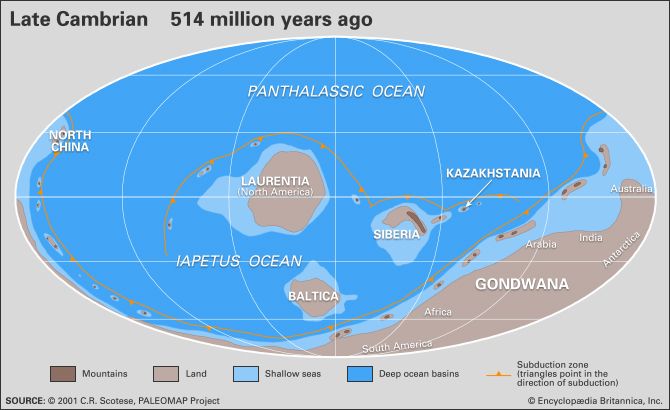
The evolutionary history of decapods is best understood through the study of the fossil record and comparative anatomy. While many features of crustacean organization were established by the Cambrian Period, the decapod lineage appears later in the geological record.1
Key milestones in their evolutionary timeline include:
- Devonian Period: The appearance of Palaeopalaemon, a primitive, shrimplike decapod.1
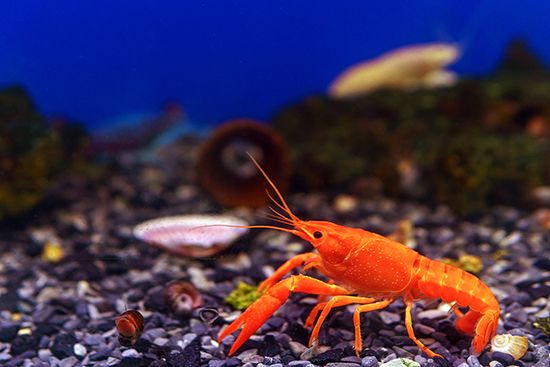
- Late Permian Period: The emergence of crayfish.1
- Jurassic Period: The arrival of anomurans, which include hermit crabs.1
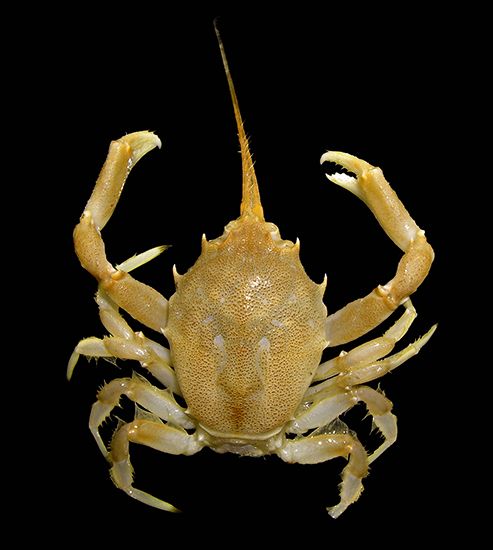
- Cretaceous Period: The emergence of true crabs (infraorder Brachyura), which are considered a pinnacle of crustacean evolution.1
Over time, decapods have diversified into various environments, including marine, freshwater, and terrestrial habitats. Species that colonized land evolved specialized mechanisms to prevent desiccation and overheating, such as vascularized gills that function as lungs. Their body plans have also shifted, with many groups moving from elongated, shrimplike forms toward the flattened, short-tailed bodies characteristic of modern crabs.23
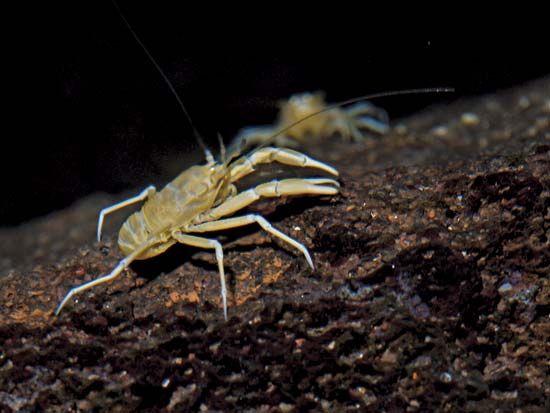
How do decapods reproduce and what is their life cycle like?
Decapods exhibit diverse reproductive strategies and life cycles, generally characterized by separate sexes, though some species exhibit simultaneous hermaphroditism or can change sex during their lifetime, such as the shrimp Pandalus montagui.51
Reproduction
In most decapods, fertilization is external, though internal fertilization occurs in some species. Mating activity is often linked to the molting cycle; males typically copulate when their exoskeletons are fully hardened, while females may only be receptive immediately after molting when their shells are soft. Males often possess modified abdominal appendages, known as gonopods, used to transfer sperm or spermatophores to the female. Once fertilized, most female decapods carry their eggs cemented to their abdominal appendages until they hatch.156
Life Cycle
Most decapods hatch as larvae, typically in the zoea stage, which may be heavily ornamented with spines. While some species pass through earlier larval stages like the nauplius or protozoea, many bypass these stages entirely. For instance, freshwater crabs and crayfish often hatch as miniature versions of the adult, skipping free-living larval stages. For those that do undergo metamorphosis, a crab zoea eventually transitions into a megalops, which resembles a small crab with an extended tail.51
What are the main characteristics that define decapod crustaceans?
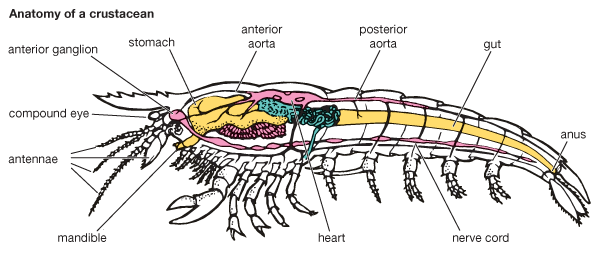
Decapod crustaceans, a group that includes shrimp, lobsters, crayfish, and crabs, are defined by several key anatomical and physiological characteristics1:
- Ten Legs: The name “decapod” is derived from the Greek for “10 legs,” referring to the five pairs of thoracic legs, or pereiopods, used for walking or crawling.1
- Body Structure: They possess three distinct body regions: the head, thorax, and abdomen. The head and thorax are fused into a single unit called the cephalothorax, which is covered by a protective shield known as the carapace.1
- Appendages: Decapods have specialized appendages for various functions. They feature three sets of maxillipeds (mouthparts) and antennae used for sensory tasks like touch, balance, and olfaction. Many species also possess chelae, or pincers, on their thoracic limbs.17
- Respiration: Gills are attached to the thoracic body wall and are protected by the carapace.1
- Diversity: They exhibit two primary body forms: the elongated, shrimplike “macrurous” type and the flattened, crablike “brachyurous” type.1
How do decapods differ from other types of crustaceans?
Decapods (order Decapoda) are a specialized group within the class Malacostraca that differ from other crustaceans through several distinct anatomical and developmental features:
- Thoracic Legs: As their name implies, decapods are defined by the presence of five pairs of thoracic legs, or pereiopods, used for walking or crawling.1
- Body Plan: Decapods follow a consistent malacostracan body plan consisting of a head, an eight-segmented thorax, and a seven-segmented abdomen (though typically only six segments are visible in adults). The head and thorax are fused into a cephalothorax, which is covered by a protective carapace that also extends over the gills.51
- Reproductive Strategy: Unlike many other crustaceans that release eggs freely into the water, most female decapods carry their fertilized eggs cemented to their abdominal appendages until they hatch.18
- Larval Development: While the nauplius is the most widespread and typical crustacean larva, most decapods bypass this stage and hatch as zoeae, which are often heavily ornamented with spines as zoeae, which are often heavily ornamented with spines.18
Sources
- decapod — Encyclopædia Britannica
- crustacean - Evolution and paleontology — Encyclopædia Britannica
- malacostracan - Critical appraisal — Encyclopædia Britannica
- crab — Encyclopædia Britannica
- crustacean - Reproduction and life cycles — Encyclopædia Britannica
- Animal reproductive system - Arthropods — Encyclopædia Britannica
- crustacean - Appendages — Encyclopædia Britannica
- crustacean - General features — Encyclopædia Britannica
Published on · 3 min read