Desert Tarantula
The desert tarantula (Aphonopelma chalcodes) is a large, hairy spider native to the arid regions of the southwestern United States and northern Mexico.…
What is desert tarantula?
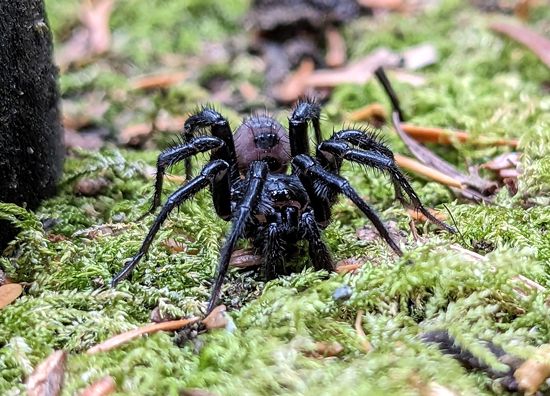
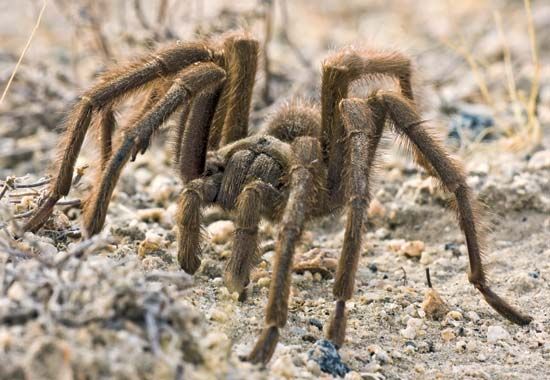
The desert tarantula (Aphonopelma chalcodes) is a large, hairy spider native to the arid regions of the southwestern United States and northern Mexico. Characterized by its chocolate brown or gray coloration and golden hairs, this species can reach a body length of up to 7 cm (2.75 inches).12
As a reclusive, nocturnal ambush predator, it spends much of its life in a burrow, which it may occupy for decades. While it possesses venom and can deliver a painful bite, it is not considered dangerous to humans and is generally not easily provoked, leading some to keep them as docile pets. Like other tarantulas, it is a mygalomorph, meaning its fangs move forward and down rather than sideways. Females are long-lived, sometimes surviving for more than 20 years, whereas males typically die within a few months of reaching sexual maturity.12
What are urticating hairs and how do tarantulas use them for defense?
Urticating hairs are specialized, stinging bristles found on many New World tarantula species. These harpoon-shaped structures serve as a primary defensive mechanism against potential predators.
When a tarantula feels threatened, it can use its hind legs to rub against its abdomen, effectively launching a cloud of these hairs into the air. Once airborne, the barbs can cause significant irritation to the eyes, face, and respiratory passages of a predator for several days. In some cases, these hairs are even capable of killing smaller creatures, such as mice.
In contrast, many tarantulas native to Africa and Asia—often referred to as Old World species—lack these urticating hairs. Instead of relying on a chemical or physical cloud of bristles, these spiders typically depend on speed, aggressive threat displays, and often more potent venom to defend themselves.
How do tarantula hawk wasps interact with desert tarantulas?
The interaction between tarantula hawk wasps and desert tarantulas is a predatory relationship where the wasp seeks the spider as a living food source for its offspring.34
To secure a host, the female wasp often hunts for spiders that have ventured out of their burrows, such as males searching for mates. If a spider is inside its burrow, the wasp may tap her feet on the silk webbing at the entrance to mimic the vibrations of potential prey, luring the tarantula out. Once the spider is exposed, the wasp engages in a dangerous struggle, maneuvering to inject a potent venom into the nerve ganglia on the underside of the spider’s thorax.45
This sting does not kill the tarantula but renders it completely paralyzed. The wasp then drags the immobile spider into a burrow, where she deposits a single egg on its body and seals the entrance. When the egg hatches, the wasp larva feeds on the still-living spider, eventually consuming its vital organs before pupating. To avoid this fate, desert tarantulas remain in their burrows during the day, covering the entrance with silk to hide from these predators.345
What are the main differences between New World and Old World tarantulas?
The primary distinction between New World and Old World tarantulas lies in their defensive strategies and geographic distribution.
Defensive Mechanisms
- New World Tarantulas: These species, found primarily in the Americas, are characterized by the presence of urticating hairs on their abdomens. When threatened, they use their hind legs to flick these barbed, stinging hairs toward a potential predator. The hairs act as a significant irritant to the eyes, skin, and respiratory system.
- Old World Tarantulas: Native to Africa, Asia, Australia, and New Guinea, these spiders lack urticating hairs. Instead, they rely on speed, aggressive threat displays, and often more potent venom to defend themselves against threats.
Geographic Distribution
- New World: These species are native to the tropical Americas, Mexico, and the southwestern United States. Popular examples kept as pets include the Mexican red-kneed tarantula and the Chilean rose tarantula.
- Old World: These species are found across Africa, Asia, and Oceania. Notable examples include the king baboon spider of Africa and various bird-eating spiders found in Australia and New Guinea.
Sources
- desert tarantula — Encyclopædia Britannica
- tarantula — Encyclopædia Britannica
- spider wasp — Encyclopædia Britannica
- tarantula hawk — Encyclopædia Britannica
- tarantula hawk — Merriam-Webster
Published on · 3 min read