False Scorpion
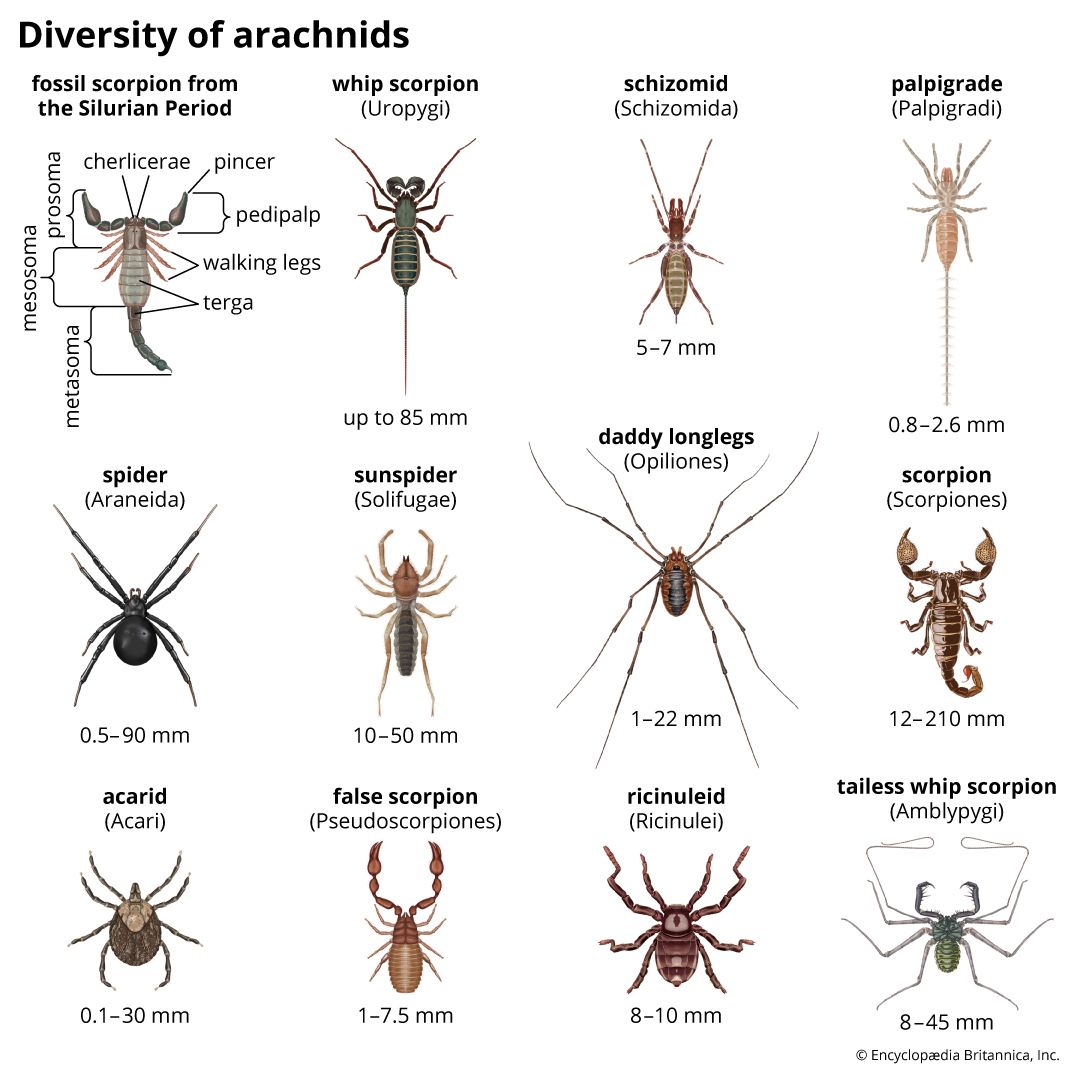
A false scorpion, also known as a pseudoscorpion, is any of the approximately 1,700 species belonging to the order Pseudoscorpiones within the arachnid class…
What is false scorpion?
A false scorpion, also known as a pseudoscorpion, is any of the approximately 1,700 species belonging to the order Pseudoscorpiones within the arachnid class Arthropoda.12
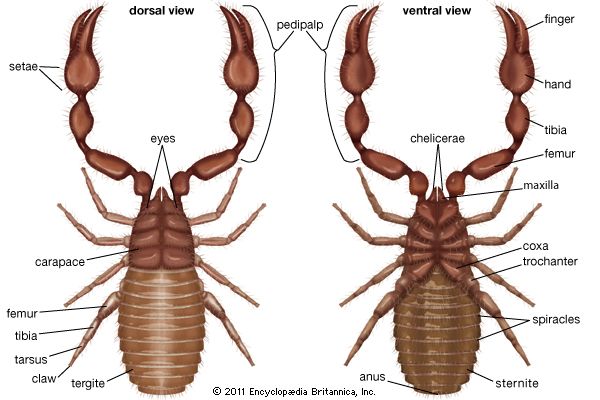
While they resemble true scorpions, they are significantly smaller—typically measuring only 1 to 7.5 mm in length—and lack a tail and stinger. Their primary features include:12
- Appendages: They possess venomous pincers on their pedipalps (second pair of appendages) and silk-gland openings on their chelicerae (first pair of appendages).13
- Habitat: They are found worldwide, excluding cold regions, and often live under stones or bark. Some species, such as the book scorpion (Chelifer cancroides), are commonly found in homes and libraries, where they feed on small invertebrates like book lice, carpet beetle larvae, and bedbugs.1
- Life Cycle: They produce silk for nests and brood sacs, the latter of which are attached to the female’s genitalia to nourish developing embryos.14
How do pseudoscorpions use silk if they do not spin webs?
Although pseudoscorpions produce silk, they do not use it to spin webs for catching prey like spiders do. Instead, they utilize their silk-producing capabilities for protective and reproductive purposes.
The silk is secreted through openings located on the chelicerae, which are the first pair of appendages on the animal’s body. Pseudoscorpions use this silk primarily to construct specialized structures, including:67
- Nests: They build silken nests to provide shelter during periods of molting (shedding their skin) and hibernation.7
- Brood Sacs: They create silken chambers to protect and brood their young.7
Unlike spiders, which possess specialized abdominal spinnerets for complex web-weaving, the silk glands of a pseudoscorpion are situated on a movable projection of the chelicerae, reflecting a different evolutionary approach to using this material.6
What are the main differences between a true scorpion and a pseudoscorpion?
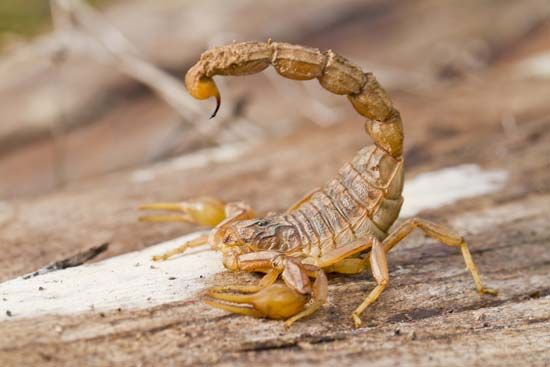
While true scorpions and pseudoscorpions (false scorpions) both belong to the class Arachnida, they are distinct orders with significant physical and biological differences.18
Key Differences
Feature
True Scorpion
Pseudoscorpion
Size
Relatively large (typically 1.4–21 cm)
Tiny (typically 1–7.5 mm)
Tail & Stinger
Possesses a distinct, mobile tail ending in a stinger
Tailless; lacks a stinger
Chelicerae
Pincerlike and 3-jointed
Bear silk-gland openings
Silk Production
None
Produces silk via a spinneret on the chelicerae
Venom Location
Poison glands in the tail/stinger
Venomous pincers on the pedipalps
Additional Distinctions
- Reproduction: True scorpions are generally ovoviviparous (giving birth to live young), whereas pseudoscorpions use silken brood sacs to protect their developing embryos.18
- Habitat: While both are found in various environments, pseudoscorpions are often found in micro-habitats like under bark, in books, or in old chests, whereas true scorpions are more commonly associated with tropical, subtropical, or arid desert regions.189
- Venom: While the venom of some true scorpions is highly toxic to humans, the toxicity of pseudoscorpion venom is not known, and they are generally considered harmless to humans due to their small size.25
Why are pseudoscorpions considered beneficial to have in a home or library?
Pseudoscorpions, particularly the species known as the book scorpion (Chelifer cancroides), are considered beneficial houseguests because they act as natural pest controllers. These tiny arachnids are harmless to humans but highly effective at reducing populations of common household pests.12
By preying on small invertebrates, they help keep homes and libraries free of organisms that can damage paper, fabrics, and other materials. Their diet typically includes:
- Book lice: Small insects that often infest damp books and papers.1
- Carpet beetle larvae: Pests known for damaging carpets and upholstery.1
- Clothes moths: Insects that feed on natural fibers.1
- Bedbugs: A common household nuisance.1
Because they feed on these tiny insects and mites, their presence is generally viewed as a helpful form of biological pest management rather than an infestation.110
Sources
- false scorpion — Encyclopædia Britannica
- pseudoscorpion — Merriam-Webster
- arachnid - Reproduction and life cycle — Encyclopædia Britannica
- scorpion - Internal features — Encyclopædia Britannica
- arachnid - External features — Encyclopædia Britannica
- spider - Silk — Encyclopædia Britannica
- arachnid - Glands and toxins — Encyclopædia Britannica
- arachnid - Annotated classification — Encyclopædia Britannica
- scorpion - Size range and diversity of structure — Encyclopædia Britannica
- book scorpion — Merriam-Webster
Published on · 3 min read