Dewberry
The provided information does not indicate any medicinal uses for dewberries or dewberry plants. These trailing blackberries are primarily recognized for…
Are there any medicinal uses for dewberries or dewberry plants?
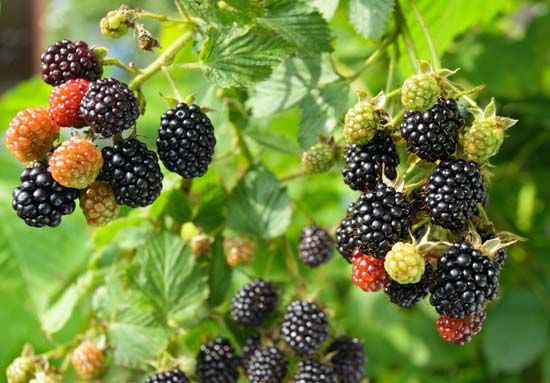
The provided information does not indicate any medicinal uses for dewberries or dewberry plants. These trailing blackberries are primarily recognized for their edible fruits, which are commonly used in cobblers, pies, and preserves.1
What species of plants produce dewberries?
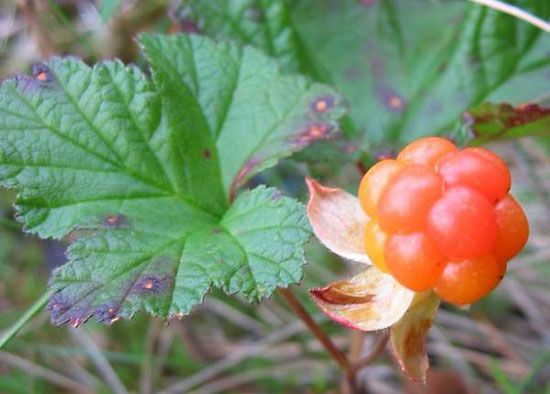
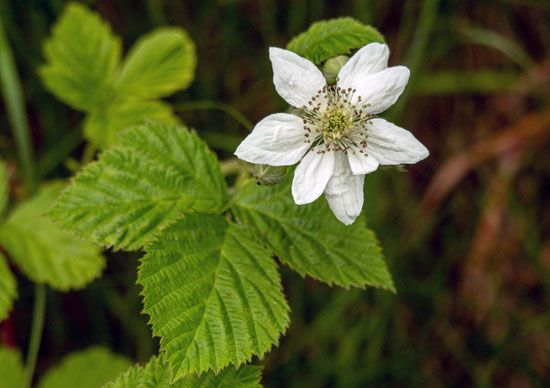
Dewberries are not a single species but refer to several trailing species of blackberries belonging to the genus Rubus within the Rosaceae family.1
In the eastern and southern United States, the most notable species that produce edible fruits include:1
- Northern dewberry (Rubus flagellaris)1
- Bristly dewberry (R. hispidus)1
- Southern dewberry (R. trivialis)1
Additionally, the European dewberry (R. caesius) is a recognized species found in northern Europe, though its blue-tinged fruit is typically considered less palatable than its North American counterparts. These plants are characterized by their low-growing, trailing habit and are often found spreading through vegetative growth.1
How do dewberry plants propagate and spread in the wild?
Dewberry plants propagate and spread in the wild primarily through vegetative growth. Their arching stems, which grow low to the ground, frequently touch the soil and sprout roots at the tips. This process allows the perennial plants to expand their reach and colonize new areas effectively.1
Because of this ability to spread rapidly, dewberries are often considered weeds in many environments, despite their production of edible fruits.1
Where do dewberry plants typically grow and what are their preferred environmental conditions?
Dewberry plants are widely distributed across North America and northern Europe. As low-growing perennials, they are highly adaptable and are frequently found in various habitats where they can spread through vegetative growth.1
While specific soil or light requirements are not detailed in the provided information, their classification as weeds in many areas suggests they are hardy, opportunistic plants capable of colonizing diverse environments effectively. They are often found in regions where they can utilize their trailing, arching stems to root at the tips, allowing them to establish themselves across open ground.1
Sources
- dewberry — Encyclopædia Britannica
- southern dewberry — Merriam-Webster
Published on · 1 min read