Bramble
A bramble refers to any plant within the genus Rubus, which belongs to the rose family (Rosaceae). These plants are widely recognized for their prickly…
What is a bramble plant and what are its main characteristics?
A bramble refers to any plant within the genus Rubus, which belongs to the rose family (Rosaceae). These plants are widely recognized for their prickly, canelike stems and their production of edible fruits, such as raspberries and blackberries.1
Main Characteristics
- Growth Habit: Brambles are typically erect or trailing shrubs, though some species are herbaceous. They often spread vegetatively; for example, their stems may root upon contact with the soil.12
- Physical Defenses: Many species are armed with prickles or hairs along their branches.1
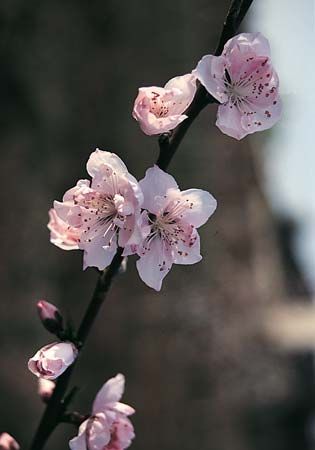
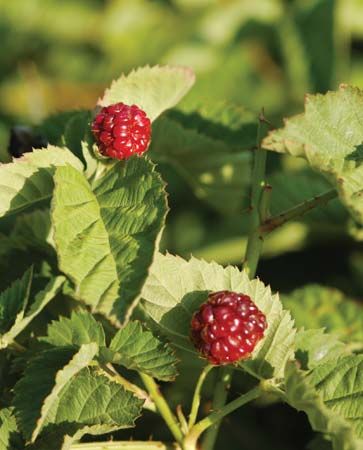
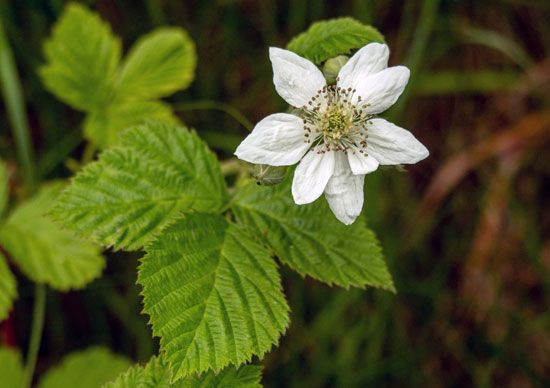
- Foliage and Flowers: The leaves can be simple or compound and are often toothed or lobed. They produce five-petaled flowers that are usually white or pink.1
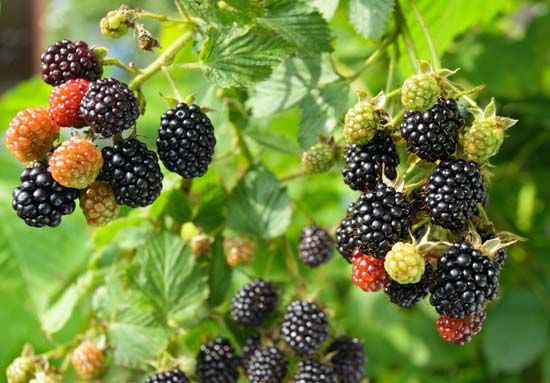
- Fruit: The fruit is technically an aggregate of druplets, which are small, individual drupes each containing a single seed.13
- Distribution: They occur naturally throughout the world, particularly in temperate regions, and are frequently cultivated for their fruit or used in hybrid breeding for their fruit or used in hybrid breeding.1
Which plant species are commonly referred to as brambles?
The term “bramble” refers to any plant within the genus Rubus, a large group of flowering plants in the Rosaceae (rose) family. Because these species hybridize freely, they are often difficult to classify, but they are widely recognized for their prickly, canelike stems and aggregate fruits.15
Common species and types referred to as brambles include:
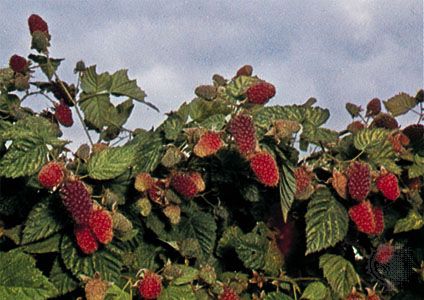
- Raspberries: Economically significant crops, including red varieties (Rubus idaeus and R. strigosus) and black raspberries (R. occidentalis and R. leucodermis).2
- Blackberries: Well-known Rubus species characterized by their aggregate fruit.15
- Loganberries and Boysenberries: Popular hybrids cultivated for their fruit.1
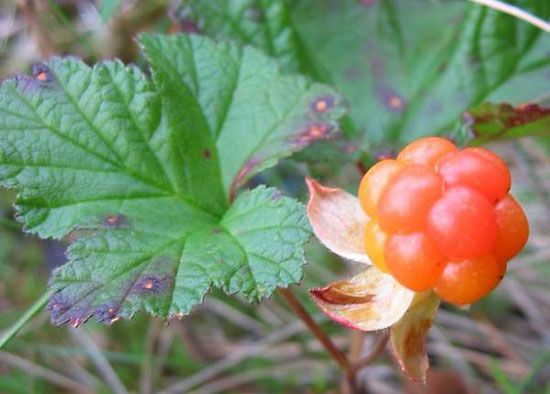
- Stone Bramble (Rubus saxatilis): A specific European trailing species known for its scarlet fruit.6
What are some modern culinary uses of bramble fruits beyond traditional jams and pies?
Beyond traditional jams and pies, bramble fruits—such as raspberries and blackberries—are increasingly utilized in diverse modern culinary applications. While they are frequently enjoyed fresh, often served with cream or ice cream, their distinct flavors and textures allow for more creative uses:
- Dessert Enhancements: Beyond simple pastries, these fruits are popular as sophisticated toppings for cheesecakes and are essential ingredients in refined sorbets and frozen desserts.78
- Flavoring and Beverages: Bramble fruits are commonly used to provide natural flavoring for various liqueurs, adding depth and complexity to spirits.8
- Savory Pairings: In professional cuisine, the tartness of these fruits is leveraged to add “punch” to savory sauces, particularly those served alongside roasted meats like duck fillets.7
- Compotes and Syrups: They are frequently prepared as compotes, which can be used to balance blander ingredients or as a versatile accompaniment to both sweet and savory dishes.7
How do bramble plants use vegetative reproduction to spread?
Bramble plants (genus Rubus) utilize vegetative reproduction as a natural and effective strategy to spread and colonize new areas. This asexual process allows them to produce genetically identical offspring without the need for seeds.13
The primary methods by which brambles spread vegetatively include:
- Rooting of Stems: Many trailing bramble species spread when their drooping, canelike stems come into contact with the soil. Once the tips touch the ground, they naturally develop roots and eventually send up new shoots, a process often referred to as layering.19
- Suckers: Certain Rubus species, such as raspberries, frequently propagate through the development of suckers. These are adventitious shoots that rise directly from the plant’s root system, allowing the colony to expand outward from the parent plant.1
By bypassing the often lengthy or moisture-dependent requirements of sexual reproduction, these vegetative strategies enable brambles to rapidly increase their numbers, which contributes to their success as invasive species in many regions.103
Sources
- bramble — Encyclopædia Britannica
- Raspberry — Encyclopædia Britannica
- Vegetative reproduction — Encyclopædia Britannica
- bramblebush — Merriam-Webster
- rubus — Merriam-Webster
- stone bramble — Merriam-Webster
- Black currant — Encyclopædia Britannica
- Blackberry — Encyclopædia Britannica
- Plant - Asexual reproduction — Encyclopædia Britannica
- layering — Encyclopædia Britannica
- horticulture - Vegetative propagation — Encyclopædia Britannica
- Plant reproductive system - Variations in reproductive cycles — Encyclopædia Britannica
- Rosales - Evolution — Encyclopædia Britannica
Published on · 3 min read