Pear
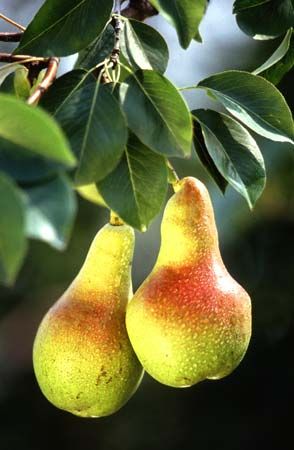
A pear is a pome fruit produced by trees and shrubs in the genus Pyrus, which belongs to the rose family (Rosaceae).
What is Pear?
A pear is a pome fruit produced by trees and shrubs in the genus Pyrus, which belongs to the rose family (Rosaceae).12
Characteristics
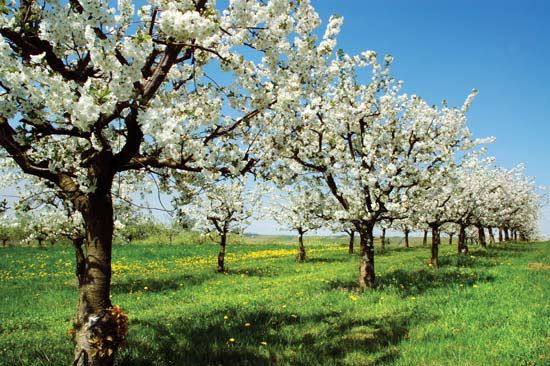
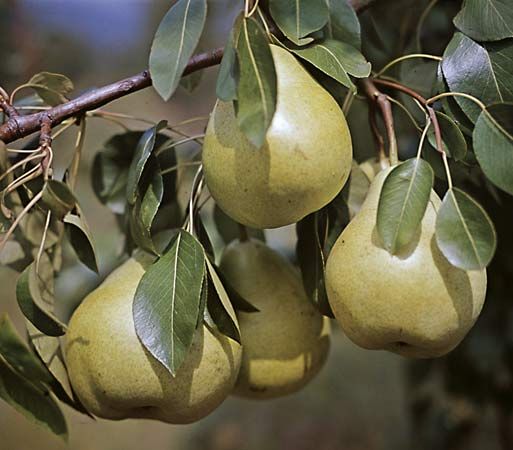
Common pears (Pyrus communis) are among the world’s most important fruit trees, cultivated widely in temperate zones. The fruit is typically elongate, tapering from a broad base toward the stem, and is known for its soft, sweet flesh containing “grit” or stone cells. While often eaten fresh or canned, pears are also used to produce perry, an alcoholic beverage.12
Cultivation and History
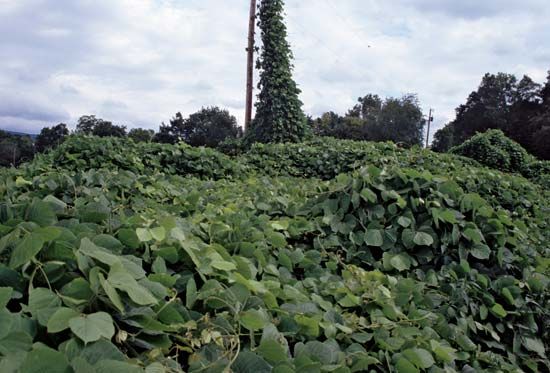
Pears have been cultivated since ancient times and were introduced to the New World by European settlers. They are commonly propagated through grafting and are susceptible to various diseases, such as fire blight. Popular varieties include the Bartlett (Williams’ Bon Chrétien), Anjou, and the Asian pear (P. pyrifolia). Some species, such as the Callery pear, are considered invasive species in certain regions.1
What are stone cells and why do they give pears their texture?
Stone cells, also known as sclereids, are a type of sclerenchyma cell found in various plant tissues. These cells are characterized by their rigid, nonstretchable nature, which results from heavily thickened secondary walls containing lignin. In their mature state, these cells are typically dead.3
In pears, these stone cells are distributed throughout the fruit’s flesh. Because they are hard and do not break down like the surrounding softer tissue, they create the distinct “gritty” texture often associated with the fruit. While sclereids are extremely variable in shape and can be found in many parts of a plant—including the bark, stems, and the hard shells of nuts—their presence within the edible portion of the pear is a defining physical characteristic that distinguishes the fruit’s texture from that of an apple.31

How do Asian pears differ from common European varieties?
Asian pears and common European pears differ primarily in their physical characteristics and texture. While common European pears (Pyrus communis) are typically elongate, tapering from a broad base toward the stem, Asian pears (P. pyrifolia) generally resemble an apple in shape.51
The flesh of the Asian pear is notably crisp and juicy. In contrast, common European pears are known for having a softer texture, which is distinguished by the presence of hard cells in the flesh known as grit or stone cells. Additionally, while European pears often feature a classic pear-shaped profile, Asian pears typically exhibit yellow, brown, or green skin.51
What are some other common fruits in the rose family?
The Rosaceae family, commonly known as the rose family, includes a wide variety of economically important fruit-bearing plants. These are often categorized by their fruit type, such as drupes (stone fruits), pomes, or aggregate fruits.67
Common fruits in the rose family include:
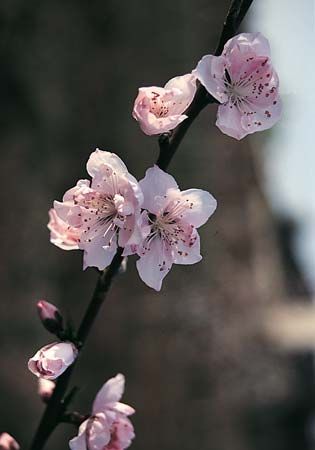
- Stone Fruits (Genus Prunus): These include cherries, peaches, apricots, nectarines, plums, and almonds.89
- Pomes: This group features apples, pears, quinces, loquats, and medlars.87
- Berries and Aggregates (Genus Rubus and Fragaria): This category includes blackberries, raspberries, loganberries, dewberries, boysenberries, cloudberries, and strawberries.897
Beyond these common crops, the family also includes wild fruits such as hawthorns, mountain ashes, and serviceberries, which serve as important food sources for wildlife.89
Sources
- Pear — Encyclopædia Britannica
- pear — Merriam-Webster
- Sclerenchyma — Encyclopædia Britannica
- sclereid — Merriam-Webster
- Asian pear — Merriam-Webster
- Rosales - Fruit species — Encyclopædia Britannica
- Rosaceae — Encyclopædia Britannica
- list of economically important members of the family Rosaceae — Encyclopædia Britannica
- list of plants in the family Rosaceae — Encyclopædia Britannica
Published on · 3 min read