Dill
Dill (Anethum graveolens) is an annual or biennial herb belonging to the parsley family. It is characterized by its aromatic foliage and small, dry…
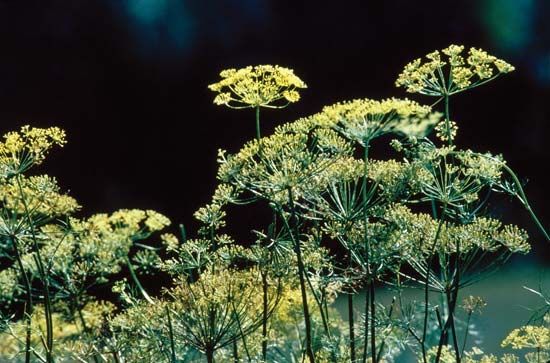
What is dill and where does it originate from?
Dill (Anethum graveolens) is an annual or biennial herb belonging to the parsley family. It is characterized by its aromatic foliage and small, dry fruits—often mistaken for seeds—which are widely used to season foods such as soups, salads, and pickles.12
The plant is native to the Mediterranean region and southeastern Europe. While it originated in these areas, it is now cultivated extensively across India, North America, and throughout Europe.1
What are the main culinary uses of dill in different cuisines?
Dill (Anethum graveolens) is a versatile herb valued for its warm, slightly sharp flavor, which is often compared to caraway. The entire plant is aromatic, with its leaves, small stems, and immature flower umbels used either fresh or dried to enhance a variety of dishes.1
In global culinary traditions, dill is particularly prominent in the cuisines of Eastern Europe and Scandinavia. Its primary culinary applications include:1
- Pickling: It is perhaps most famous as a key ingredient in flavoring pickles.12
- Seasoning: It is frequently used to add flavor to soups, salads, and sauces.1
- Proteins and Fillings: The herb is a popular choice for seasoning fish and various sandwich fillings.1
Beyond its culinary uses, the plant’s seeds and seed oil contain compounds that have historically been used for their carminative properties in treating flatulent colic.1
How does dill compare to other herbs in terms of flavor and aroma?
Dill (Anethum graveolens) is distinguished by its warm, slightly sharp flavor profile, which is frequently compared to that of caraway. As an aromatic member of the parsley family, the entire plant—including its leaves, stems, and immature flower umbels—contributes to its characteristic scent and taste.1
The plant’s distinct aromatic quality is largely attributed to its essential oil content, which typically measures around 3 percent. The principal component of this oil is carvone, a compound that also plays a significant role in the flavor profile of other aromatic herbs and spices. While many herbs in the carrot family are used for their foliage or seeds, dill is unique in that both its feathery leaves and its small, dry fruits (often referred to as seeds) are widely utilized to provide a consistent, pungent flavor across various culinary applications.12
What parts of the dill plant are used in cooking and for what purposes?
The entire dill plant (Anethum graveolens) is aromatic, and several of its parts are utilized in culinary practices to provide a warm, slightly sharp flavor reminiscent of caraway.1
The specific parts used and their purposes include:
- Leaves and Small Stems: These are used either fresh or dried to flavor a variety of dishes, including soups, salads, sauces, fish, and sandwich fillings.1
- Immature Flower Umbels: These are also used fresh or dried, particularly for flavoring pickles.1
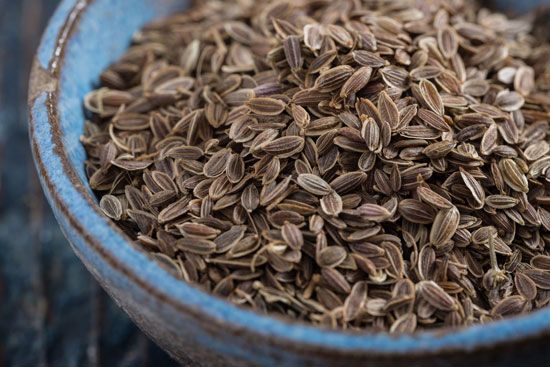
- Dry Fruits (Seeds): Often mistaken for seeds, these small, dry fruits are used for seasoning. Additionally, the whole seeds and the seed oil are valued for their carminative properties, historically used to treat flatulent colic.1
Dill is especially prominent in the cuisines of Scandinavia and eastern Europe, where its versatility as a seasoning makes it a staple ingredient.1
Sources
- dill — Encyclopædia Britannica
- dill — Merriam-Webster
Published on · 3 min read