Diospyros
Sorry, the Britannica knowledge base does not contain this information.
What is the etymology of the name ‘Diospyros’ and what does it signify?
Sorry, the Britannica knowledge base does not contain this information.
How has the wood from Diospyros trees been used historically and in modern times?
The wood from trees in the genus Diospyros, widely known as ebony, has been prized for centuries due to its exceptional hardness, durability, and ability to take a high polish.12
Historical Significance
Historically, the dense, dark heartwood was highly valued by ancient civilizations. Kings in India utilized the wood to craft sceptres and religious images. Due to a historical belief that the material possessed an antagonism to poison, it was also frequently fashioned into drinking cups. The wood was significant enough in antiquity that Herodotus recorded the Ethiopians sending 200 logs of ebony as tribute to Persia every three years.2
Modern and Traditional Applications
In both traditional and modern contexts, Diospyros timber remains a staple for fine craftsmanship, including:
- Cabinetwork and Inlaying: Its aesthetic appeal and structural integrity make it ideal for high-end furniture and decorative veneers.12
- Musical Instruments: It is commonly used for components such as piano keys.12
- Utility Items: The wood is frequently used for knife handles and various turned articles.12
Specific species, such as D. quaesita, produce calamander, a hazel-brown wood prized for its unique black striping.2

What are the main characteristics of plants in the Diospyros genus?
The genus Diospyros comprises approximately 500 species of trees and shrubs within the family Ebenaceae, primarily native to tropical regions.1
Physical Characteristics
- Growth Habit: Members can be either deciduous or evergreen trees or shrubs.1
- Foliage: The leaves are typically toothless and arranged alternately along the twigs.1
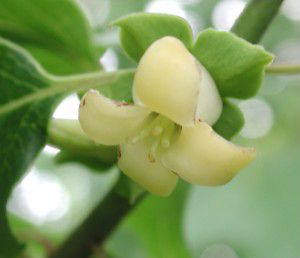
- Reproduction: These plants are generally dioecious, meaning male and female flowers are produced on separate individual plants.1
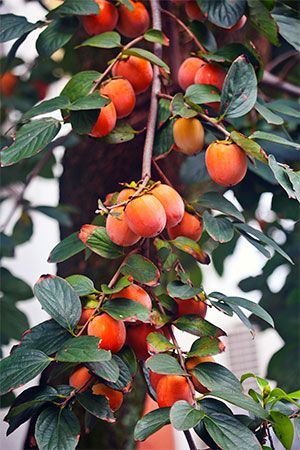
- Fruit: The fruit is a large, juicy berry containing between 1 and 10 seeds. Notably, the sepals of the female flowers often persist on the fruit after it has developed.1
Economic Importance
The genus is economically significant for two primary reasons:
- Timber: Several species are valued for their ebony, a dense, dark, and durable wood used in fine cabinetry, musical instruments, and decorative items.1
- Edible Fruit: Many species are cultivated for their fruit, most notably persimmons such as the American persimmon and the Japanese persimmon, as well as the black sapote and date plum.1
How many species are included in the Diospyros genus, and where are they primarily found?
The Diospyros genus includes approximately 500 species of trees and shrubs. These plants are primarily native to tropical regions around the world.1
Sources
- Diospyros — Encyclopædia Britannica
- ebony — Encyclopædia Britannica
Published on · 2 min read