Dirk Hartog Island
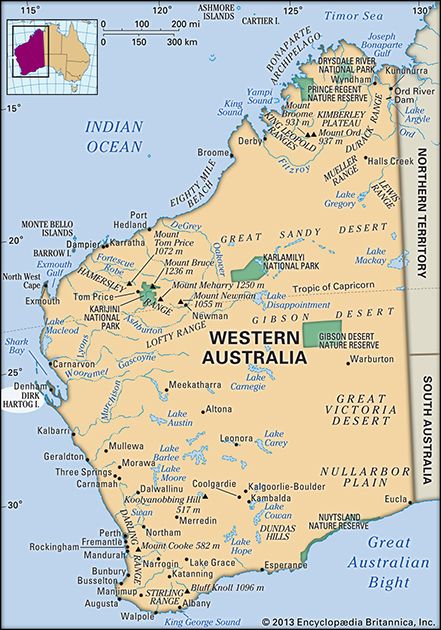
Dirk Hartog Island is the largest island in Western Australia, located in the Indian Ocean near Shark Bay. Measuring approximately 239 square miles, the…
What is Dirk Hartog Island?
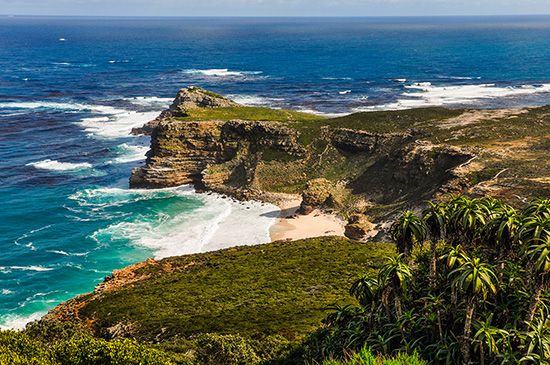
Dirk Hartog Island is the largest island in Western Australia, located in the Indian Ocean near Shark Bay. Measuring approximately 239 square miles, the island features dramatic limestone cliffs on its western edge, which includes Australia’s westernmost point, and descends into sand dunes to the east.1
The island is named after Dirck Hartog, a Dutch merchant captain who made the first recorded exploration of the western Australian coast in 1616. Upon landing, Hartog nailed an inscribed pewter plate to a post at the island’s northern extremity, now known as Cape Inscription, to document his visit. This site remains historically significant, as the original plate was later recovered by explorer Willem de Vlamingh in 1696 and is currently housed in the Rijksmuseum. Today, the island supports a sheep station and serves as a notable landmark in maritime history.12
Who was Willem de Vlamingh and why did he visit the island?
Willem de Vlamingh was a Dutch explorer who visited Dirk Hartog Island in 1696. His primary purpose for visiting the island was to conduct exploration, during which he discovered the pewter plate left by Dirck Hartog in 1616.2
Upon finding Hartog’s original plate at Cape Inscription, Vlamingh replaced it with a new, inscribed dish to document his own arrival. He then sent Hartog’s original plate back to Amsterdam, where it is currently preserved in the Rijksmuseum.2
What are the ‘roaring forties’ and how did they affect early navigation?
The roaring forties are strong, persistent westerly winds found in the Southern Hemisphere between latitudes 40° and 50° south. These winds are characterized by their gale-force strength, which occurs throughout the year.3
In early navigation, these winds were strategically utilized by sailors to significantly reduce travel time between the Cape of Good Hope and Java. By catching these powerful westerlies, ships could accelerate their journey by several months. However, this route also posed significant navigational risks; for instance, the Dutch merchant captain Dirck Hartog was carried too far east by these winds in 1616, leading to his accidental discovery of the western Australian coastline near Shark Bay.2
What is the significance of the Dutch East India Company in Australian history?
The Dutch East India Company (VOC) played a pivotal role in the early European exploration of Australia, primarily driven by its search for new commercial opportunities in the 17th century.42
Exploration and Mapping
The company’s officials sponsored numerous voyages that significantly expanded European knowledge of the Australian continent:
- Early Sightings: Starting in 1611, ships sailing from the Cape of Good Hope to Java often drifted too far east, leading to accidental encounters with the Australian coast. Dirck Hartog made the first recorded exploration of the western coast in 1616, naming the region Eendrachtsland.45
- Systematic Surveys: In 1642, Governor-General Anthony van Diemen commissioned Abel Tasman to explore the southern seas. Tasman’s voyages resulted in the discovery of Van Diemen’s Land (Tasmania) and New Zealand, while subsequent expeditions mapped much of the northern and western coastlines, which the Dutch collectively named New Holland.42
Commercial Impact
Despite these extensive discoveries, the company ultimately showed little interest in colonization. After evaluating the commercial potential of the newly sighted lands, the company concluded that they lacked the resources or trade opportunities to warrant further investment or settlement.2
Sources
- Dirk Hartog Island — Encyclopædia Britannica
- Dirck Hartog — Encyclopædia Britannica
- Roaring forties — Encyclopædia Britannica
- Australia - The Dutch — Encyclopædia Britannica
- Western colonialism - Eastern pursuits — Encyclopædia Britannica
Published on · 2 min read