Shark Bay
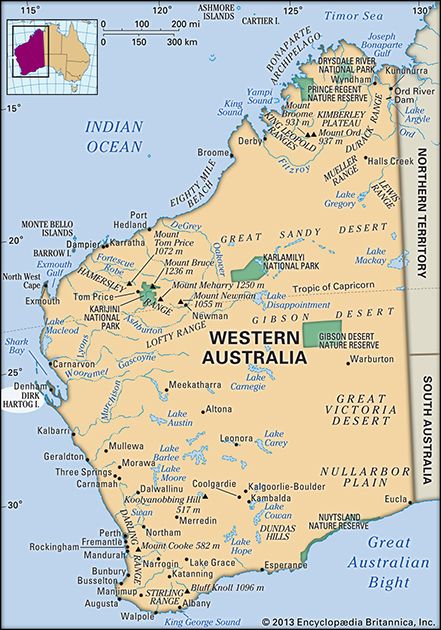
Shark Bay is an inlet of the Indian Ocean located in Western Australia. Sheltered by islands such as Dirk Hartog and bisected by the Peron Peninsula, the…
What is Shark Bay?
Shark Bay is an inlet of the Indian Ocean located in Western Australia. Sheltered by islands such as Dirk Hartog and bisected by the Peron Peninsula, the area was named by William Dampier in 1699 for its abundant shark population.1
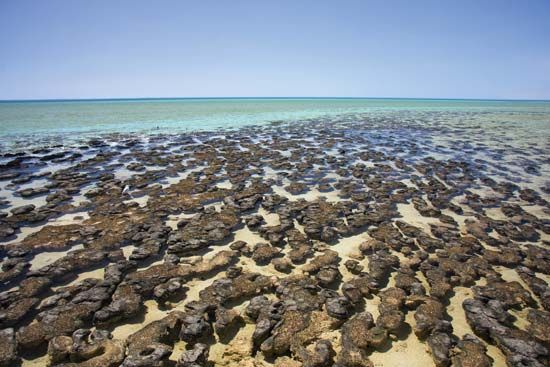
The bay is a significant ecological site, designated as a World Heritage site in 1991. It is particularly famous for hosting the world’s most abundant population of stromatolites—layered, limestone-like structures formed by blue-green algae. These organisms thrive in the bay’s shallow, hypersaline waters, which prevent predators from consuming the algal mats. Economically, the region supports industries including fishing, salt extraction, and sheep grazing.12
How do stromatolites provide clues about early life on Earth?
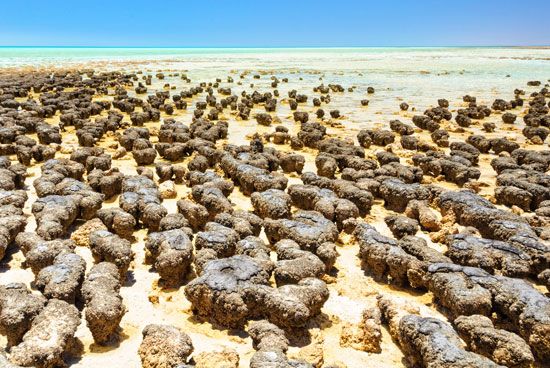
Stromatolites serve as vital windows into the history of early life, providing some of the oldest evidence of biological activity on Earth. These layered, sedimentary structures, formed by communities of microorganisms—primarily blue-green algae—date back as far as 3.5 billion years.234
They offer several key insights into the evolution of life:
- Evidence of Photosynthesis: The presence of stromatolites in 3.5-billion-year-old rocks confirms that complex, integrated biological communities capable of photosynthesis were already established by that time.34
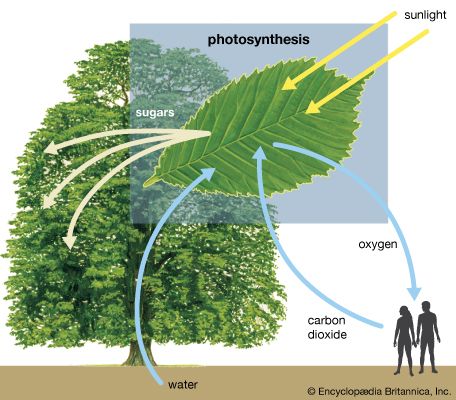
- Atmospheric Transformation: By releasing oxygen as a byproduct of photosynthesis, these early organisms fundamentally altered Earth’s chemistry. Because early life lacked oxygen-mediating enzymes, this oxygen was initially absorbed by abundant dissolved iron in the oceans, creating massive iron formations before eventually accumulating in the atmosphere.4
- Prokaryotic Resilience: These structures demonstrate that early prokaryotes were robust enough to survive in an environment lacking an ozone layer, enduring high levels of ultraviolet radiation until the rise of eukaryotes billions of years later.3
What makes the marine environment in Shark Bay so salty?
The high salinity of the marine environment in Shark Bay is primarily driven by the region’s unique geography and climate. The bay is characterized by shallow, restricted waters that limit the exchange with the open Indian Ocean.
In this arid environment, high rates of evaporation significantly exceed the influx of fresh water. Because the bay is partially enclosed by islands and peninsulas, the water remains trapped, allowing salt concentrations to increase over time. This hypersaline condition is a defining feature of the area, creating a specialized habitat that supports unique ecosystems, such as the famous stromatolites that thrive where few other organisms can survive.
Which endangered species are protected within the Shark Bay World Heritage area?
Sorry, the Britannica knowledge base does not contain this information.
Sources
- Shark Bay — Encyclopædia Britannica
- stromatolite — Encyclopædia Britannica
- Precambrian - Microfossils and stromatolites — Encyclopædia Britannica
- geologic history of Earth - Formation of the secondary atmosphere — Encyclopædia Britannica
Published on · 2 min read