Dryopithecus
Dryopithecus is an extinct genus of ape that lived during the Miocene and Pliocene epochs and is considered a generalized forerunner to modern gorillas…
What are the key physical characteristics of Dryopithecus fossils?
Dryopithecus is an extinct genus of ape that lived during the Miocene and Pliocene epochs and is considered a generalized forerunner to modern gorillas, chimpanzees, and humans. Its physical characteristics are defined by a lack of the extreme specializations seen in living hominoids.12
Key physical features include:
- Dentition: The canine teeth were larger than those found in humans but were not as strongly developed as those in other living apes.1
- Skull: Unlike modern apes, the skull of Dryopithecus lacked massive brow ridges and well-developed crests.1
- Limbs: The limbs were not excessively long, reflecting a generalized body structure rather than the specialized proportions of later primates.1
- Body Size: The genus encompassed a range of sizes, including small, medium, and large forms that reached the size of a modern gorilla.1
Overall, Dryopithecus exhibited a generalized morphology that suggests it occupied forested habitats. These fossils show further advancements in skeletal features characterizing modern hominoids when compared to earlier forms like Morotopithecus.13
What can Dryopithecus fossils tell us about the evolution of bipedalism in primates?
Dryopithecus fossils do not provide direct evidence for the evolution of bipedalism in primates. Instead, they are characterized by a generalized body structure that lacks the specialized locomotor adaptations seen in later hominins. While Dryopithecus is considered a distant Miocene forerunner to the lineage that includes humans, chimpanzees, and gorillas, it lived in forested environments and did not exhibit the skeletal traits associated with habitual terrestrial walking.45
In contrast to Dryopithecus, evidence for the emergence of bipedalism is found in other fossil taxa from the late Miocene and Pliocene epochs. For example:
- Ardipithecus ramidus (5.8–4.4 mya) displays a centrally located foramen magnum, an expanded tarsal region, and a pelvic structure with muscle-to-bone attachment sites indicative of bipedalism.21
- Oreopithecus, a late Miocene fossil, possessed a broad pelvis and vertebral column features that suggest it may have been a partial biped, though its exact evolutionary position remains a subject of scientific debate.3
- Australopithecus afarensis (3.8–2.9 mya) provides clear anatomical evidence of obligate bipedalism, including short ilia, a wide sacrum, and femoral angling, alongside features that still allowed for arboreal climbing.2
What is Dryopithecus and when did this genus of primates live?
Dryopithecus is a genus of extinct ape that serves as a representative early member of the lineage including humans, chimpanzees, and gorillas.12
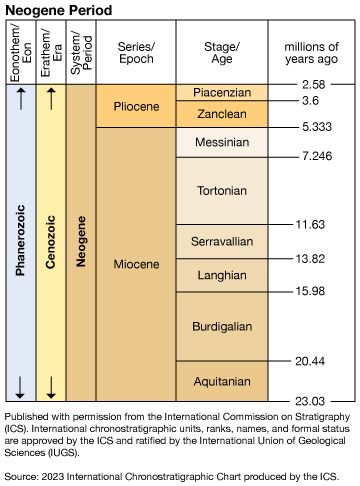
Fossils of this genus have been discovered across Europe, Africa, and Asia, and they date to the Miocene and Pliocene epochs, spanning approximately 23 to 2.6 million years ago.1
Dryopithecus is characterized by a generalized body structure, lacking many of the specialized features found in modern apes and humans. For instance, while their canine teeth were larger than those of humans, they were not as strongly developed as those of other living apes. Additionally, their skulls lacked the massive brow ridges and well-developed crests typical of modern apes, and their limbs were not excessively long. These primates likely inhabited forested environments.1
How do paleontologists reconstruct the appearance and behavior of Dryopithecus from fossil remains?
Paleontologists reconstruct the appearance and behavior of Dryopithecus by analyzing fragmentary fossil remains—primarily teeth, jaws, and skull fragments—found in Miocene and Pliocene deposits across Europe, Africa, and Asia. Because Dryopithecus is considered a generalized primate, researchers compare its skeletal morphology to both living apes and other extinct hominids to infer its physical traits and lifestyle.13
Reconstructing Appearance
- Dental Analysis: By examining the size and shape of teeth, scientists determine dietary habits. Dryopithecus possessed canine teeth that were larger than those of humans but less developed than those of modern apes, suggesting a diet likely consisting of forest vegetation.1
- Cranial Features: The absence of massive brow ridges and well-developed cranial crests—features common in modern apes—indicates that Dryopithecus had a more generalized skull structure.1
- Limb Proportions: While the fossil record for Dryopithecus is often fragmentary, researchers use the available postcranial material to note that its limbs were not excessively long, distinguishing it from specialized brachiators.1
Reconstructing Behavior
- Environmental Context: Paleontologists correlate fossil sites with geological data to determine that Dryopithecus inhabited forested areas.1
- Comparative Morphology: By applying biomechanical analyses and comparing Dryopithecus to other Miocene primates, such as Proconsul or Oreopithecus, researchers place it within the Hominidae family. This helps establish its evolutionary position as a distant forerunner to the lineage of gorillas, chimpanzees, and humans.315
Sources
- Dryopithecus — Encyclopædia Britannica
- Tertiary Period - Primates — Encyclopædia Britannica
- primate - Miocene — Encyclopædia Britannica
- human evolution - The fossil evidence — Encyclopædia Britannica
- human evolution - Background and beginnings in the Miocene — Encyclopædia Britannica
- primate - Four types of locomotion — Encyclopædia Britannica
- Primatology — Encyclopædia Britannica
- human evolution - Reduction in tooth size — Encyclopædia Britannica
Published on · 3 min read