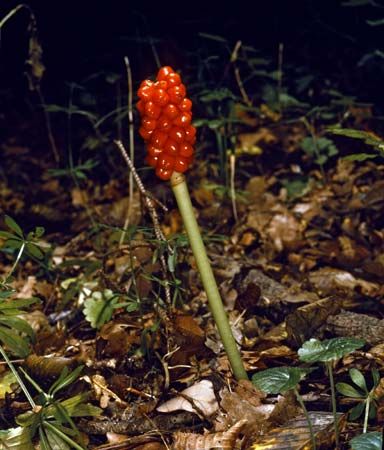
Dumb Cane
The dumb cane (Dieffenbachia seguine) is a popular houseplant, but it requires careful handling due to its toxicity. The plant contains stinging crystals…
What are some safety precautions to take when handling or growing dumb cane plants?
The dumb cane (Dieffenbachia seguine) is a popular houseplant, but it requires careful handling due to its toxicity. The plant contains stinging crystals called raphides, which are composed of calcium oxalate.1
To ensure safety when handling or growing this plant, consider the following precautions:
- Avoid Ingestion: Never chew or ingest any part of the plant, particularly the stem. Doing so can cause severe irritation to the mucous membranes, leading to swelling and inflammation of the tongue and throat, which may result in temporary speechlessness.1
- Protect Pets: The plant is toxic to cats. Keep it in a location that is inaccessible to pets to prevent accidental ingestion.1
- Use Protective Gear: When pruning or taking stem cuttings for propagation, wear gloves to avoid direct contact with the plant’s sap, which contains the irritating raphides.1
- Supervision: Keep the plant out of reach of small children who might be tempted to touch or chew on the leaves.1
How toxic is the dumb cane plant, and what are its effects on humans and animals?
The dumb cane (Dieffenbachia seguine) is a widely cultivated houseplant that is considered toxic to both humans and animals due to the presence of stinging crystals known as raphides, which are composed of calcium oxalate, as well as the compound protoanemonine.12
Effects on Humans and Animals
When the plant is chewed or ingested, these raphides and the plant’s sap cause immediate irritation to the mucous membranes. The primary effects include:
- Oral Irritation: A burning sensation and inflammation of the mouth, tongue, and lips.12
- Physical Distress: Symptoms often include hypersalivation, swelling of the tongue, and difficulty in swallowing or breathing.12
- Speech Impairment: The plant derives its common name, “dumb cane,” from the temporary speechlessness that can occur following the irritation of the throat and tongue.1
While the plant is considered toxic to cats and other animals, ingestion is generally not fatal. However, the intense discomfort and potential for airway swelling necessitate keeping the plant out of reach of children and pets.1
How many species of dumb cane exist, and what are some popular varieties for indoor cultivation?
The genus Dieffenbachia, commonly known as dumb cane, comprises several species, though Dieffenbachia seguine is the most well-known and widely cultivated houseplant within the arum family. While there are multiple species within the genus, many are less frequently grown in indoor settings compared to the popular varieties derived from D. seguine.1
Popular Varieties and Characteristics
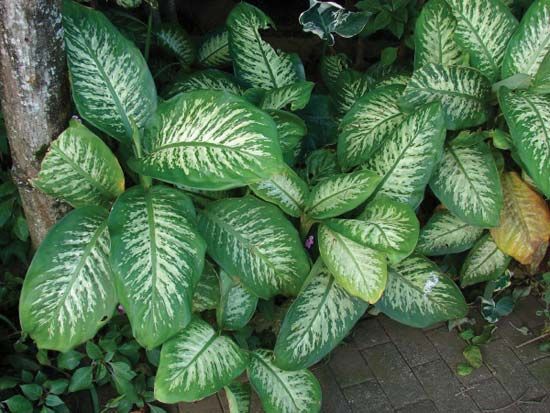
Cultivated varieties are primarily prized for their large, attractive leaves, which often feature striking variegation in various shades of green and cream.1
- Standard Cultivars: Most indoor varieties are selected for their ability to tolerate low light intensities and their ornamental foliage.1
- Dieffenbachia amoena: Sometimes classified as a distinct species, this variety is notable for its size, capable of reaching heights of 180 cm (6 feet) or more. It features large leaves, often measuring 50 cm (20 inches) in length, marked with distinctive creamy patterns along the larger veins.1
Because these plants are easily propagated by stem cuttings, they remain a staple in indoor gardening despite their toxicity.1
How does the dumb cane plant clean indoor air, and which pollutants does it remove?
The premise that the dumb cane (Dieffenbachia seguine) is specifically recognized for its ability to clean indoor air is not supported by the provided information. While it is true that many houseplants can help improve indoor air quality by absorbing pollutants and transporting them to their roots for detoxification, the dumb cane is not listed among the plants identified by experts as effective for this purpose.41
Research into air-purifying plants, such as studies conducted by former NASA scientist Bill Wolverton, highlights other species—including the areca palm, bamboo palm, rubber plant, and dracaena—as being particularly effective at clearing airborne toxins. The dumb cane is primarily valued for its ornamental foliage and its ability to thrive in low-light conditions rather than its air-purification capabilities.41
Sources
- Dumb cane — Encyclopædia Britannica
- poison - Plant poisons (phytotoxins) — Encyclopædia Britannica
- mother-in-law plant — Merriam-Webster
- 11 Questions About Useful Plants Answered - Can houseplants help the quality of air in my house? — Encyclopædia Britannica
Published on · 3 min read