Eastern Schelde
The Eastern Schelde has profoundly shaped the economy and culture of the surrounding region, primarily through its role in shellfish cultivation and the…
How has the Eastern Schelde influenced the local economy and culture of the surrounding area?
The Eastern Schelde has profoundly shaped the economy and culture of the surrounding region, primarily through its role in shellfish cultivation and the transformative impact of the Delta Works project impact of the Delta Works project.1
Economic Impact
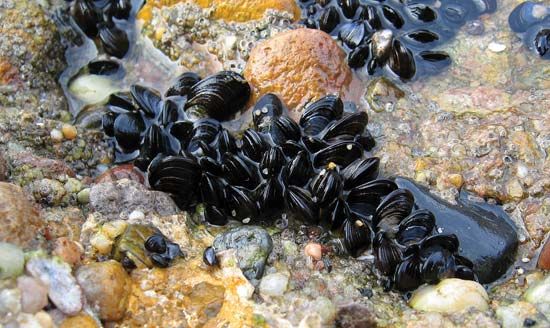
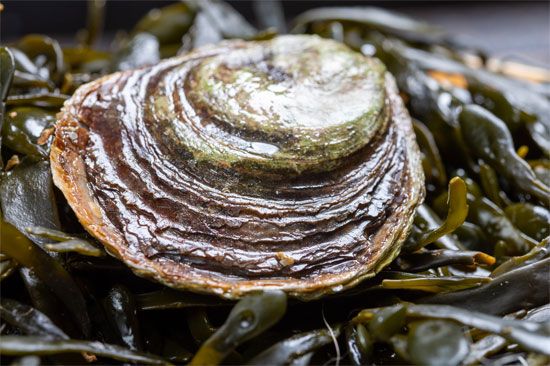
- Fisheries: The area is a hub for the cultivation of mussels, oysters, and shrimp. The Oosterscheldedam, completed in 1986, features adjustable gates that maintain tidal flow, which is essential for sustaining these local fisheries.2134
- Infrastructure and Connectivity: The construction of dams and bridges, such as the Zeelandbrug, ended the historic isolation of the region’s islands, facilitating road travel and integrating the area with the rest of the Netherlands.231
- Tourism: The dams and bridges accommodate frontage recreation areas, supporting the development of seaside resorts.21
Cultural Significance
The region’s culture is defined by a “permanent struggle against the sea,” reflected in the provincial motto Luctor et emergo (“I struggle and emerge”). The Eastern Schelde serves as a vital wintering area for migratory birds, and the storm-surge barrier itself is a celebrated feat of modern engineering.123
How was the Eastern Schelde formed, and what is its geological significance?
The Eastern Schelde (Oosterschelde) is a channel located in the southwestern Netherlands that historically functioned as a major estuary for the Schelde River and, until 1970, the Meuse (Maas) River. Its formation and current state are the result of both natural coastal processes and significant human intervention.15
Geological and Geographical Context
The region is characterized by delta lands where the coastline has historically been in a state of constant flux. Over centuries, the area was shaped by alluvial deposition, the formation of islands, and the erosive power of the North Sea5. The Eastern Schelde specifically serves as a channel between the islands of Tholen, Noord-Beveland, Schouwen, and Duiveland, and the peninsula of Zuid-Beveland.1
Significance of Human Intervention
The geological and environmental character of the Eastern Schelde was fundamentally altered by the Delta Works project, initiated following the catastrophic flood of 1953.57
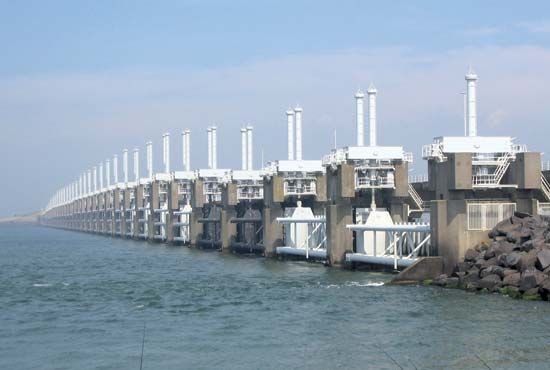
- Storm Surge Barrier: Completed in 1986, the Oosterscheldedam transformed the estuary into a controlled tidal saltwater area. Unlike other dams that fully seal off waterways, this barrier features adjustable gates that allow for partial tidal movement, which is critical for maintaining the local shellfish ecosystems and migratory bird habitats.173
- Coastal Management: The project was designed to shorten the vulnerable coastline, combat soil salination, and protect the low-lying lands from the North Sea’s destructive power.73
What role does the Eastern Schelde play in the Dutch Delta Works project?
The Eastern Schelde plays a pivotal role in the Delta Works project, primarily through the construction of the Oosterscheldedam, which was the final barrier dam completed in 1986.21
Unlike other components of the Delta Works that transformed estuaries into stagnant freshwater lakes, the Oosterscheldedam is a sophisticated storm-surge barrier. It features adjustable gates that allow tidal seawater to ebb and flow under normal conditions, which is essential for preserving the local shellfish industry and maintaining habitats for migratory birds) industry and maintaining habitats for migratory birds. During severe storms, these gates can be closed to protect the low-lying inland areas from flooding, a critical safety measure following the devastating North Sea flood of 1953.21
Additionally, the project integrated the Eastern Schelde into the broader regional infrastructure. Secondary dams, such as the Oesterdam and Philipsdam, helped manage water levels and salinity, while bridges like the Zeelandbrug and roadways built over the dams ended the area’s historic isolation.21
What is the significance of the Eastern Schelde Storm Surge Barrier?
The Eastern Schelde Storm Surge Barrier, or Oosterscheldedam, is a critical component of the Delta Works project in the Netherlands. Its significance lies in its unique engineering, which balances human safety with environmental preservation.21
Key aspects of its significance include:
- Flood Protection: Completed in 1986, the barrier was designed to prevent catastrophic flooding similar to the North Sea flood of 1953. It features massive gates that can be closed during severe storms to block dangerous surges from the sea.24
- Environmental Balance: Unlike other dams that fully seal off estuaries to create stagnant freshwater lakes, this barrier is adjustable. In normal weather, it remains open, allowing tidal seawater to flow into the Eastern Schelde estuary. This maintains the saltwater environment necessary for local shellfish cultivation and supports migratory bird habitats.261
- Infrastructure Integration: The project facilitated regional development by incorporating roadways and bridges over the barrier, effectively ending the historic isolation of the surrounding islands.26
Sources
- Eastern Schelde — Encyclopædia Britannica
- Delta Works — Encyclopædia Britannica
- Schelde River — Encyclopædia Britannica
- Netherlands - Drainage and dikes — Encyclopædia Britannica
- Zeeland — Encyclopædia Britannica
- North Sea - Reclamation and flood-control projects — Encyclopædia Britannica
- Western Schelde — Encyclopædia Britannica
- Belgium - Relief, drainage, and soils — Encyclopædia Britannica
Published on · 3 min read