Shellfish
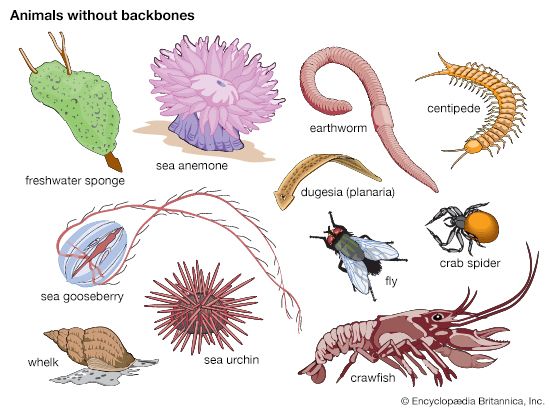
Shellfish are aquatic invertebrate animals characterized by the presence of a shell. They are primarily classified into three distinct groups based on their…
What are the different types of shellfish and how are they classified?
Shellfish are aquatic invertebrate animals characterized by the presence of a shell. They are primarily classified into three distinct groups based on their biological phyla:1
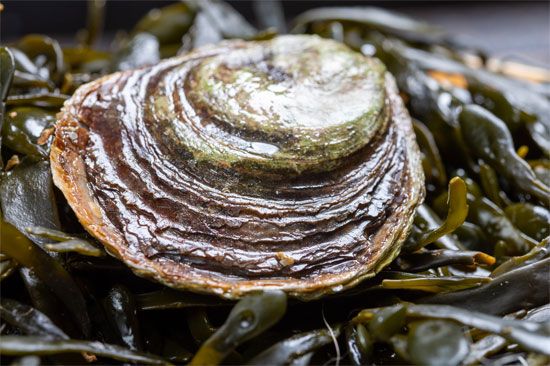
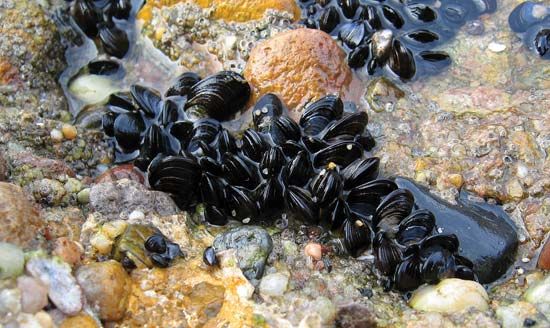
- Mollusca: This group includes bivalves—such as oysters, mussels, scallops, and clams—as well as gastropods like abalone, whelk, and conch.1
- Crustacea: Belonging to the phylum Arthropoda, this group includes commercially significant species such as shrimp, prawns, lobsters, and various crabs. Some, like the mussel shrimp, are unique for having a bivalved shell that resembles that of a mollusk.123
- Echinodermata: This group includes locally popular edible species such as sea urchins and sea cucumbers.1
While these biological classifications are standard, the term “shellfish” is often used broadly in culinary contexts, where naming conventions may be based on size or market preference rather than specific species.1
What role do shellfish play in human culture and traditions around the world?
Shellfish have played a significant role in human culture and survival for centuries, primarily as a vital source of nutrition and a cornerstone of global fishing industries.156
Nutritional and Culinary Significance
Shellfish are a major component of the human diet, providing essential protein and serving as the foundation for diverse culinary traditions. Across the globe, they are prepared in countless ways—poached, steamed, fried, or eaten raw—and are central to many iconic dishes, including stews, chowders, and gumbos. In regions like the Mediterranean and the Far East, cephalopods such as squid and octopus are particularly popular, while sea cucumbers are highly valued in China, Southeast Asia, and Italy.567
Cultural and Economic Roles
Beyond their role as food, shellfish have shaped human economies and craftsmanship:
- Ornaments and Industry: Many shell-bearing mollusks are harvested to create jewelry and ornaments, and they remain essential to the pearl and mother-of-pearl industries.6
- Aquaculture Traditions: The practice of culturing shellfish, such as oysters and mussels, dates back to the Middle Ages in Europe, reflecting a long-standing human effort to manage and sustain these resources.8
- Global Trade: The development of modern freezing techniques in the 1940s transformed the shellfish trade into a massive global operation, connecting consumers in major markets like the United States with producers worldwide.7
How are shellfish harvested and what is their importance in human cuisine?
Shellfish are harvested through a variety of methods, ranging from simple hand-gathering—a practice dating back to prehistoric times—to sophisticated commercial operations. While many shellfish are still collected in artisanal fisheries using small boats or by hand, large-scale commercial harvesting often employs specialized equipment such as trawlers, dredges, and traps. In the case of bivalves like mussels, cultivation on ropes suspended from floats has become a widespread and efficient practice. Because shellfish are highly perishable, they are frequently harvested and transported live to ensure safety and quality for the consumer.195810
In human cuisine, shellfish are a vital global food source, providing essential protein and serving as a foundation for diverse culinary traditions. They are featured in a wide array of dishes, including stews, gumbos, and chowders, and are prepared using methods such as steaming, poaching, frying, or serving raw. Beyond their nutritional value, shellfish are economically significant, supporting major fishing industries and contributing to the production of pearls, mother-of-pearl, and various ornaments.101198
What roles do shellfish play in marine ecosystems?
Shellfish, particularly bivalves, play diverse and critical roles in marine ecosystems, acting as both structural engineers and essential components of the food web.
Ecological Functions
- Filter Feeding: Bivalves utilize specialized apparatuses to filter phytoplankton from the water, a process that helps regulate water quality and nutrient cycling within their habitats.11
- Habitat Formation: Many shellfish, such as mussels and oysters, form dense beds that provide essential nursery grounds and protection for various invertebrate animals and fish. These structures support high levels of biological productivity, particularly in estuaries.12
- Bioerosion: Certain shellfish are active agents of bioerosion. Species like piddocks and date mussels bore into rocks, corals, and wood, which contributes to the breakdown of materials in the marine environment.11
- Substrate Colonization: Through the use of proteinaceous threads known as byssus or by cementing themselves to hard surfaces, shellfish colonize wave-swept shores and other substrates, influencing the physical structure of their environment.1
While they are vital to ecosystem health, some species can become invasive, such as the zebra mussel, which can disrupt local food webs and damage infrastructure.11
Sources
- shellfish — Encyclopædia Britannica
- mollusk - Habitats, feeding habits, and associations — Encyclopædia Britannica
- crustacean — Encyclopædia Britannica
- mussel shrimp — Encyclopædia Britannica
- seafood — Encyclopædia Britannica
- Atlantic Ocean - Fisheries of the Atlantic Ocean — Encyclopædia Britannica
- commercial fishing - Shellfish — Encyclopædia Britannica
- mollusk - Importance to humans — Encyclopædia Britannica
- commercial fishing - History of commercial fishing — Encyclopædia Britannica
- commercial fishing - Seine nets — Encyclopædia Britannica
- bivalve - Importance — Encyclopædia Britannica
- estuary - Primary productivity — Encyclopædia Britannica
- bivalve - Size range and diversity of structure — Encyclopædia Britannica
Published on · 3 min read