Elm
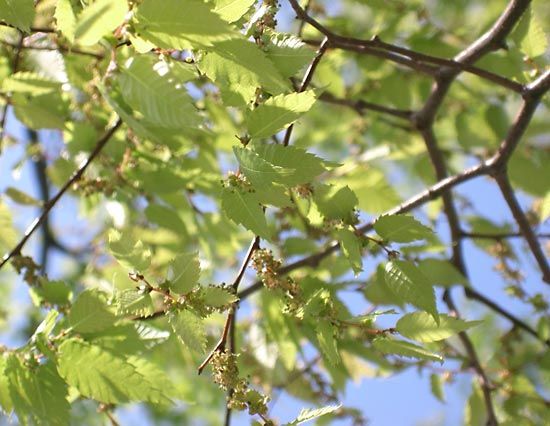
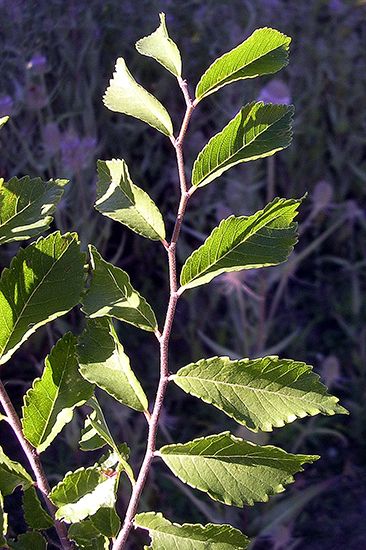
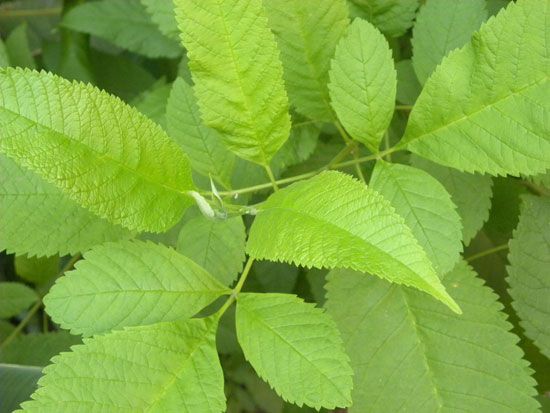
The genus Ulmus comprises approximately 35 species of trees native primarily to north temperate regions. Several notable species include:
What are the most common species of elm trees and where are they typically found?
The genus Ulmus comprises approximately 35 species of trees native primarily to north temperate regions. Several notable species include:1
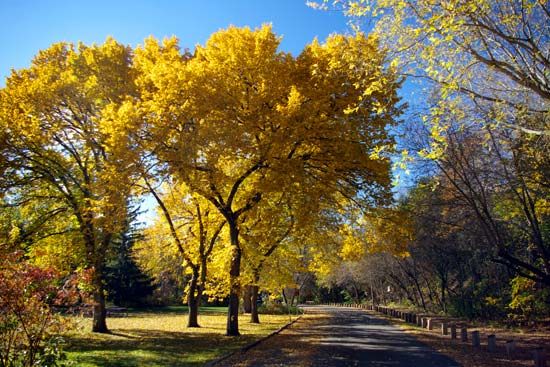
- American elm (Ulmus americana): Native to eastern North America, this species is known for its height and dark, ridged bark, though its populations have been significantly reduced by Dutch elm disease.1
- Slippery elm (U. rubra): Found in eastern and central North America, this species is recognized for its mucilaginous inner bark, which has historically been used in herbal medicine.123
- Chinese elm (U. parvifolia): A small-leaved, rapid-growing tree native to eastern Asia, widely used for hedges and shelterbelts.14
- Siberian elm (U. pumila): An Asian species often planted for quick shade or windbreaks; it has become naturalized in the United States.15
- Other species: These include the English elm (U. procera), the Wych elm (U. glabra), and the Rock elm (U. thomasii).1
What is Dutch elm disease and how has it affected elm populations worldwide?
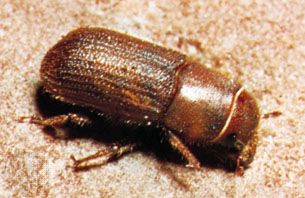
Dutch elm disease is a devastating fungal infection that has decimated elm populations across Europe and North America. Caused by three species of ascomycete fungi in the genus Ophiostoma, the disease is primarily spread by bark beetles, which carry fungal spores to healthy trees while feeding.671
Once a tree is infected, the fungus reproduces rapidly within the xylem, causing leaves to wilt, curl, and drop, often leading to the death of the tree. The disease has been particularly lethal to the American elm, which is highly susceptible.67
Control efforts focus on managing beetle populations through the removal of dead or dying wood and the use of insecticides or fungicides, though these measures are often protective rather than curative. While some species, such as the Chinese elm and Siberian elm, show natural resistance, the disease remains a significant threat to global elm populations.67
What are some common pests and diseases that affect elm trees besides Dutch elm disease?
Beyond Dutch elm disease, elm trees are susceptible to several other significant pests and diseases that can impact their health and longevity:
- Elm Yellows (Phloem Necrosis): This is a usually fatal disease affecting North American elms, such as the American elm. It is caused by a phytoplasma transmitted by the leafhopper Scaphoideus luteolus. The disease leads to the degeneration of the phloem, resulting in yellowing and loss of leaves, and ultimately the death of the root system.69
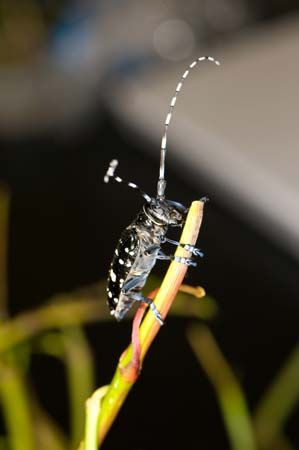
- Asian Longhorned Beetle: Elms are a preferred host for the Asian longhorned beetle (Anoplophora glabripennis). This invasive pest causes significant damage to hardwood trees across North America and parts of Eurasia by boring into the wood.9
- Heartrot Fungi: Like many other hardwood trees, elms can be affected by heartrot fungi. These pathogens typically enter the tree through wounds caused by broken limbs, fire scars, or other physical damage, leading to the decay of the tree’s internal wood.10
While these threats are serious, foresters often manage them through practices such as selecting resistant tree varieties, monitoring for early signs of infestation, and implementing sanitation harvests to remove infected wood.109
What is Dutch elm disease and how does it spread?
Dutch elm disease is a destructive fungal infection that affects elm trees. It is caused by three species of ascomycete fungi in the genus Ophiostoma, which colonize the tree’s xylem and cause rapid wilting, discoloration, and often death.6
The disease spreads primarily through bark beetles, such as the smaller European elm bark beetle and the American elm bark beetle. These beetles excavate galleries in dead or weakened wood where the fungus produces large quantities of spores. When young adult beetles emerge, they carry these spores to healthy trees, introducing the fungus while feeding on young twigs. Additionally, the disease can spread between adjacent trees through natural root grafts up to 15 meters (50 feet) apart.6
Because symptoms can mimic other conditions, laboratory culturing is required for a positive diagnosis. Control strategies focus on removing infested wood and using insecticides or fungicides to protect healthy trees.6
Sources
- elm — Encyclopædia Britannica
- Chinese elm — Merriam-Webster
- slippery elm — Merriam-Webster
- slippery elm — Encyclopædia Britannica
- Siberian elm — Merriam-Webster
- Dutch elm disease — Encyclopædia Britannica
- Dutch elm disease — Merriam-Webster
- elm bark beetle — Merriam-Webster
- elm yellows — Merriam-Webster
- Plant disease - Control — Encyclopædia Britannica
- forestry - Insect and disease control — Encyclopædia Britannica
Published on · 3 min read