Ulmaceae
Ulmaceae, commonly known as the elm family, is a group of 6–7 genera comprising approximately 35 to 45 species of trees and shrubs. Belonging to the order…
What is Ulmaceae?
Ulmaceae, commonly known as the elm family, is a group of 6–7 genera comprising approximately 35 to 45 species of trees and shrubs. Belonging to the order Rosales, these plants are primarily distributed throughout temperate regions, with a notable concentration in Asia.12
Physical Characteristics
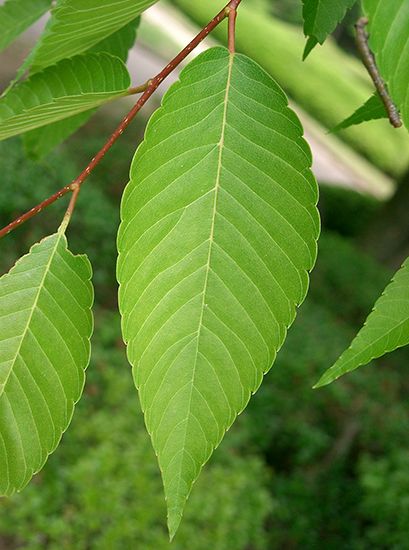
Members of the family are deciduous or evergreen and are characterized by their watery sap. Their simple leaves are arranged alternately along the stem, typically feature toothed edges, and are often lopsided at the base. The small flowers lack petals and may be bisexual or unisexual, while the fruit is a samara.1
Major Genera
- Ulmus: The largest genus, containing about 35 species of shade and ornamental trees.12
- Zelkova: Includes several species of trees and shrubs often used as ornamentals.1
- Planera: Includes the planer tree, or water elm, known for its timber.1
- Hemiptelea, Holoptelea, Ampelocera, and Phyllostylon: Other genera within the family, some of which are used for timber or medicinal purposes.1
What is a samara and how does it help trees reproduce?
A samara is a specialized type of winged fruit found on trees such as the elm, ash, maple, and sycamore. Often referred to by nicknames like “helicopter” or “whirlybird,” these fruits possess a unique shape that allows them to spin like a rotor as they fall from the tree.4
This structural adaptation is a highly effective mechanism for wind dispersal. By spinning, the samara slows its descent, enabling it to drift a significant distance away from the parent tree. This movement is crucial for the plant’s reproductive success, as it helps the seeds colonize new areas, reduces competition for resources with the parent plant, and prevents the overcrowding of seedlings.45
Why are elm trees often used as ornamental plants in cities?
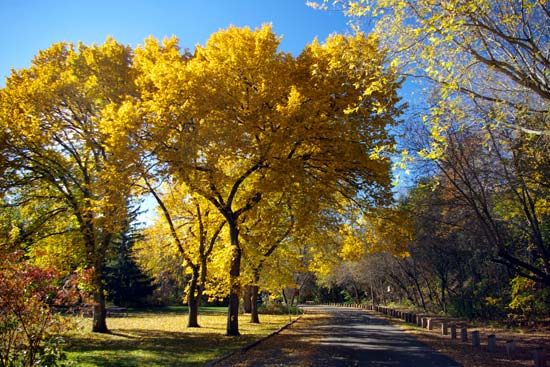
Elm trees have historically been favored as ornamental plants in urban environments primarily due to their impressive height, graceful form, and attractive foliage. Their stature and aesthetic appeal made them a popular choice for street-lining and shade in many cities.67
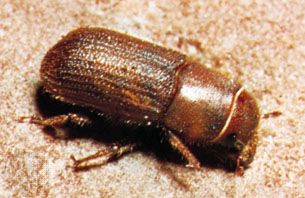
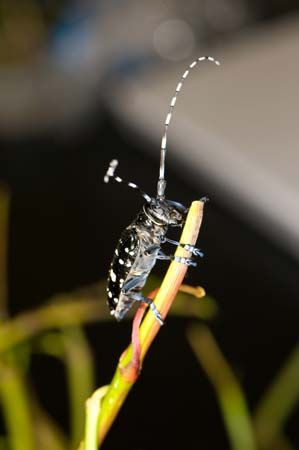
However, the widespread use of certain species, such as the American elm, has been severely impacted by Dutch elm disease. This devastating fungal infection, spread by bark beetles, has decimated populations across North America and Europe. Consequently, modern urban planning often prioritizes the selection of resistant strains or alternative species to avoid the risks posed by such diseases and other pests, like the Asian longhorned beetle.67
While some species like the Chinese elm remain popular for their interesting bark and smaller size, the historical dominance of elms in city landscapes has shifted significantly due to these ecological challenges.6
How do deciduous trees differ from evergreen trees?
The primary difference between deciduous and evergreen trees lies in their leaf-retention strategies, which are adaptations to their specific environments.
Deciduous Trees
Deciduous trees typically possess thin, delicate leaves that are shed annually. This process, known as abscission, is a protective response triggered by shortening day lengths and cooling temperatures in autumn. By shedding their leaves, these trees avoid the damage that freezing, wind, and snow would cause to their foliage during winter, allowing them to conserve energy until spring. Because these leaves are relatively inexpensive to produce, the tree can afford to replace them each growing season.891011
Evergreen Trees
Evergreen plants retain their foliage throughout the year, with individual leaves often remaining on the tree for two years or longer. Their leaves are generally thicker and more leathery than those of deciduous trees, often taking the form of needles or scales in conifers. This durable structure allows them to withstand environmental stressors, such as freezing temperatures or water scarcity, without needing to replace their leaves annually. In milder or drier climates, this strategy is advantageous because it allows the tree to carry out photosynthesis whenever conditions are favorable, avoiding the high energy cost of frequent leaf replacement.89
Sources
- Ulmaceae — Encyclopædia Britannica
- Ulmaceae — Merriam-Webster
- Rosales - Distribution and abundance — Encyclopædia Britannica
- Did you know? — Merriam-Webster
- Angiosperm - Mechanisms of dispersal — Encyclopædia Britannica
- elm — Encyclopædia Britannica
- Rosales - Ulmaceae — Encyclopædia Britannica
- Evergreen — Encyclopædia Britannica
- Plant development - Seasonal adaptations — Encyclopædia Britannica
- Temperate forest - Environment — Encyclopædia Britannica
- Temperate forest - Flora — Encyclopædia Britannica
- Deciduous forest: Top Questions — Encyclopædia Britannica
- How Can Some Trees Survive for Thousands of Years? — Encyclopædia Britannica
Published on · 3 min read