Equisetopsida
The Equisetopsida, commonly known as sphenophytes, are a class of primitive, spore-bearing vascular plants with a fossil record dating back to the Devonian…
What is the evolutionary history of Equisetopsida, and how long have they existed on Earth?
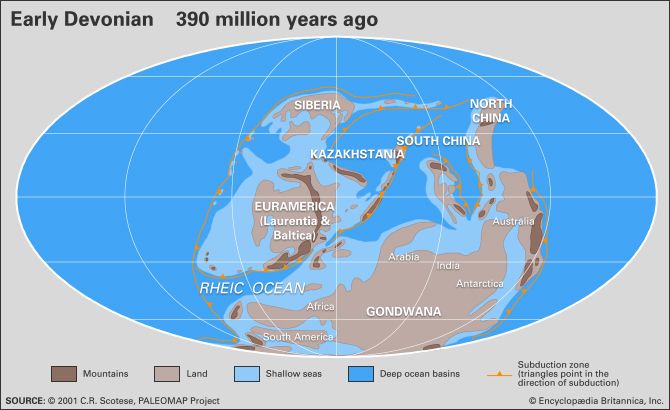
The Equisetopsida, commonly known as sphenophytes, are a class of primitive, spore-bearing vascular plants with a fossil record dating back to the Devonian Period (approximately 419 to 359 million years ago).12
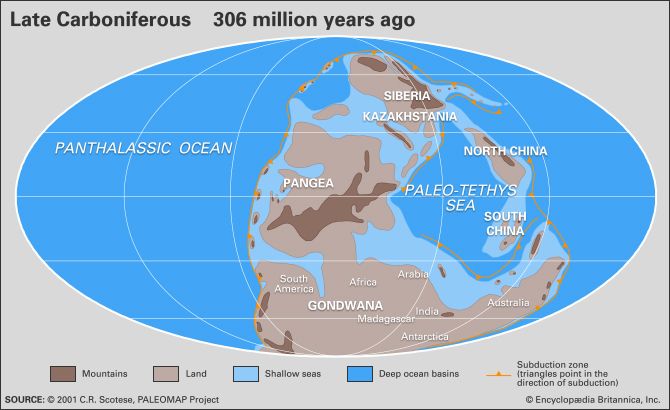
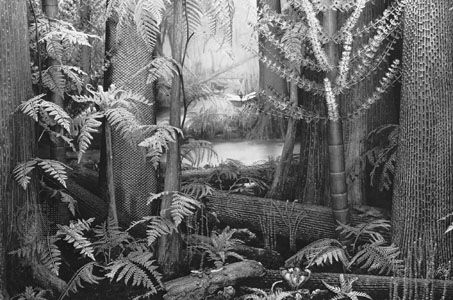
Throughout their evolutionary history, this group was once a diverse and dominant component of Earth’s flora. During the Carboniferous Period, they included massive, tree-like forms such as the Calamitaceae, which contributed significantly to the formation of coal beds. Other extinct groups included the shrubby Hyeniales, the vinelike Sphenophyllales, and the large Pseudobornia.12
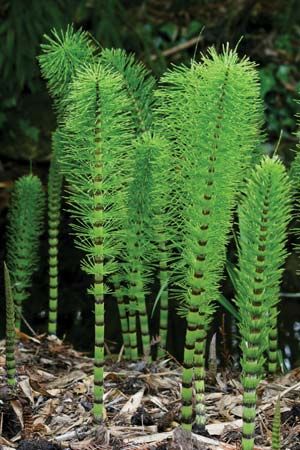
Today, the class is represented by a single living genus, Equisetum (horsetails and scouring rushes), which is considered one of the oldest surviving genera of vascular plants. While they were once a major ecological force, extant species are now small, herbaceous remnants of that ancient, diverse lineage.12
How have humans used Equisetopsida plants throughout history, and do they have any modern applications?
Throughout history, humans have utilized Equisetopsida—specifically the living genus Equisetum—primarily for their abrasive physical properties and medicinal applications.
Historical and Modern Uses
- Scouring Agents: Because their stems contain significant deposits of silica, horsetails have long been used as natural scouring pads. Historically, people used the evergreen shoots to clean pots and pans, a practice that leverages the plant’s abrasive texture to remove grime.45
- Folk Medicine: Various species have been utilized in traditional folk medicine. While they are valued for these purposes, it is important to note that they can be poisonous to livestock, causing severe intestinal inflammation if ingested by foraging animals.45
- Horticulture: In modern times, some species are cultivated as ornamental pond plants in marshy areas, valued for their unique, rushlike appearance.5
- Geological Indicators: While not a direct commercial application, horsetails are known to selectively accumulate minerals, including gold. Although the concentrations are not high enough to be economically feasible to mine, their presence can serve as a biological indicator for the existence of ore deposits in the soil.5
What is the taxonomic position of Equisetopsida within the plant kingdom?
Within the plant kingdom, Equisetopsida is classified as a class of primitive, spore-bearing vascular plants belonging to the division Pteridophyta (often referred to as ferns and fern allies).2
The taxonomic hierarchy for this group is structured as follows:
- Division: Pteridophyta
- Class: Equisetopsida
- Orders: Botanists generally recognize four to six orders within this class, most of which are extinct. These include:2
While Equisetopsida was a diverse and dominant group during the Carboniferous Period, it is represented today only by the genus Equisetum, which serves as a small, herbaceous remnant of this ancient lineage.12
How are Equisetopsida plants adapted to their environments, and in what habitats are they commonly found?
Equisetopsida, represented today solely by the genus Equisetum, exhibit several adaptations that allow them to thrive in diverse environments.
Environmental Adaptations
- Structural Support: The stems of Equisetum are characteristically jointed and ribbed, often containing significant silica deposits in their epidermal cell walls. This silica provides structural rigidity and an abrasive texture that may deter herbivores. In larger species, such as E. giganteum, support is further bolstered by the plant’s habit of growing in dense stands, allowing individuals to rely on surrounding vegetation for stability.
- Reproductive Efficiency: These plants utilize elaters—four bands attached to their spores—that coil and uncoil in response to humidity changes, which assists in effective spore dispersal. Additionally, they often rely on vegetative reproduction, which allows them to persist even when sexual reproduction is limited.
- Habitat Flexibility: While the majority of Equisetum species are found in wet or damp habitats—such as shaded areas along streams, ditches, and canals—some species have successfully adapted to drier and sunnier conditions.
These plants are distributed worldwide, with the notable exception of Australia, New Zealand, and Antarctica.
Sources
- Equisetopsida — Encyclopædia Britannica
- plant - Order Equisetales — Encyclopædia Britannica
- neuropteran - Evolution and paleontology — Encyclopædia Britannica
- horsetail — Encyclopædia Britannica
- field horsetail — Merriam-Webster
- Equisetaceae — Merriam-Webster
Published on · 3 min read