Esparto
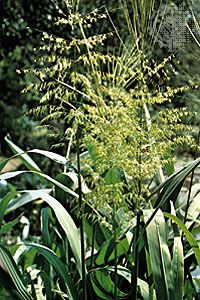
The term esparto refers to two distinct species of gray-green needlegrasses: Stipa tenacissima and Lygeum spartum. Both of these species belong to the…
What is the scientific name of esparto grass and to which plant family does it belong?
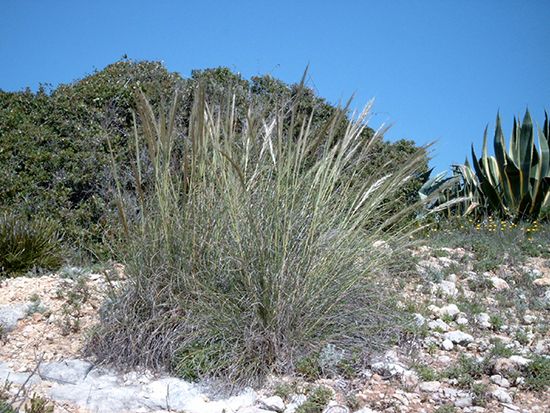
The term esparto refers to two distinct species of gray-green needlegrasses: Stipa tenacissima and Lygeum spartum. Both of these species belong to the Poaceae family, which is the grass family of monocotyledonous flowering plants.12
These grasses are indigenous to northern Africa and southern Spain and have been historically valued for their strong, flexible fibre, which is used to manufacture items such as ropes, mats, and paper.1
How does esparto grass compare to other natural fibers in terms of strength and durability?
Esparto grass is characterized by its significant strength and flexibility, qualities that have made it a traditional material for producing durable goods such as ropes, baskets, and mats for centuries.2
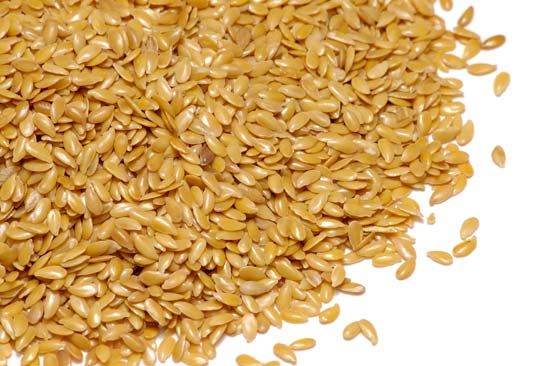
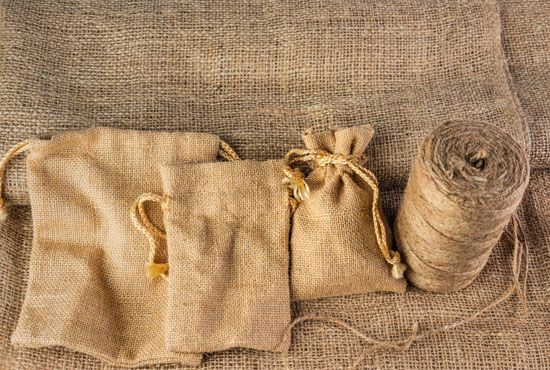
While esparto is valued for its robustness, it is categorized differently from “soft” or “bast” fibers like flax or hemp. Bast fibers are obtained from the stems of dicotyledonous plants and are generally noted for their fineness and flexibility. In contrast, esparto is a leaf fiber, often grouped with “hard” fibers, which are typically coarser and less flexible than their bast counterparts.4
Despite these structural differences, both esparto and bast fibers are recognized for their utility in heavy-duty applications, such as cordage and industrial fabrics. Like other natural fibers, they offer a biodegradable and more ecologically sustainable alternative to synthetic materials derived from fossil fuels.24
How has the use of esparto grass changed over time, from ancient to modern periods?
For centuries, esparto grass has been a vital natural resource, particularly in northern Africa and southern Spain. Its historical use has evolved from traditional craftsmanship to industrial-scale manufacturing.5
Traditional Applications
For hundreds of years, the strong and flexible fibers of Stipa tenacissima and Lygeum spartum were primarily utilized for making durable, everyday items. These included:5
- Cordage: The production of ropes and twine.52
- Footwear: The crafting of traditional sandals.52
- Woven Goods: The creation of baskets, mats, and other household articles.56
Industrial Evolution
The role of esparto shifted significantly in the 19th century with the development of its use in the paper industry.
- Papermaking: The use of esparto for paper was developed in Great Britain in 1856. Because of its high cellulose content and uniform fiber size, it became a competitive alternative to wood pulp, prized for producing smooth, lint-free, and dimensionally stable printing papers.7
- Modern Decline: Consumption of esparto for papermaking rose steadily until the mid-1950s but has since experienced a steady decline as other pulping materials became more prevalent.7
What are the unique characteristics of esparto grass that make it suitable for various applications?
Esparto grass, comprising the species Stipa tenacissima and Lygeum spartum, possesses unique physical properties that make it highly versatile for both traditional crafts and industrial manufacturing.
Mechanical Strength and Flexibility
The primary characteristics of esparto fiber are its exceptional strength and flexibility. These traits have made it a preferred material for centuries in the production of durable goods, including ropes, baskets, mats, and traditional footwear.26
Papermaking Properties
Beyond its use in cordage, esparto is highly valued in the paper industry due to its distinct botanical and chemical composition:
- High Cellulose Content: It contains a higher cellulose content than most other non-wood plants, which contributes to its utility in high-quality paper production.7
- Uniformity: The fibers exhibit greater uniformity in size and shape compared to other plant sources, allowing for excellent formation on paper machines.7
- Printability: Esparto-based printing papers are noted for their smoothness, opacity, and resilience when in contact with printing plates.7
- Stability: A key advantage of esparto paper is its dimensional stability, meaning it resists warping or changing shape significantly when exposed to varying moisture levels.7
Sources
- Poaceae — Encyclopædia Britannica
- esparto — Encyclopædia Britannica
- spart grass — Merriam-Webster
- Bast fiber — Encyclopædia Britannica
- esparto paper — Merriam-Webster
- papermaking - Natural fibres other than wood — Encyclopædia Britannica
- esparto — Merriam-Webster
- Spain - Vegetation — Encyclopædia Britannica
Published on · 3 min read