Hemp
Hemp (Cannabis sativa) has been cultivated for thousands of years, originating in Central Asia with records of fiber production in China dating back to 2800…
How has hemp cultivation and use changed throughout history?
Hemp (Cannabis sativa) has been cultivated for thousands of years, originating in Central Asia with records of fiber production in China dating back to 2800 BCE. By the Middle Ages, it was widely used across Europe for cordage and as a staple in herbal medicine.12
Cultivation expanded to Chile in the 1500s and North America in the 1600s. Historically, hemp was valued for its durable fibers, used for canvas and sacking, and its seeds. While often distinguished today by its low tetrahydrocannabinol (THC) content, historical distinctions were sometimes blurred; for instance, George Washington grew hemp at Mount Vernon with an interest in its medicinal properties.13
In the modern era, hemp has seen a resurgence in industrial applications, including bioplastics, hempcrete, and sustainable papermaking. Its legal status in the U.S. shifted significantly with the 2018 Agriculture Improvement Act, which removed hemp—defined as cannabis with less than 0.3 percent THC—from the Controlled Substances Act.145
What parts of the hemp plant are used for different purposes?
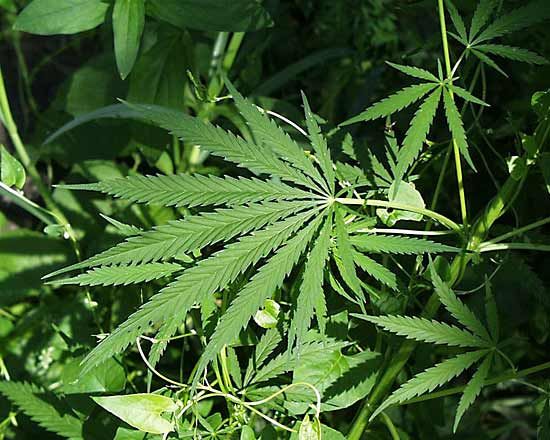
The hemp plant (Cannabis sativa) is highly versatile, with different parts utilized for a wide range of industrial and nutritional purposes:
- Stalks: The primary source of bast fiber, which is strong and durable. After processing—including retting, drying, and crushing—these fibers are used to manufacture cordage (such as rope, twine, and yarn), canvas, sacking, and even clothing textiles. Additionally, the woody inner portion of the stalk is used to create hempcrete for construction, bioplastics, and papermaking pulp.1
- Seeds: These are a rich source of protein, dietary fiber, and magnesium. They are consumed as “hemp hearts” or processed into hemp seed milk. The oil extracted from the seeds is used in soaps, paints, varnishes, and as an edible oil.1
- Flowers and Leaves: While hemp is distinct from marijuana due to its low tetrahydrocannabinol (THC) content, the flowering tops and leaves of the Cannabis genus are the primary sites where cannabinoids are concentrated. In marijuana varieties, these parts are harvested for their psychoactive and medicinal properties.178
What is hemp and how does it differ from marijuana?
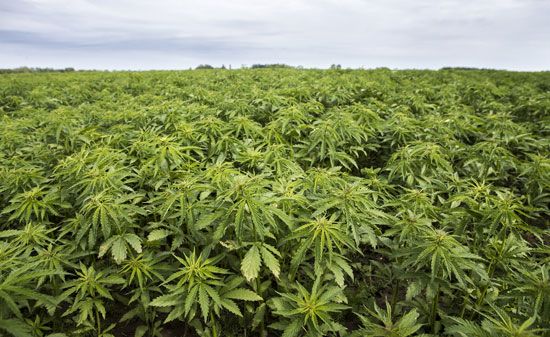
Hemp and marijuana are generally considered varieties of the same species, Cannabis sativa, though they are cultivated for vastly different purposes and possess distinct chemical profiles.105
The primary differences include:
- Purpose: Marijuana is cultivated for its psychoactive and medicinal properties, whereas hemp is grown for industrial and commercial use, including fiber, seeds, oils, and nutritional supplements.105
- Chemical Composition: The key differentiator is the concentration of tetrahydrocannabinol (THC), the compound responsible for the “high” associated with marijuana. In the United States and Canada, hemp is legally defined as cannabis containing no more than 0.3 percent THC by dry weight. In contrast, marijuana varieties are specifically bred for higher THC content, which can reach 25 percent or more.5110
- Morphology: While they share a species, the plants are often bred for different physical traits. Hemp grown for fiber is typically tall and densely sowed to encourage long, unbranched stalks, while marijuana plants are often cultivated to maximize the development of flowering tops where cannabinoids are concentrated.51
What are the main uses and applications of hemp in industry?
Hemp (Cannabis sativa) is a highly versatile industrial crop valued for its durable bast fiber and nutrient-rich seeds. Its industrial applications are broad, spanning construction, textiles, and manufacturing.1
Fiber Applications
The stalks are processed through retting and crushing to extract long, strong fibers used for:
- Cordage: Production of rope, cable, twine, yarn, and string.1
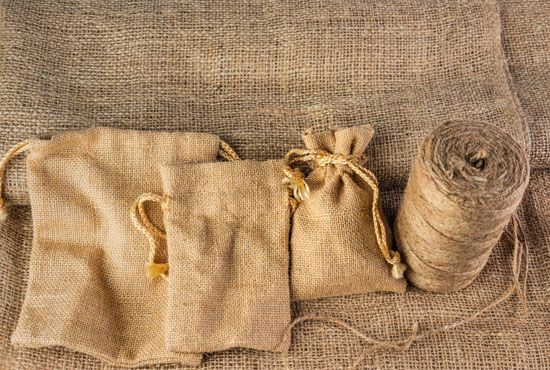
- Textiles: Coarse fabrics like canvas and sacking (burlap), as well as finer fabrics similar to linen for clothing and shoes.1
- Construction and Materials: The woody core is used to create hempcrete, a sustainable alternative to traditional concrete, and as an eco-friendly fiberglass insulation substitute. It is also utilized in papermaking and the production of recyclable bioplastics.1
Seed and Oil Applications
Hemp seeds are a significant source of protein, dietary fiber, and magnesium. Beyond human consumption as “hemp hearts” or milk, the extracted oil is used in industrial products, including paints, varnishes, and soaps.1
Sources
- hemp — Encyclopædia Britannica
- Medical marijuana - 1538 - Hemp used during Middle Ages — Encyclopædia Britannica
- hemp — Merriam-Webster
- Medical marijuana - December 20, 2018 - President Trump signs bill legalizing industrial hemp — Encyclopædia Britannica
- What Is the Difference Between Hemp and Marijuana? — Encyclopædia Britannica
- Medical marijuana - 1745-1775 - George Washington grows hemp — Encyclopædia Britannica
- 9 Mind-Altering Plants - Cannabis ( Cannabis sativa ) — Encyclopædia Britannica
- cannabis — Encyclopædia Britannica
- Mauritius hemp — Encyclopædia Britannica
- cannabis: Top Questions — Encyclopædia Britannica
- Bast fiber — Encyclopædia Britannica
Published on · 3 min read