Extinct in the Wild but Still Around: 5 Plants and Animals Kept Alive by Humans
Species that are "extinct in the wild" no longer exist in their natural habitats but survive through human intervention, such as in zoos, botanic gardens, or…
What is Extinct in the Wild but Still Around: 5 Plants and Animals Kept Alive by Humans?
Species that are “extinct in the wild” no longer exist in their natural habitats but survive through human intervention, such as in zoos, botanic gardens, or private collections. Here are five examples of organisms preserved by these efforts:12
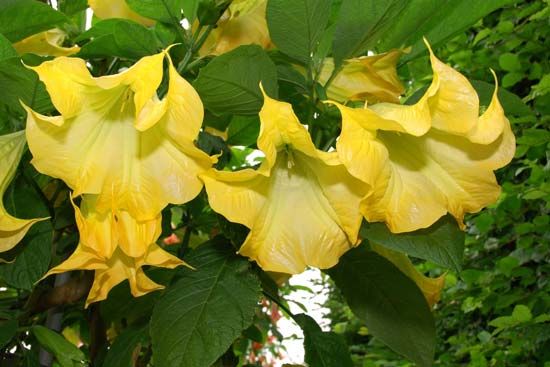
- Angel’s trumpets (Brugmansia): All seven species of these South American shrubs are functionally extinct in their original ranges, likely due to the loss of their natural animal seed dispersers. They persist today because they are widely cultivated as ornamentals and for medicinal or religious purposes.1
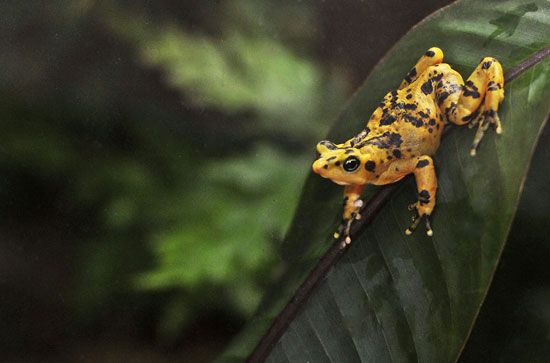
- Panamanian golden frog (Atelopus zeteki): Once a national symbol of Panama, this species has not been seen in the wild since 2006, largely due to amphibian chytridiomycosis. It is currently maintained through captive breeding programs.13
- Alula (Brighamia insignis): This Hawaiian plant lost its sole pollinator and suffered further population collapse due to hurricanes. It survives primarily as a popular ornamental specimen in gardens.1
- Butterfly splitfin (Ameca splendens): Native to Mexico, these fish were displaced by dam construction. They are sustained by aquarium enthusiasts, though their survival remains tied to their popularity in the hobby.1
- Ginkgo (Ginkgo biloba): Often called a “living fossil,” this tree was long believed to be extinct in the wild. While some potentially wild populations exist in China, the species is primarily kept alive through widespread cultivation as an ornamental and medicinal plant.1
What are some successful examples of reintroducing species back into the wild?
Reintroducing species to the wild is a complex and often challenging conservation strategy, but several high-profile projects have demonstrated significant success in restoring populations that were once on the brink of extinction.89
Notable Success Stories
- California Condor: Once declared extinct in the wild in 1987, this species underwent an intensive recovery program. Conservationists captured the remaining wild individuals for captive breeding in zoos. Following successful releases that began in 1992, the population has rebounded to approximately 500 birds worldwide, with hundreds now living in the wild.46
- Gray Wolf: Following widespread eradication efforts in the 20th century, gray wolves were reintroduced to Yellowstone National Park and Idaho in 1995. Additionally, captive-reared Mexican wolves were released into their former range in Arizona starting in 1998. These efforts have contributed to a significant recovery of wolf populations across North America.1011
- Przewalski’s Horse: Declared extinct in the wild in the 1960s, this species was preserved through captive breeding in zoos. By 2018, the global population had increased to 2,400, with 800 individuals successfully reintroduced to the wild.6
- Arabian Oryx: This species, which once ranged from Syria to the Arabian Peninsula, was saved from extinction through captive breeding and the subsequent reintroduction of herds into the wild.12
While these examples highlight the potential for recovery, conservationists note that reintroduction is not always successful. Success often depends on addressing the original causes of decline, such as habitat loss, environmental pollutants, or the presence of invasive species.89

How do zoos and botanical gardens help maintain genetic diversity in captive populations?
Zoos and botanical gardens play a vital role in preserving genetic diversity, which is essential for the long-term survival of rare and endangered species. By acting as “gene banks,” these institutions help mitigate the harmful effects of inbreeding, which can otherwise lead to the loss of genetic variability and the manifestation of deleterious genetic traits in small, isolated populations.13
Strategies for Genetic Preservation
- Cooperative Breeding and Exchange: Zoos and botanical gardens often work in tandem, exchanging seeds, pollen, and animals to ensure a diverse gene pool. For instance, zoos may exchange the semen of endangered animals for artificial insemination to promote genetic health.1413
- Managing Captive Stocks: To minimize risks from disease or predators, captive populations are often spread across multiple facilities. This practice helps maintain a broader genetic base than would be possible in a single location.15
- Seed Banks: Many botanical gardens maintain extensive collections of living seeds to guard against extinction. These banks serve as critical reservoirs of biodiversity for future restoration projects.14
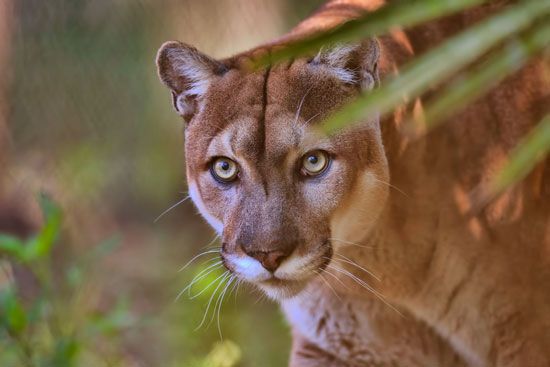
- Genetic Intervention: In cases of extreme isolation, such as the Florida panther, scientists may introduce individuals from outside populations to reverse genetic damage caused by inbreeding, a process that has been shown to improve survival rates in offspring.13
What is the difference between being extinct in the wild and being functionally extinct?
The terms “extinct in the wild” and “functionally extinct” describe different stages of a species’ decline, though neither implies that every single individual has died.
- Extinct in the Wild: This status is assigned to a species when there are no known living individuals remaining in their natural habitat. However, members of the species still exist in captivity, such as in zoos, botanical gardens, or other human-managed facilities. These populations are often maintained with the hope of future reintroduction into the wild.1617
- Functionally Extinct: This term describes a population that has become so small that it no longer plays a significant role in its ecosystem. Even if some individuals remain, they may be unable to reproduce effectively due to low numbers, lack of genetic diversity, or the inability to find mates. Consequently, the species can no longer sustain itself or perform its ecological functions, effectively marking its path toward total extinction.17
While both conditions signal a critical risk to a species’ survival, “extinct in the wild” focuses on the location of the remaining individuals, whereas “functionally extinct” focuses on the species’ viability and ecological impact.
Sources
- Extinct in the Wild but Still Around: 5 Plants and Animals Kept Alive by Humans — Encyclopædia Britannica
- endangered species - IUCN Red List of Threatened Species — Encyclopædia Britannica
- endangered species - The United States Endangered Species Act — Encyclopædia Britannica
- Zoos - Pro 3: Zoos save species from extinction and other dangers. — Encyclopædia Britannica
- conservation - Preventing the loss of biodiversity — Encyclopædia Britannica
- conservation - Introducing species — Encyclopædia Britannica
- endangered species - Species assessment and management — Encyclopædia Britannica
- California condor — Encyclopædia Britannica
- Arabian oryx — Merriam-Webster
- gray wolf - Conservation status — Encyclopædia Britannica
- conservation - Associated difficulties and costs — Encyclopædia Britannica
- wolf - Gray wolf — Encyclopædia Britannica
- How Botanical Gardens Save Plants with Science — Encyclopædia Britannica
- Zoo - Function and purpose — Encyclopædia Britannica
- conservation - Genetic intervention — Encyclopædia Britannica
- endangered species — Encyclopædia Britannica
- extinct — Merriam-Webster
- extinct — Merriam-Webster
- extinction: Top Questions — Encyclopædia Britannica
Published on · 4 min read