Extremophile
Extremophiles are organisms that thrive in environmental conditions—such as extreme heat, cold, pressure, or pH—that were once considered uninhabitable.…
What potential applications do extremophiles have in biotechnology and other industries?
Extremophiles are organisms that thrive in environmental conditions—such as extreme heat, cold, pressure, or pH—that were once considered uninhabitable. Their primary value in biotechnology stems from their production of extremozymes.12
These specialized enzymes are highly sought after in industrial production and research because they remain functional under the harsh conditions, such as high temperatures or extreme pH levels, that are often required for efficient industrial processing. By utilizing these stable catalysts, industries can perform chemical reactions that would otherwise denature or deactivate standard biological enzymes.1
Beyond industrial applications, the study of these organisms is vital for:
- Astrobiology: Because many bodies in our solar system are frozen or otherwise extreme, extremophiles serve as models for how extraterrestrial life might exist and where we should search for it.12
- Evolutionary Biology: As potential vestiges of primordial life, they offer insights into the origins of life on Earth.12
What are some of the most extreme environments on Earth where extremophiles have been found?
Extremophiles thrive in some of the most inhospitable environments on Earth, demonstrating the remarkable adaptability of life. These organisms are found in a wide variety of extreme habitats:
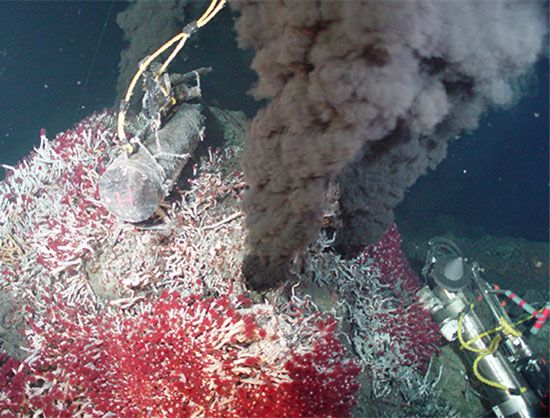
- Hydrothermal Vents: Located deep in the ocean near undersea volcanoes, these mineral-rich vents support unique ecosystems. Organisms such as the Pompeii worm and various thermophilic bacteria thrive here, with some species recorded growing at temperatures as high as 113 °C (235 °F) due to high hydrostatic pressure preventing the water from boiling.134
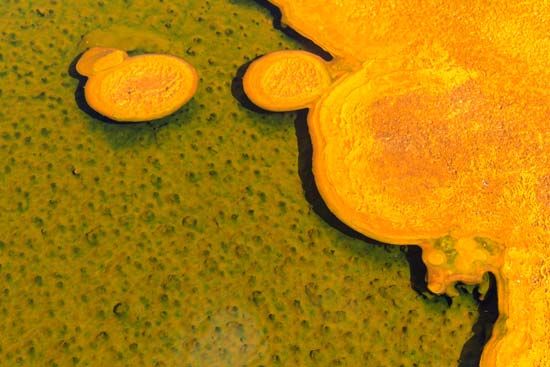
- Hot Springs: Terrestrial hot springs, such as those in Yellowstone National Park, host photosynthetic bacteria that grow in temperatures exceeding 90 °C (194 °F).4
- Highly Saline Environments: The Dead Sea is so saline that it excludes most life, yet it supports specialized halophilic bacteria.56
- Acidic Soils: Certain archaea, such as species of Picrophilus isolated from acidic soils in Japan, are capable of growth at approximately pH 0.3
- Polar and High-Altitude Regions: Organisms like the emperor penguin and tardigrades survive in freezing conditions, including the extreme cold of Antarctica and high mountain peaks.14
What are extremophiles and what types of extreme environments do they inhabit?
An extremophile is an organism that has evolved to grow optimally under environmental conditions that are typically considered extreme or inhospitable to most life forms. The term is derived from the suffix -phile, meaning “one who loves,” reflecting their specialized adaptation to these harsh settings.1
Extremophiles are primarily prokaryotic, consisting of archaea and bacteria, though some eukaryotic examples exist. They are classified based on the specific conditions they favor:1
- Temperature: Thermophiles and hyperthermophiles thrive in high-heat environments like hot springs and deep-sea hydrothermal vents, while psychrophiles prefer cold temperatures, such as those found in polar regions.12
- Chemical Composition: Halophiles flourish in high-salt environments like the Dead Sea, while acidophiles and alkaliphiles are adapted to extreme pH levels.18
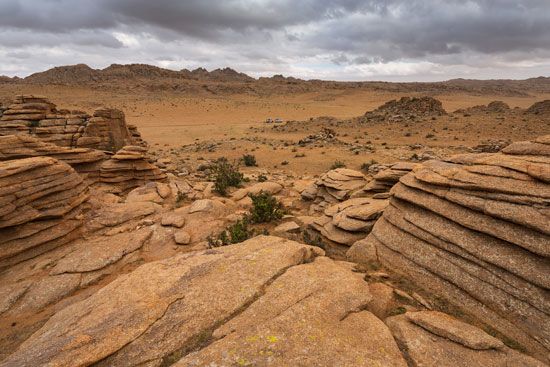
- Physical Stress: Other types include piezophiles (high pressure), xerophiles (dry conditions), and endoliths (living within rock).1
Some organisms, known as polyextremophiles, are adapted to multiple stressors simultaneously. Studying these organisms helps scientists understand the limits of life on Earth and provides critical insights into the potential for extraterrestrial life in the solar system1.1
How have extremophiles influenced our understanding of the tree of life?
Extremophiles have fundamentally reshaped our understanding of the tree of life by revealing that the biological world is far more diverse and complex than previously imagined. Before 1977, scientists generally categorized all life into two primary lineages: eukaryotes and prokaryotes.1
The study of extremophiles—specifically those thriving in high-heat or high-salinity environments—led microbiologist Carl Woese to discover that prokaryotes actually consist of two distinct groups. By analyzing ribosomal RNA, Woese identified the archaea as a separate domain of life, distinct from both bacteria and eukaryotes.110
This discovery established the modern three-domain system: Archaea, Bacteria, and Eukarya. Further research revealed that while archaea share some metabolic traits with bacteria, their genetic and biochemical characteristics—such as their RNA polymerase complexity and protein synthesis mechanisms—more closely resemble those of eukaryotes. Consequently, extremophiles have provided essential clues regarding the evolution of cells and the origins of life on Earth.1041
Sources
- Extremophile — Encyclopædia Britannica
- Did you know? — Merriam-Webster
- 8 Animals That Live in Extreme Environments — Encyclopædia Britannica
- Archaea — Encyclopædia Britannica
- Dead Sea - Salinity — Encyclopædia Britannica
- Dead Sea: Top Questions — Encyclopædia Britannica
- life - Temperature and desiccation — Encyclopædia Britannica
- Bacteria - Salt and water — Encyclopædia Britannica
- Bacteria - Temperature — Encyclopædia Britannica
- Carl Woese — Encyclopædia Britannica
Published on · 3 min read