Land Pollution
Land pollution significantly threatens wildlife and biodiversity by degrading habitats and introducing toxic substances into the environment. Its impacts…
How does land pollution impact wildlife and biodiversity?
Land pollution significantly threatens wildlife and biodiversity by degrading habitats and introducing toxic substances into the environment. Its impacts manifest in several critical ways:1
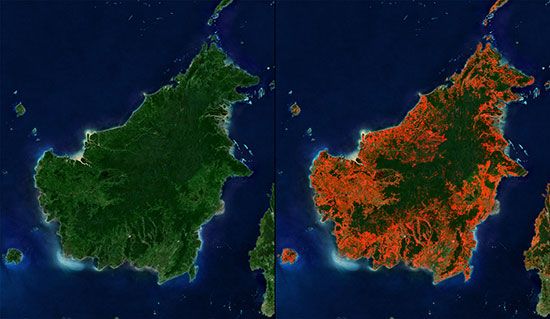
- Habitat Destruction and Fragmentation: Human activities, such as urban development and agriculture, often convert continuous natural landscapes into isolated “islands” of habitat. This fragmentation follows the species-to-area relationship, where smaller, isolated patches support fewer species, ultimately driving many toward local or global extinction.2
- Chemical Contamination: Pesticides, herbicides, and industrial chemicals applied to land can poison wildlife directly or accumulate in the food chain. Persistent chemicals, such as heavy metals or certain insecticides, can remain in the soil for years, affecting both the organisms that live there and the animals that consume them.134
- Pollutant Migration: Land pollution rarely stays contained; substances often seep into groundwater or wash into waterways through runoff. Once in aquatic systems, these pollutants can cause widespread harm, such as fish kills and the disruption of marine food chains.13
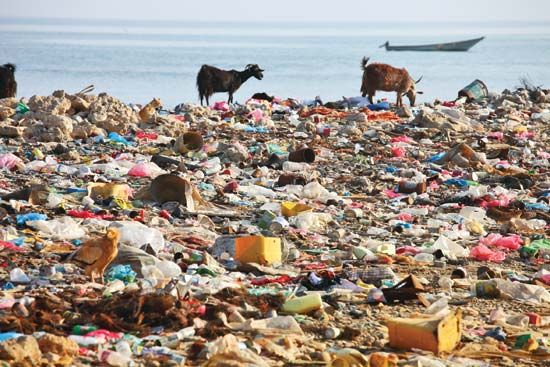
- Plastic and Waste Accumulation: Improperly disposed of plastic waste persists in the environment, posing risks of ingestion, choking, or entanglement for various species.1
What are the main causes of land pollution?
Land pollution is primarily caused by the improper disposal of waste materials and the accumulation of harmful chemicals in the environment. These pollutants are generally categorized into several key sources:
- Solid Waste: This includes municipal solid waste (everyday garbage, rubbish, and trash from homes and businesses), construction and demolition debris (such as concrete, wood, and metal), and hazardous waste. Hazardous materials—generated by industries like chemical manufacturing, petroleum refining, and dry cleaning—pose significant risks due to their toxicity, reactivity, or ignitability.6
- Improper Disposal Practices: Historically, “open dumps” served as common disposal sites, leading to the generation of leachate—a contaminated liquid that can seep into groundwater—and the release of methane gas. While modern sanitary landfills are engineered to contain these risks, abandoned sites, illegal “midnight dumping,” and accidental spills continue to contaminate land.6
- Agricultural Chemicals: The use of insecticides, herbicides, and other growth regulators can lead to persistent soil contamination. These residues can be taken up by crops or migrate into water systems.1
- Sewage and Nutrients: Contaminated effluent from septic tanks and runoff containing excess plant nutrients from feedlots or fertilizers can pollute both soil and groundwater.67
What are some common types of pollutants that contribute to land pollution?
Land pollution is caused by the deposition of various solid and liquid waste materials that contaminate soil and groundwater. These pollutants are generally classified into the following categories:
- Municipal Solid Waste (MSW): Often called municipal refuse, this includes nonhazardous garbage (decomposable food waste), rubbish (dry materials like paper, glass, textiles, and plastic), and bulky trash items like discarded appliances and furniture.69
- Construction and Demolition (C&D) Waste: This includes inert materials produced during building or renovation, such as wood, metal, concrete rubble, and asphalt.69
- Hazardous Waste: These substances are toxic, reactive, ignitable, corrosive, infectious, or radioactive. They are generated by industries such as petroleum refineries, chemical manufacturing, and dry cleaners. Common examples include pesticides, heavy metals, and industrial chemicals.659
- Electronic Waste (E-waste): Discarded electronic equipment like computers and cellular telephones contains both valuable materials and highly toxic substances like lead and cadmium.9
- Agricultural Pollutants: This category includes insecticides, herbicides, fungicides, and excess nutrients from fertilizers that can leach into the soil.510
How does land pollution affect human health and ecosystems?
Land pollution significantly threatens both human health and the stability of global ecosystems. By contaminating soil and groundwater, these pollutants disrupt the natural processes necessary to sustain life.1
Impact on Human Health
Human exposure to land pollutants often occurs through contaminated water or the food chain.
- Toxic Exposure: Hazardous wastes and xenobiotic chemicals (such as heavy metals and industrial toxins) can cause poisoning or long-term health issues, including cancer.149
- Water Contamination: Leachate from waste sites can infiltrate groundwater, which is a primary source of drinking water. For example, high levels of nitrates from fertilizers in groundwater can cause “blue baby syndrome” in infants.91
- Disease Vectors: Historically, uncontrolled waste sites served as breeding grounds for rats, mosquitoes, and flies, which are carriers of various diseases.1
Impact on Ecosystems
Pollution acts as a major driver of habitat degradation, leading to the simplification and impoverishment of natural communities.615
- Biodiversity Loss: Pollution increases environmental stress, making it difficult for native species to survive. This can lead to the elimination of populations and, eventually, biodiversity loss.615
- Disruption of Food Webs: Pollutants favor small-bodied, rapidly reproducing organisms over complex food webs. Furthermore, chemicals like pesticides can accumulate in the environment, moving through the food chain and affecting top consumers.1415
- Eutrophication: Excess nutrients from agricultural runoff can lead to eutrophication, where rapid algae growth depletes oxygen in water bodies, effectively choking out aquatic life.615
We could dive deeper into how sanitary landfills and secure landfills are engineered to mitigate these risks.
Sources
- water pollution: Top Questions — Encyclopædia Britannica
- conservation - Predictions of extinctions based on habitat loss — Encyclopædia Britannica
- What Are the Different Types of Pollution? — Encyclopædia Britannica
- Agricultural technology - Pesticides — Encyclopædia Britannica
- Agricultural technology - Chemicals — Encyclopædia Britannica
- land pollution — Encyclopædia Britannica
- urban sprawl - Environmental costs — Encyclopædia Britannica
- Agricultural technology - Plant nutrients — Encyclopædia Britannica
- soil - Xenobiotic chemicals — Encyclopædia Britannica
- plastic pollution: Top Questions — Encyclopædia Britannica
- plastic pollution - The problem of plastics — Encyclopædia Britannica
- waste disposal — Encyclopædia Britannica
- toxic waste — Encyclopædia Britannica
- habitat loss — Encyclopædia Britannica
- plant - Changes in biosystems: pollution — Encyclopædia Britannica
Published on · 4 min read