Why Is the Gobi Desert Called a Cold Desert?
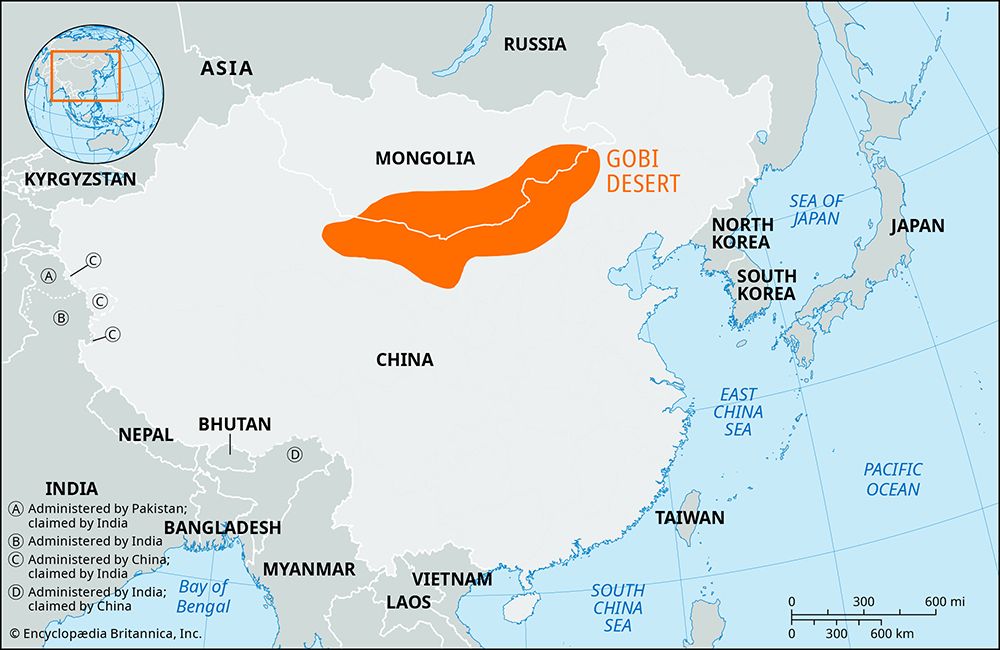
The Gobi Desert is classified as a cold desert primarily due to its extreme, continental climate characterized by long, bitter winters. Unlike hot deserts…
Why is the Gobi Desert called a cold desert?
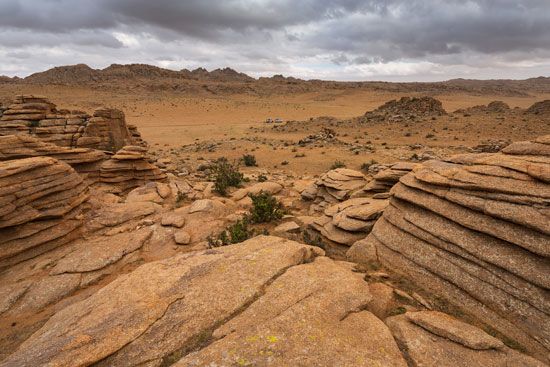
The Gobi Desert is classified as a cold desert primarily due to its extreme, continental climate characterized by long, bitter winters. Unlike hot deserts, the Gobi experiences temperatures that frequently drop below −40 °C (−40 °F).12
Several geographical factors contribute to this classification:
- Inland Location and Elevation: Situated far from the moderating influence of oceans and at a high elevation, the region experiences sharp seasonal temperature contrasts.1
- Siberian Influence: The desert is exposed to frigid air masses and winds descending from Siberia, which bring frost and snow during the winter months.1
- Rain Shadow Effect: Located in the rain shadow of the Himalayas, the Gobi is shielded from moist air originating from the Indian Ocean, resulting in its characteristic aridity.1
While the Gobi also endures very hot summers, its overall climatic profile—defined by severe cold, low annual precipitation, and significant seasonal fluctuations—distinguishes it from typical hot deserts.123
How do animals like the Bactrian camel survive in such extreme temperatures?
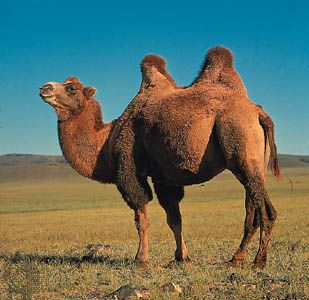
The Bactrian camel has evolved remarkable physiological and behavioral adaptations to survive the extreme temperature fluctuations of its environment.
Cold Weather Adaptations
To withstand the harsh winters of the steppes, Bactrian camels grow a thick, woolen coat at the end of summer, which provides essential insulation against freezing temperatures. In the spring, this heavy coat is shed in large tufts. Their feet are also well-adapted for navigating both sandy terrain and snow, featuring wide, cushioned pads that distribute their weight effectively.451
Heat and Water Conservation
During periods of extreme heat, these animals employ several strategies to conserve water and energy:
- Metabolic Efficiency: They store fat in their two humps, which can be converted into energy when food and water are scarce.41
- Water Retention: Camels produce very little sweat and urine, and their feces are extremely dry. They can tolerate significant dehydration, losing up to 25–30 percent of their body weight—a level that would be fatal for most other mammals.45
- Temperature Regulation: They can allow their body temperature to rise to 41 °C (106 °F) before they begin to sweat, which reduces heat gain from the environment.5
- Physical Protection: They possess nostrils that can seal completely and heavy, double rows of eyelashes to protect their nose and eyes from blowing sand and dust.41
Dietary Flexibility
Bactrian camels are primarily herbivorous and can thrive on sparse, coarse vegetation—such as thorny plants, dry shrubs, and saltbush—that other livestock typically refuse.51
What is a rain shadow and how does it create deserts?
A rain shadow is a dry region located on the leeward side of a mountainous barrier, which receives significantly less precipitation than the windward side.81
This phenomenon occurs through a process of orographic lifting:
- Moisture Deposition: As moist air encounters a mountain range, it is forced to rise. As the air ascends, it cools, losing its capacity to hold moisture, which results in heavy precipitation on the windward slopes.19
- Desiccation: By the time the air crosses the mountain crest and begins to descend on the leeward side, it has been stripped of most of its moisture. As this air descends, it warms and its capacity to hold moisture increases, creating a dry, arid environment.19
When this effect is pronounced over a large area, it can lead to the formation of deserts by preventing moist air masses from reaching the interior, as seen with the Himalayas contributing to the aridity of the Gobi Desert.109
How do hot deserts and cold deserts differ in their plant life?
Hot and cold deserts are both defined by a severe lack of moisture, but their plant life differs significantly due to their distinct temperature regimes and environmental conditions.
Plant Life in Hot Deserts
Hot deserts, located in subtropical regions, are characterized by high daytime temperatures and intense solar radiation. To survive, plants here have evolved specialized water-storage and conservation strategies:
- Succulence: Many plants, such as cacti, store water in fleshy stems or leaves. They often utilize crassulacean acid metabolism, a process where they open their stomata only at night to minimize water loss from transpiration.3
- Deep Root Systems: Plants like the creosote bush utilize extensive root systems to access moisture deep underground.1112
- Ephemeral Strategies: A large proportion of desert flora consists of ephemeral plants that remain as dormant seeds during dry periods, germinating and completing their life cycles rapidly after infrequent rainfall.12
Plant Life in Cold Deserts
Cold deserts, found at higher latitudes or elevations, experience freezing winter temperatures. Vegetation here is generally sparse and low-lying:
- Dominant Vegetation: These regions are typically dominated by shrubs and grasses, such as sagebrush in the Great Basin Desert.13
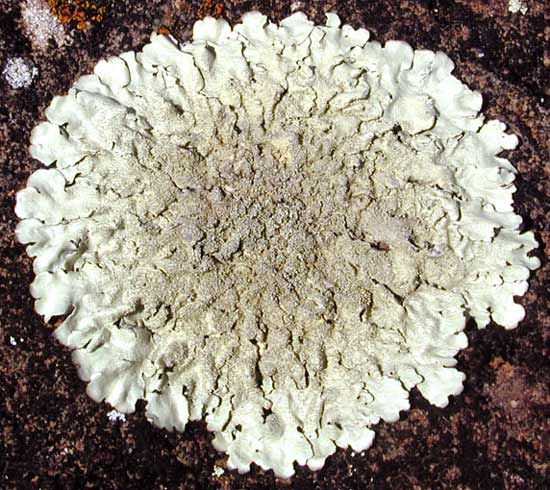
- Cold Adaptations: In polar deserts, where liquid water is scarce due to freezing, plant life is restricted to hardy organisms like mosses, lichens, and specialized extremophiles like psychrophiles.13
- Resilience: Like hot desert plants, many cold desert species use underground organs like bulbs or rhizomes to remain inactive until conditions are favorable.12
While some genera like Artemisia are found in both environments, the specific species composition varies greatly based on the local climate.11
Sources
- Why is the Gobi Desert called a cold desert? — Encyclopædia Britannica
- Gobi - Climate of Gobi — Encyclopædia Britannica
- Desert - Environment — Encyclopædia Britannica
- Bactrian camel — Encyclopædia Britannica
- camel - Natural history — Encyclopædia Britannica
- Livestock farming - Camels — Encyclopædia Britannica
- Gobi - Animal life — Encyclopædia Britannica
- Rain shadow — Encyclopædia Britannica
- Highland climate — Encyclopædia Britannica
- India - The southwest monsoon — Encyclopædia Britannica
- Desert - Flora — Encyclopædia Britannica
- Cold desert — Encyclopædia Britannica
- succulent — Encyclopædia Britannica
- Desert - Population and community development and structure — Encyclopædia Britannica
Published on · 4 min read