Mass Extinction Event
A mass extinction event is a rare occurrence in which a significant portion of Earth’s living species—typically 75 percent or more—dies out across a wide…
What is a mass extinction event?
A mass extinction event is a rare occurrence in which a significant portion of Earth’s living species—typically 75 percent or more—dies out across a wide geographic area within a relatively short span of geologic time.12
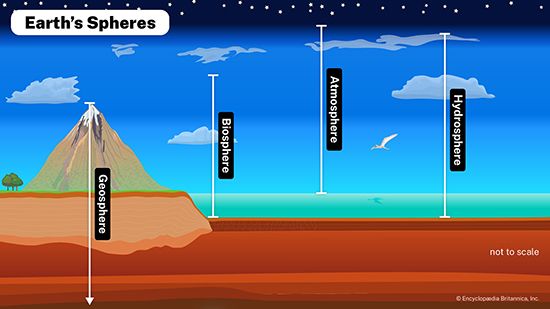
These events cause drastic changes to the biosphere, often triggered by catastrophic phenomena such as asteroid impacts, widespread volcanism, or rapid climatic changes. While extinction is a natural, ongoing process, mass extinctions represent a sudden, massive collapse of biological communities. In their aftermath, surviving species often adapt to fill abandoned ecological niches, fundamentally altering the course of life on Earth.12
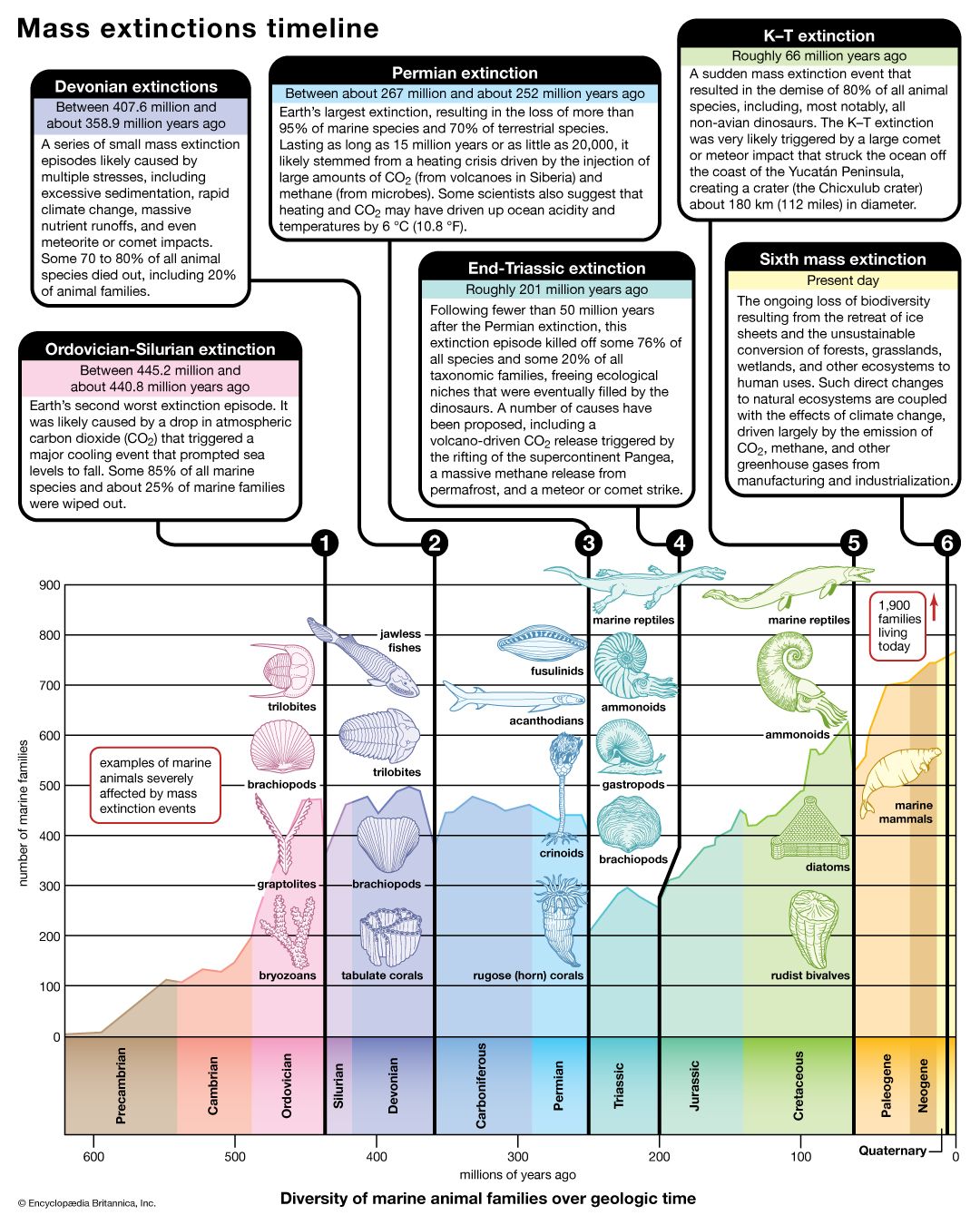
Historically, scientists have identified five major mass extinctions, including the devastating Permian-Triassic extinction and the well-known Cretaceous-Paleogene event. Currently, evidence suggests we are in the midst of a sixth mass extinction driven by human activities, such as habitat destruction, pollution, and global warming. Protecting our planet’s remaining biodiversity is an urgent ethical imperative for both institutions and individuals.32
How is a mass extinction event different from regular extinction?
The primary difference between a mass extinction event and regular, or “background,” extinction lies in the scale, speed, and impact of the species loss.
Background Extinction
Extinction is a natural, ongoing process where individual species die out due to environmental pressures or evolutionary factors, such as poor reproduction or genetic inbreeding. The “background extinction rate”—the continual, baseline loss of species—is relatively low, typically estimated at one to five species per year.34
Mass Extinction Events
In contrast, a mass extinction event is an extremely rare, catastrophic occurrence characterized by several distinct features:34
- Magnitude: A significant portion of Earth’s species—often 75 percent or more—is lost.3
- Geographic Scope: These events affect species across a wide geographic area, rather than being localized.34
- Time Frame: The loss occurs within a relatively short span of geologic time.34
- Mechanisms: Unlike background extinctions, mass extinctions are often triggered by massive, sudden phenomena such as asteroid impacts, widespread volcanism, or rapid climatic changes.34
These events cause a collapse of biological communities, fundamentally altering the biosphere and creating new ecological niches for surviving species to fill.34
What are some known mass extinction events in Earth’s history?
Throughout Earth’s history, there have been five major mass extinction events that significantly altered the course of life by eliminating a vast number of species in a relatively short period of geologic time.27
The Five Major Mass Extinctions
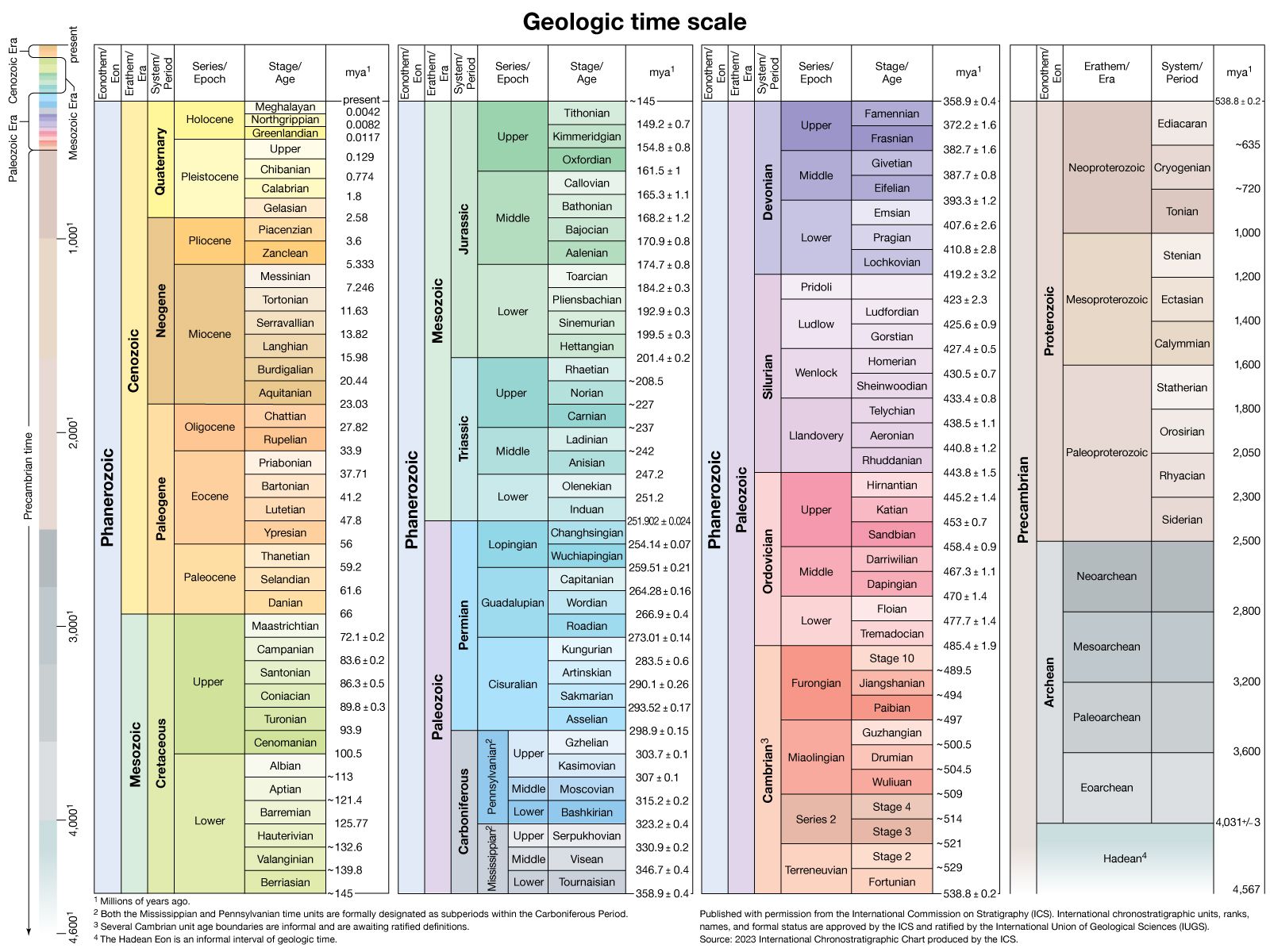
- Ordovician-Silurian extinction (approx. 443.8 million years ago): This event eliminated about 85 percent of marine species, likely driven by drastic fluctuations in temperature and sea levels caused by silicate weathering and ice sheet cycles.27
- Late Devonian extinction (approx. 407.6–358.9 million years ago): A series of events that wiped out 70–80 percent of all animal species, potentially due to ocean anoxia, global cooling, or nutrient runoff.287
- Permian-Triassic extinction (approx. 252 million years ago): Known as the “Great Dying,” this was the most severe event, killing at least 80–90 percent of all species. It was likely caused by massive volcanic activity in the Siberian Traps and extreme climate shifts.27
- Late Triassic extinctions (approx. 201.3 million years ago): This event caused the loss of about 76 percent of species, clearing ecological niches that allowed dinosaurs to become dominant.27
- Cretaceous-Paleogene (K-Pg) extinction (approx. 66 million years ago): Famous for the extinction of non-avian dinosaurs, this event eliminated about 67–80 percent of species, largely attributed to a massive asteroid impact.297
Currently, scientists warn that a sixth mass extinction is underway, driven by human activities such as habitat destruction and climate change.27
What causes mass extinction events to happen?
Mass extinction events are rare, catastrophic occurrences that result in the loss of a significant portion of Earth’s species across a wide geographic area within a relatively short geologic time frame. These events are typically triggered by a single major phenomenon or a combination of overlapping environmental stressors.234
Primary Causes of Mass Extinctions
- Volcanism: Massive volcanic eruptions, such as those that formed the Siberian Traps, can release vast quantities of greenhouse gases and ash. This can lead to rapid global warming, ocean acidification, and the disruption of food chains by blocking sunlight.212
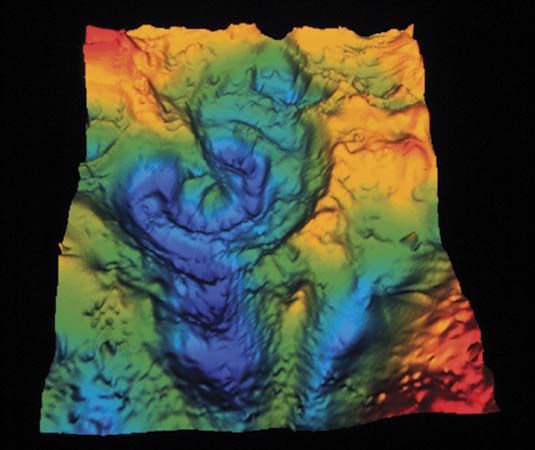
- Extraterrestrial Impacts: The collision of large asteroids or comets with Earth can cause immediate, widespread destruction. The resulting heat, dust, and soot can block sunlight for extended periods, forcing the collapse of global ecosystems, as is widely believed to have occurred during the Cretaceous-Paleogene extinction.210
- Climatic and Atmospheric Changes: Fluctuations in temperature, sea levels, and the carbon cycle are major drivers. For example, silicate weathering can sequester carbon dioxide, leading to global cooling and ice sheet expansion, while other periods are marked by ocean anoxia (insufficient oxygen) caused by warming or nutrient runoff.24
- Geographic and Tectonic Shifts: The formation of supercontinents, such as Pangea, can drastically reduce shallow-water habitats and alter ocean currents, creating environmental conditions that many species cannot survive.312
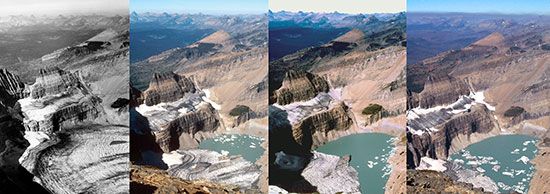
Currently, a sixth mass extinction is underway, driven by human activities such as habitat loss, pollution, and climate change, which are occurring at rates far faster than most natural historical events.213
Sources
- mass extinction — Merriam-Webster
- Major Mass Extinctions — Encyclopædia Britannica
- mass extinction event — Encyclopædia Britannica
- extinction — Encyclopædia Britannica
- conservation - Calculating relative rates of extinction — Encyclopædia Britannica
- conservation - Terrestrial hot spots — Encyclopædia Britannica
- Silurian Period - Late Ordovician mass extinction — Encyclopædia Britannica
- Permian Period - Temperature crises — Encyclopædia Britannica
- Cretaceous Period - Mass extinction — Encyclopædia Britannica
- Devonian extinctions — Encyclopædia Britannica
- Triassic Period - End-Triassic extinctions — Encyclopædia Britannica
- Asteroid - Origin and evolution of the asteroids — Encyclopædia Britannica
- plate tectonics - Extinction — Encyclopædia Britannica
Published on · 4 min read