Eyzies-de-Tayac Caves
The Les Eyzies-de-Tayac area in southwestern France is home to some of the most significant archaeological sites from the Paleolithic Period. These sites…
What are some of the most important caves discovered in the Les Eyzies-de-Tayac area?
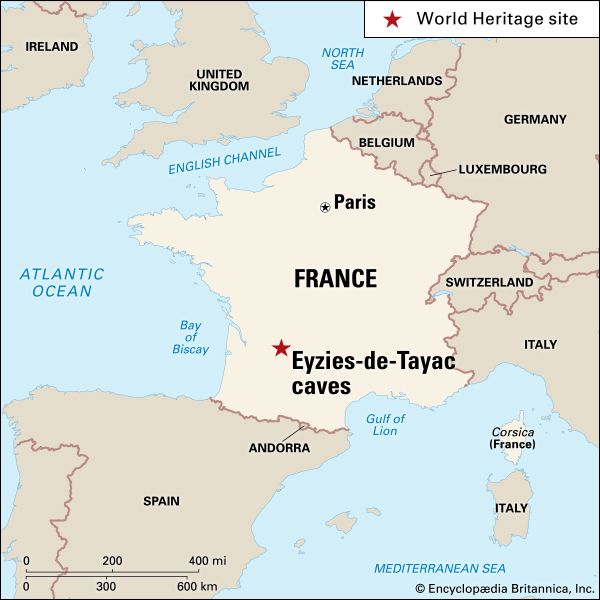
The Les Eyzies-de-Tayac area in southwestern France is home to some of the most significant archaeological sites from the Paleolithic Period. These sites, located in the Vézère valley, were collectively designated a World Heritage site in 1979.1
Key sites in the region include:
- Font-de-Gaume: A cave renowned for its extensive and intricate multicoloured animal drawings.1
- La Madeleine: A rock shelter that serves as the type site for the Magdalenian culture, where significant bone and antler tools were discovered.1
- Le Moustier: The type site for the Mousterian industry, which provided evidence of deliberate burials by Neanderthals.1
- Grand Roc: Notable for its impressive displays of stalactites and stalagmites.1
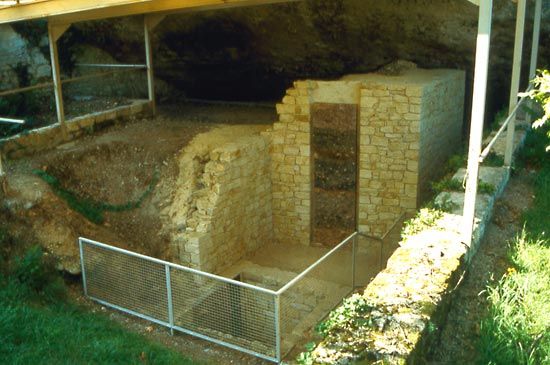
- Cro-Magnon: A local rock shelter where the first Cro-Magnon skeleton was unearthed in 1868.1
Due to preservation concerns, such as algal growth caused by artificial lighting, several sites, including the Grotte des Eyzies and the Cro-Magnon shelter, have been closed to the public.1
How has the Eyzies-de-Tayac site contributed to our knowledge of Paleolithic art and culture?
The Eyzies-de-Tayac caves are foundational to our understanding of Paleolithic life, serving as a primary site for studying both Middle and Upper Paleolithic cultures.1
Contributions to Paleolithic Culture
- Human Evolution: The 1868 discovery of Cro-Magnon skeletons provided critical evidence of early Homo sapiens in Europe. These findings revealed a culture capable of sophisticated tool production, including burins and bone implements, and established that these early humans practiced ritualized burial.12
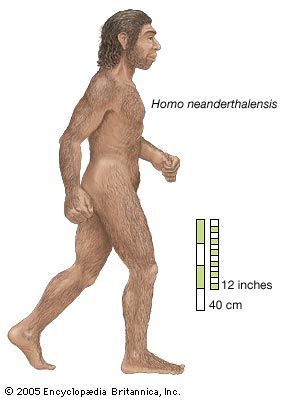
- Neanderthal Studies: The site of Le Moustier is the type site for the Mousterian industry, offering clear evidence of deliberate Neanderthal burials, which has significantly shaped our view of their social and symbolic behavior.1
- Technological Advancement: Excavations at La Madeleine defined the Magdalenian culture, highlighting a transition toward advanced bone and antler tool technology, such as harpoons and eyed needles, which supported a semi-settled lifestyle.134
Insights into Paleolithic Art
The region’s decorated grottoes, such as Font-de-Gaume, demonstrate the high level of artistic sophistication achieved during the Upper Paleolithic. Artists utilized the cave’s natural relief to create three-dimensional effects and employed polychrome techniques to depict animals with remarkable realism. These works, ranging from engravings to complex wall paintings, suggest that art served significant aesthetic, religious, or ritualistic purposes, such as “sympathetic magic” intended to ensure food abundance.1532
How old are the oldest human remains discovered in the Eyzies-de-Tayac caves?
The human remains discovered in the rock shelter at Cro-Magnon, located near Les Eyzies-de-Tayac, were found in the topmost archaeological layer and have been dated to between 10,000 and 35,000 years ago.3
While these specific remains are associated with the Upper Paleolithic Period, the broader Eyzies-de-Tayac caves region contains archaeological evidence spanning much further back, including the Middle Paleolithic Period, which dates from approximately 200,000 to 40,000 years ago. Sites such as Le Moustier have provided significant evidence of Neanderthal activity, including deliberate burials, which predate the Cro-Magnon findings.13
What types of prehistoric artifacts and remains have been found in the Eyzies-de-Tayac caves?
The Eyzies-de-Tayac caves have yielded a vast array of artifacts and remains that provide a comprehensive record of both Middle and Upper Paleolithic life.
Archaeological Finds and Tools
- Middle Paleolithic: The site of Le Moustier is the type site for the Mousterian industry, characterized by stone tools associated with Neanderthals. Excavations here have also produced significant Neanderthal skeletal remains, including those of an adolescent and a newborn, which have offered insights into their biological development.17
- Upper Paleolithic: The region is the primary site for the Magdalenian culture, defined by a sophisticated shift toward bone and antler technology. Artifacts include harpoons, eyed needles, spear throwers, and bâtons de commandement. Stone tool assemblages from this period feature burins, scrapers, and geometric microliths. Earlier Aurignacian and Gravettian influences are also present, represented by retouched blades and specialized scrapers.1364
Human Remains and Symbolic Culture
- Cro-Magnon: The 1868 discovery of Cro-Magnon skeletons confirmed the presence of early Homo sapiens in the region. These remains, along with evidence of deliberate burials, highlight the complex social and ritualistic behaviors of these prehistoric populations.14
- Artistic Expression: The caves are renowned for their extensive cave art, including polychrome paintings and engravings of animals found at sites like Font-de-Gaume. Beyond wall art, the culture produced portable art, such as carved statuettes and decorated tools, which likely held aesthetic, religious, or ritualistic significance.146
Sources
- Eyzies-de-Tayac caves — Encyclopædia Britannica
- Font-de-Gaume — Encyclopædia Britannica
- Cro-Magnon — Encyclopædia Britannica
- Magdalenian culture — Encyclopædia Britannica
- Neanderthal - First discoveries — Encyclopædia Britannica
- Stone Age - Magdalenian — Encyclopædia Britannica
- Le Moustier — Encyclopædia Britannica
Published on · 3 min read