Font-de-Gaume
The area surrounding Font-de-Gaume near Les Eyzies-de-Tayac is exceptionally rich in prehistoric archaeological sites, collectively recognized as a UNESCO…
What other archaeological finds have been made in or near Font-de-Gaume?
The area surrounding Font-de-Gaume near Les Eyzies-de-Tayac is exceptionally rich in prehistoric archaeological sites, collectively recognized as a UNESCO World Heritage site.1
Significant finds in the immediate vicinity include:
- Les Combarelles: A cave famous for hundreds of Magdalenian engravings, including animals and rare humanlike figures known as anthropomorphs.2
- La Madeleine: A rock shelter that serves as the type site for the Magdalenian culture, where researchers recovered numerous bone and antler tools.1
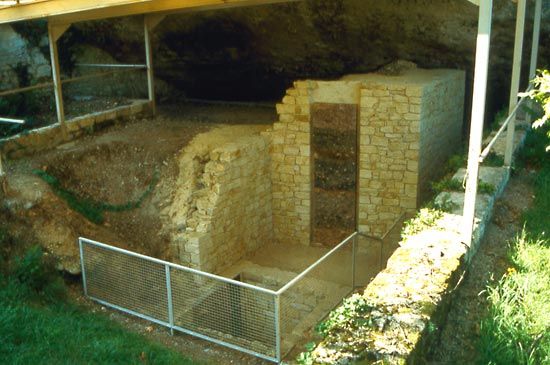
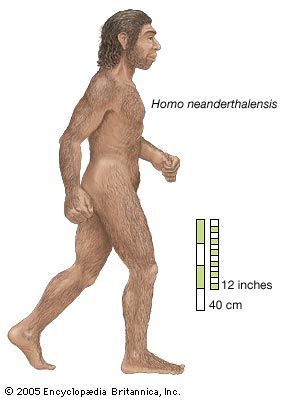
- Le Moustier: The type site for the Mousterian industry, which provided evidence of deliberate Neanderthal burials.1
- Cro-Magnon: A local rock shelter where the first Cro-Magnon skeleton was discovered in 1868.1
- Grand Roc: A site noted for its impressive display of stalactites and stalagmites.1
These sites, along with approximately 150 others in the Vézère valley, represent some of the most significant evidence of human activity during the Paleolithic Period.1
How was Font-de-Gaume discovered, and who first studied its prehistoric art?
While the Font-de-Gaume cave was known to locals, its significance as a site of prehistoric wall paintings was not recognized until 1901.2
Although early excavations in the Les Eyzies-de-Tayac region were conducted by Édouard Lartet and Henry Christy beginning in 1862, these efforts primarily focused on recovering flint and bone tools rather than identifying the cave’s artistic contents. The recognition of the cave’s Magdalenian art—which includes approximately 230 figures such as bison, horses, and mammoths—occurred decades after Lartet and Christy’s initial work in the area.12
What is Font-de-Gaume and where is it located in France?
Font-de-Gaume is a cave located near Les Eyzies-de-Tayac in the Dordogne department of southwestern France. Situated in the Vézère valley—a region renowned for its significant concentration of prehistoric sites—the cave is celebrated for its extensive collection of Paleolithic wall paintings.22
Discovered as a site of artistic importance in 1901, the cave features a high, narrow main gallery and several side passages containing approximately 230 engraved and painted figures. These include depictions of bison, horses, mammoths, reindeer, and a woolly rhinoceros. Most of these works date to the mid-Magdalenian Period, approximately 14,000 years ago. The artists notably utilized the cave’s natural relief to provide their work with a three-dimensional quality, often layering images to create a chronological sequence of artistic development.4
How does Font-de-Gaume compare to other prehistoric cave art sites in the Dordogne region?
Font-de-Gaume is part of a dense cluster of prehistoric sites in the Vézère valley, which collectively form a UNESCO World Heritage site. While many caves in the region share a Magdalenian origin, they are distinguished by their specific artistic focus:2
- Font-de-Gaume: Renowned for its lavish wall paintings, it features approximately 230 figures, including polychrome depictions of bison and mammoths that utilize the cave’s natural relief for a three-dimensional effect.1
- Les Combarelles: Located nearby, this site is primarily famous for its hundreds of engravings rather than paintings. It is particularly notable for its “anthropomorphs” (humanlike figures), which are less common in other regional caves.3
- La Madeleine: This site serves as the “type site” for the Magdalenian culture, having yielded significant bone and antler tools rather than the wall art found at Font-de-Gaume.2
- Le Moustier: Unlike the Upper Paleolithic art sites, this is the type site for the Mousterian industry, associated with Neanderthals and evidence of deliberate burials.2
Sources
- Eyzies-de-Tayac caves — Encyclopædia Britannica
- Font-de-Gaume — Encyclopædia Britannica
- Les Combarelles — Encyclopædia Britannica
- Dordogne River — Encyclopædia Britannica
- France - The Massif Central — Encyclopædia Britannica
- Niaux — Encyclopædia Britannica
Published on · 3 min read