Loir River
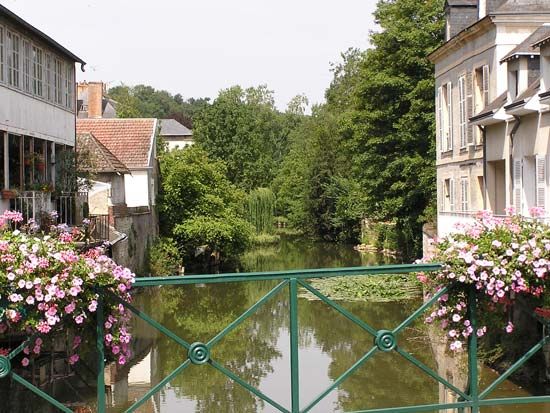
The Loir River is a river located in northwest-central France. It is an affluent of the Sarthe River and should not be confused with the much larger Loire…
What is Loir River?
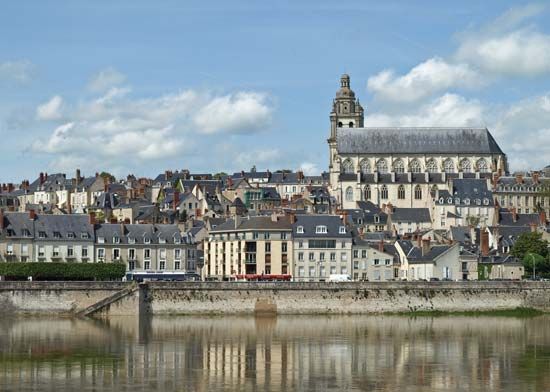
The Loir River is a river located in northwest-central France. It is an affluent of the Sarthe River and should not be confused with the much larger Loire River, which flows through cities like Blois.12
Rising north of Illiers, the Loir flows west-southwest for 193 miles (311 km). Its course passes through Châteaudun and Vendôme, eventually entering a picturesque valley known for its historical troglodyte habitations. The river continues through La Flèche before joining the Sarthe north of Angers.1
The Loir drains a basin of approximately 2,700 square miles (7,000 square km) and maintains an average annual discharge of 35 cubic meters per second. Of its total length, about 70 miles (114 km) are navigable.1
What is the difference between the Loir and the Loire rivers?
The Loir and the Loire are distinct rivers in France that are frequently confused due to their similar names. The primary differences lie in their scale, course, and drainage systems:
Feature
Loir River
Loire River
Length
193 miles (311 km)
634 miles (1,020 km)
Status
Affluent of the Sarthe River
Longest river in France
Drainage Basin
~2,700 sq miles (7,000 sq km)
~45,000 sq miles (117,000 sq km)
Primary Course
Northwest-central France; flows west-southwest
Rises in Massif Central; flows north and west to the Atlantic
Key Characteristics
Known for troglodyte habitations
Famous for its valley châteaux and historical
levées
While the Loir is a smaller tributary that eventually joins the Sarthe north of Angers, the Loire River is a major waterway that flows through cities like Orléans and Nantes before reaching the Atlantic Ocean.13
What are troglodyte habitations?
Troglodyte habitations refer to dwellings constructed within caves or rock shelters, a practice historically associated with various peoples who lived in such environments. The term derives from the Greek trōglē (hole or cave) and dyein (to enter).4
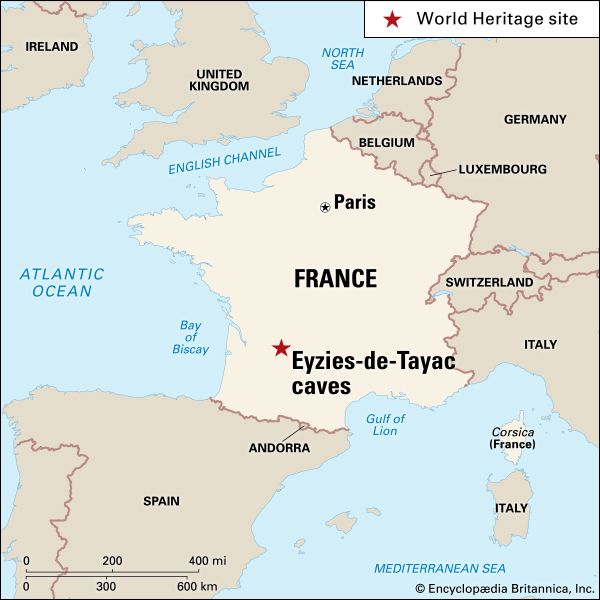
While the term is sometimes used metaphorically to describe individuals with reclusive or outdated attitudes, in an archaeological context, it refers to significant sites of human habitation. For example, the Eyzies-de-Tayac caves in France contain extensive evidence of occupation during the Paleolithic Period. These sites, which include rock shelters and grottoes, have provided invaluable insights into early human history, such as the discovery of Cro-Magnon remains and Neanderthal tool cultures like the Mousterian industry.456
These habitations are often protected as World Heritage sites due to their archaeological importance, though they face ongoing preservation challenges from environmental factors and tourism.6
What are the main tributaries of the Sarthe River?
The Sarthe River has two primary tributaries identified in the provided records:
Sources
- Loir River — Encyclopædia Britannica
- Blois — Encyclopædia Britannica
- Loire River — Encyclopædia Britannica
- Eyzies-de-Tayac caves — Encyclopædia Britannica
- troglodyte — Merriam-Webster
- troglodyte — Merriam-Webster
- Sarthe River — Encyclopædia Britannica
- Pays de la Loire — Encyclopædia Britannica
- Mayenne River — Encyclopædia Britannica
Published on · 2 min read