Falster
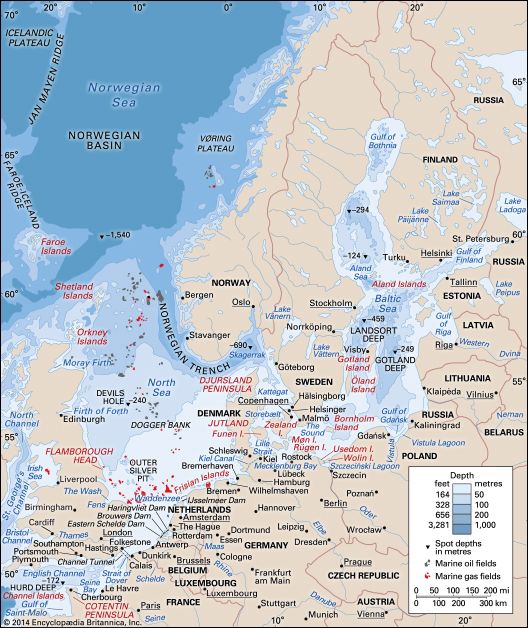
Falster is an island located in Denmark within the Baltic Sea. Covering an area of 198 square miles (514 square km), the island is characterized by its flat…
What is Falster?
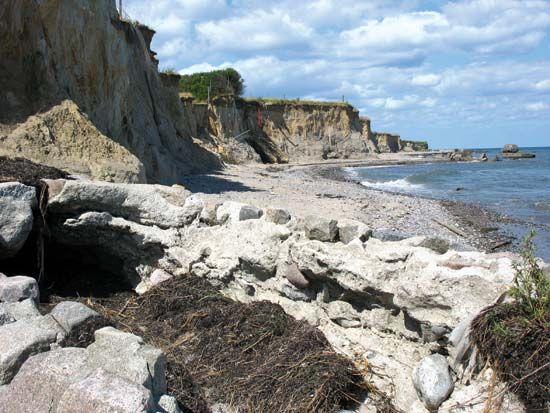
Falster is an island located in Denmark within the Baltic Sea. Covering an area of 198 square miles (514 square km), the island is characterized by its flat terrain, featuring forests in its center and along the east coast.12
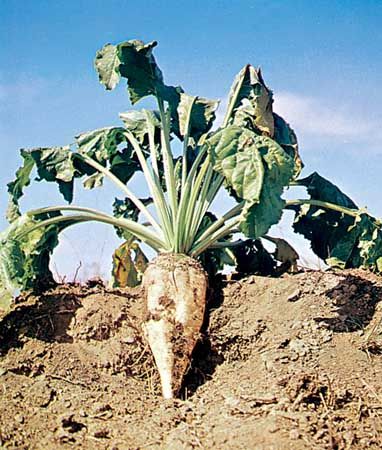
The island is connected to the neighboring islands of Zealand and Lolland by several bridges. Its southern tip, Gedser Odde, holds the distinction of being the southernmost point in Denmark. Due to its fertile soil, the island’s economy is supported by the cultivation of grain and sugar beets. The primary population center on the island is Nykøbing Falster.1
What is the significance of Gedser Odde being the southernmost point of Denmark?
The significance of Gedser Odde lies primarily in its status as the southernmost point of Denmark. Located on the island of Falster, this geographical marker serves as a definitive boundary for the nation’s territory within the Baltic Sea.
While the provided information confirms its role as a key geographic coordinate, it does not attribute specific cultural, historical, or economic significance to this location beyond its status as a landmark. The surrounding region of Falster is noted for its flat terrain and fertile soil, which supports local agriculture, but the specific southernmost tip is primarily recognized for its unique position in the Danish archipelago.1
How do bridges connect Falster to the neighboring islands of Zealand and Lolland?
Falster is connected to the neighboring islands of Zealand and Lolland by several bridges, which facilitate the close social and agricultural ties between these regions.1
While the Danish transportation network is renowned for major engineering projects like the Great Belt Fixed Link and the Øresund Link, the specific technical details or names of the bridges connecting Falster to its immediate neighbors are not provided in the current search results.56
What role does agriculture play in the economy of Danish islands?
Agriculture remains a vital component of the economy across Denmark, including its islands. While the national economy has shifted toward industrial products and services, the soil continues to be one of the country’s most important raw materials.78
On islands like Falster, the fertile soil is specifically utilized for the cultivation of sugar beets and various grains. Nationally, more than half of Denmark’s cultivated land is dedicated to cereals, such as barley and wheat.79
The agricultural sector is characterized by:
- Animal Husbandry: The raising of dairy cattle, pigs, and poultry is a significant feature of Danish life, supplying both domestic and foreign markets.7
- Modern Operations: Farms are generally small or medium-sized family-owned enterprises that rely on scientific animal husbandry and fertilization to maintain viability.7
- Economic Support: The sector benefits from subsidies provided by the European Union.7
- Export Value: Agricultural goods, including meat and dairy products, remain important exports alongside the country’s robust fishing industry.78
Sources
- Falster — Encyclopædia Britannica
- Falster — Merriam-Webster
- Denmark - Climate of Denmark — Encyclopædia Britannica
- list of World Heritage sites - Denmark — Encyclopædia Britannica
- Great Belt — Encyclopædia Britannica
- Denmark - Transportation and telecommunications — Encyclopædia Britannica
- Denmark - Agriculture and fishing — Encyclopædia Britannica
- Denmark - Settlement patterns — Encyclopædia Britannica
- Denmark - Manufacturing — Encyclopædia Britannica
- Denmark - Trade — Encyclopædia Britannica
Published on · 2 min read