Lolland
Lolland is an island located in the Baltic Sea and is part of Denmark. It is situated south of the island of Zealand, from which it is separated by the…
What is the geographical location and size of Lolland island in Denmark?
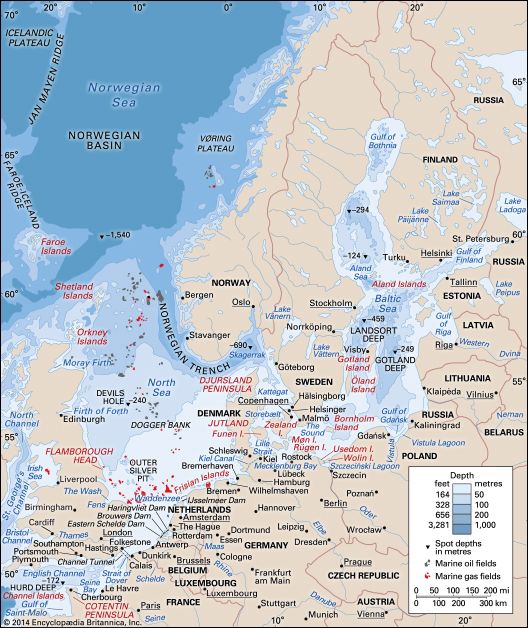
Lolland is an island located in the Baltic Sea and is part of Denmark. It is situated south of the island of Zealand, from which it is separated by the Smålandsfarvandet Sound.
Regarding its size, Lolland covers an area of 480 square miles (1,243 square km), making it the fourth-largest island in the Danish archipelago.1
How is Lolland connected to other parts of Denmark, and what transportation options are available?
Lolland is connected to the rest of Denmark and international destinations through a combination of road, rail, and maritime infrastructure. While the Great Belt Fixed Link provides a vital bridge and tunnel connection between the islands of Zealand and Funen, Lolland itself relies on regional transit networks to link its principal towns, such as Maribo and Nakskov, to the broader Danish transport system.13
For international travel, the town of Rødbyhavn serves as a significant transportation hub, hosting a major ferry line that connects the island directly to Germany. This maritime link is a key component of the island’s connectivity, facilitating both passenger and commercial traffic between Denmark and continental Europe.1
What unique cultural or natural attractions can be found on Lolland island?
Lolland offers a variety of cultural and natural attractions that reflect its rich history and unique landscape.
Cultural Heritage
The island is home to several historic estates and castles that showcase Danish architectural history:
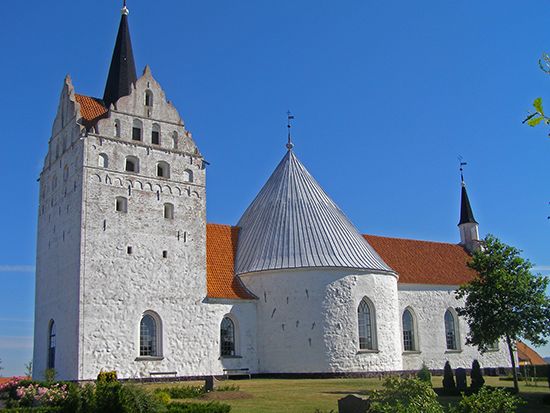
- Ålholm Castle: Located in Nysted, this site served as a royal residence in the 12th century and currently houses a Veteran Car Museum.1
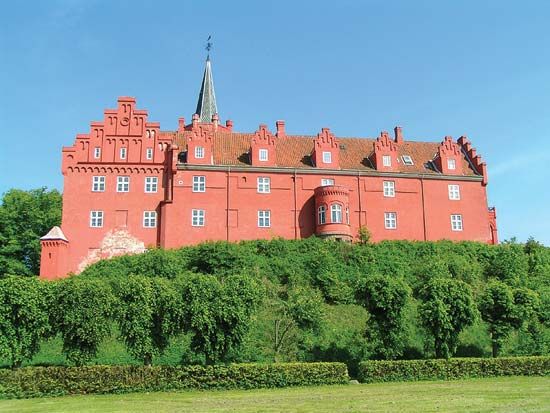
- Knuthenborg: Established in 1866, this estate is notable for its expansive grounds, which now feature a zoological garden.1
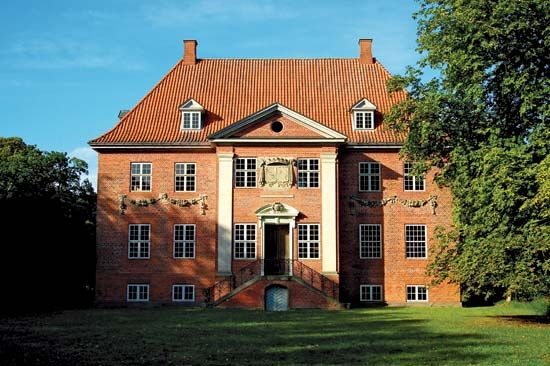
- Christianssæde: A significant manor house dating back to 1690.1
Natural Features
Lolland’s geography provides distinct natural experiences:
- Diverse Terrain: The island features forests in the north and east, while the southern coastal regions consist of marshy areas protected by dikes and sand dunes.1
- Coastal Fjords: The island’s irregular coastline is defined by the Sakskøbing and Nakskov fjords, which offer unique maritime scenery.1
The island’s fertile clay loams are also central to its identity, supporting a long-standing and thriving sugar-beet industry that shapes the local landscape.1
What are the three largest islands in Denmark?
The three largest islands in Denmark, ranked by land area, are as follows:
Rank
Island
Area (sq miles)
Area (sq km)
1
Zealand
2,715
7,031
2
Vendsyssel-Thy
1,809
4,685
3
Funen
1,152
2,984
Sources
- Lolland — Encyclopædia Britannica
- Langeland — Encyclopædia Britannica
- Great Belt — Encyclopædia Britannica
- Bornholm — Encyclopædia Britannica
- Vendsyssel-Thy — Encyclopædia Britannica
- Funen — Encyclopædia Britannica
- Zealand — Encyclopædia Britannica
- Denmark — Encyclopædia Britannica
Published on · 2 min read