Fan Si Peak
Fan Si Peak (also known as Fansipan) is the highest mountain in Vietnam, reaching an elevation of 10,312 feet (3,143 metres). Located in the Lao Cai…
What is Fan Si Peak?
Fan Si Peak (also known as Fansipan) is the highest mountain in Vietnam, reaching an elevation of 10,312 feet (3,143 metres). Located in the Lao Cai province, it is a prominent feature of the Fan Si–Sa Phin range, which stretches approximately 19 miles (31 km) between the Red River and the Black River.1
The range is characterized by significantly steeper slopes on its western side compared to the east. The nearby village of Sa Pa, situated southwest of the city of Lao Cai, historically served as a popular French summer resort and remains the primary base for those attempting to climb the mountain.1
What is the climate like in the Hoang Lien Son mountain range?
The Hoang Lien Son mountain range, which includes Fan Si Peak, is located in northern Vietnam. While the provided search results do not contain specific climate data for the Hoang Lien Son range itself, they do outline the general climate of Vietnam.
Northern Vietnam experiences a winter season from November to April, characterized by cooler temperatures and, between February and March, a persistent drizzle. The summer season, lasting from May to October, is marked by heat, heavy rainfall, and occasional typhoons. Because the region is situated on the edge of the tropical climatic zone, temperatures in northern highlands are generally lower than in the lowland areas or the southern parts of the country.
What kind of wildlife lives in the mountains of Vietnam?
The mountainous regions of Vietnam support a diverse array of wildlife, particularly within the dense, broad-leaved evergreen and semi-evergreen forests of the central highlands.4
Mammals
The forests are home to a variety of large and small mammals:
- Large Predators: Tigers, leopards, and snow leopards (ounces) inhabit these regions.4
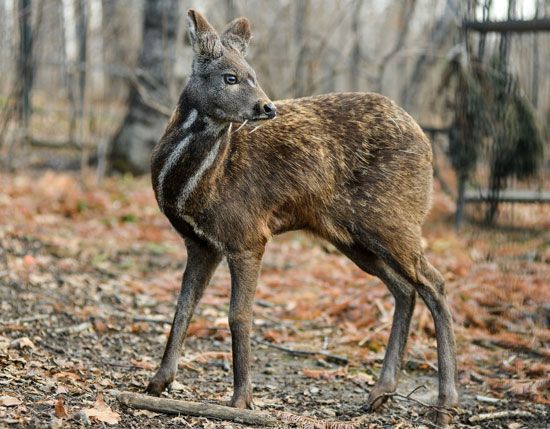
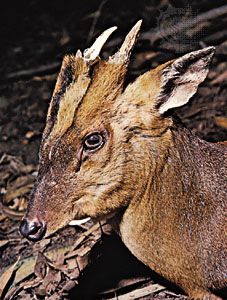
- Ungulates and Wild Oxen: Several species of wild oxen, such as gaurs and koupreys, are present. Deer populations are plentiful, including the musk deer and muntjac (barking deer).4
- Rare Discoveries: In the 1990s, researchers discovered three unique hoofed mammals: the saola, giant muntjac, and Truong Son muntjac.4
- Primates and Others: The forests host various primates, including langurs, macaques, gibbons, and rhesus monkeys. Other notable species include bears (black and sun bears), binturongs, palm civets, elephants, tapirs, and various smaller animals like porcupines, otters, and flying squirrels.4
Reptiles and Birds
Reptiles found in these habitats include crocodiles near lakes and riverbanks, as well as various lizards, pythons, and cobras. Additionally, the region is home to a vast diversity of bird life, with approximately 600 species identified in southern Vietnam alone.4
Why was Sa Pa a popular resort during the French colonial period?
During the French colonial period, the village of Sa Pa served as a noted summer resort for the French. While the provided search results do not explicitly detail the specific reasons for its popularity, such colonial hill stations were typically established by the French in Vietnam to escape the intense heat and humidity of the lowlands, taking advantage of the cooler, more temperate climate found at higher elevations in the mountains.1
Additionally, Sa Pa’s strategic location near Fan Si Peak—the highest mountain in Vietnam—made it a primary base for those interested in climbing and exploring the rugged terrain of the region.1
Sources
- Fan Si Peak — Encyclopædia Britannica
- Vietnam - Climate of Vietnam — Encyclopædia Britannica
- Annamese Cordillera — Encyclopædia Britannica
- Vietnam - Plant and animal life — Encyclopædia Britannica
- Treaty of Saigon — Encyclopædia Britannica
- Vietnam - The conquest of Vietnam by France — Encyclopædia Britannica
Published on · 2 min read