Fescue
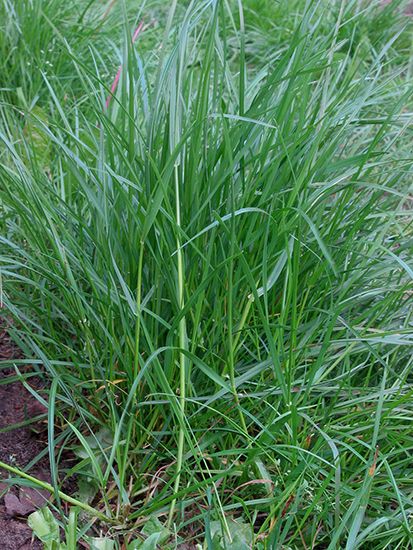
Fescue (genus Festuca) is a large group of grasses in the family Poaceae, native to temperate and cold regions worldwide. These plants are either annuals or…
What is fescue and what are its main characteristics as a plant?
Fescue (genus Festuca) is a large group of grasses in the family Poaceae, native to temperate and cold regions worldwide. These plants are either annuals or perennials and typically grow in tufted or clumping forms, though some species spread via stolons or rhizomes.1
Key characteristics include:
- Leaf Structure: The genus is divided into “fine-leaved” types with needlelike leaves and “broad-leaved” types with straplike leaves.1
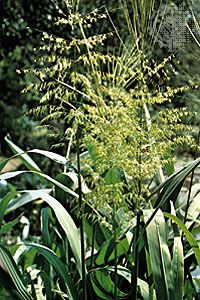
- Reproduction: They produce wind-pollinated, bisexual flowers on tall, branching clusters known as panicles, which develop into feathery seed heads.1
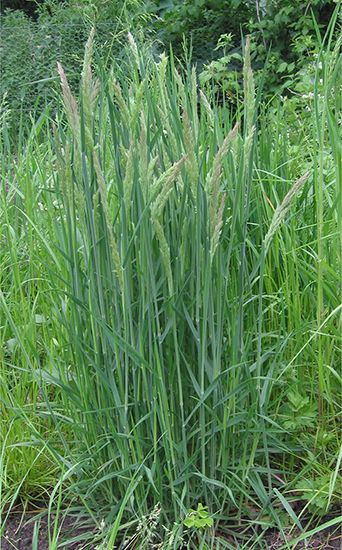
- Utility: Many species serve as important pasture and fodder grasses. Certain varieties, such as tall fescue, are effective for erosion control due to their ability to outcompete other plants on bare ground.1
- Horticulture: Several species, including red fescue, are commonly used in turf and lawn mixtures for their aesthetic and functional qualities.12
What are the different types of fescue grass commonly found in lawns and landscapes?
Several types of fescue are commonly utilized in lawns and landscapes, each offering distinct characteristics for turf and ornamental use:
- Red Fescue (Festuca rubra): A perennial grass native to Eurasia and North America, it is frequently included in lawn grass mixtures. It is known for its creeping rootstocks and reddish sheaths.13
- Tall Fescue (Festuca arundinacea): Often used for erosion control, this robust species is highly effective at outcompeting other plants on bare ground.1
- Sheep Fescue (Festuca ovina): This fine-leaved, tufted grass is well-adapted to dry or sandy soils and is often found on mountainsides.1
- Hard Fescue (Festuca ovina duriuscula): A variety of sheep fescue, this European grass is sometimes incorporated into permanent pasture and lawn mixtures.4
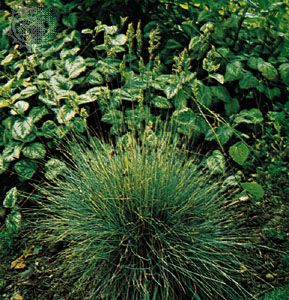
- Blue Fescue (Festuca glauca): Valued primarily for its aesthetic appeal, this species features smooth, silvery leaves and is a popular choice for ornamental borders.1
How is fescue grass used in agriculture and livestock farming?
Fescue grasses play a significant role in agriculture and livestock management, primarily serving as reliable sources of nutrition for grazing animals. Several species are cultivated specifically for their utility in these environments:
- Pasture and Fodder: Certain species are highly valued as pasture and fodder grasses. For example, meadow fescue (Schedonorus pratensis) is commonly used for both fodder and as a permanent pasture grass due to its growth habit and nutritional profile.1
- Hardy Forage: Sheep fescue (Festuca ovina) is recognized as a hardy, fine-foliaged grass that is widely utilized as a pasture grass, particularly in environments where other species might struggle.15
- Widespread Utility: Tall fescue (Schedonorus arundinaceus) is another Old World species that has become widespread in North America. Beyond its use as forage, it is noted for its ability to grow on bare ground and outcompete other plants, which provides secondary agricultural benefits such as erosion control in fields and surrounding landscapes.16
What are some common misconceptions about fescue grass in landscaping and lawn care?
A common misconception regarding fescue is the belief that all species are uniform in their growth habits and utility. In reality, the genus Festuca is diverse, containing both “fine-leaved” plants with needlelike foliage and “broad-leaved” plants with straplike leaves.1
Another frequent misunderstanding involves the classification of these grasses. Because the genus has undergone numerous taxonomic revisions, it remains a contentious group among botanists. For instance, species once categorized under Festuca, such as meadow fescue (Schedonorus pratensis) and tall fescue (Schedonorus arundinaceus), are now often classified under the genus Schedonorus.1
Additionally, while some homeowners assume all fescues are strictly for lawn use, their roles are highly specialized. While red fescue is commonly found in lawn mixtures, other varieties like blue fescue are primarily ornamental, and tall fescue is frequently utilized for erosion control due to its ability to outcompete other plants on bare ground. Understanding these distinctions is essential for selecting the right grass for specific landscape needs.1
Sources
- fescue — Encyclopædia Britannica
- turf — Encyclopædia Britannica
- red fescue — Merriam-Webster
- hard fescue — Merriam-Webster
- tall fescue — Merriam-Webster
- sheep fescue — Merriam-Webster
Published on · 3 min read