Velvet Grass
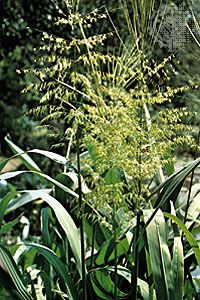
Velvet grass (Holcus lanatus) is a perennial grass belonging to the Poaceae family, native to Europe and Africa. It is named for the soft, velvety texture of…
What is Velvet grass?
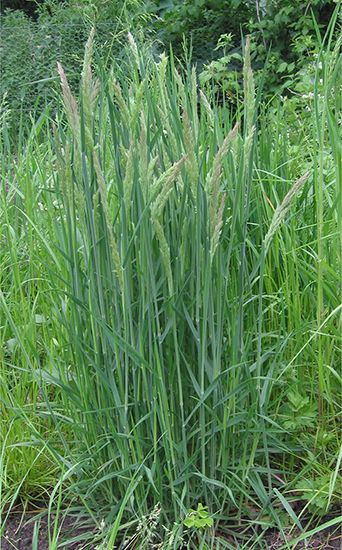
Velvet grass (Holcus lanatus) is a perennial grass belonging to the Poaceae family, native to Europe and Africa. It is named for the soft, velvety texture of its entire plant.12
Reaching heights of up to 1 meter (3.3 feet), this tufted grass features hollow stems and flat, hairy leaves that taper to a point. Its flower clusters can appear in shades of white, green, pink, or purple. The plant possesses shallow, fibrous roots and is capable of thriving in poor soils.1
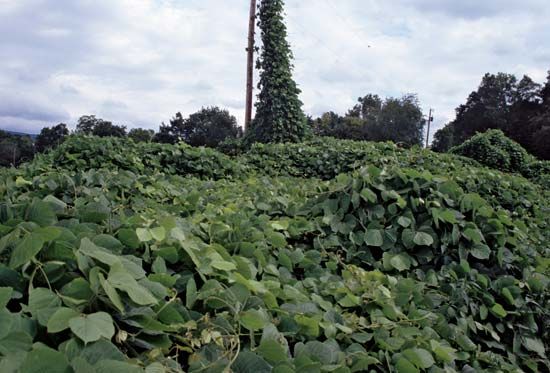
Although originally introduced to North America and Australia as a forage species, velvet grass is now commonly found growing as a weed in damp environments like ditches and stream banks. In several regions outside its native range, it is classified as an invasive species.12
What makes a plant an invasive species?
An invasive species is any nonnative organism that significantly disrupts or modifies the ecosystems it colonizes. While many introduced species fail to survive in new environments, those that become invasive typically possess a competitive advantage over indigenous species, such as the ability to thrive in the absence of natural predators.3
Plants and animals often become invasive through the following mechanisms:
- Resource Competition: Invasive species may outcompete native organisms for essential resources like food, water, sunlight, and living space. For example, the common buckthorn creates dense vegetation that blocks sunlight, displacing native flora.34
- Lack of Natural Controls: In new habitats, these species may lack the predators or diseases that kept their populations in check in their native ranges, allowing them to spread rapidly.3
- Environmental Modification: They can alter the physical environment or act as disease vectors, spreading pathogens that further harm native populations.3
- Human Activity: Global commerce and trade are primary drivers, as human activities frequently transport organisms to new habitats.35
These invasions often lead to reduced biodiversity and can cause the localized extinction of native species.3
How do perennial grasses differ from annual grasses?
The primary difference between perennial and annual grasses lies in their life cycle and how they survive from one growing season to the next.
- Annual Grasses: These plants complete their entire life cycle—germination, growth, flowering, and seed production—within a single growing season, after which the plant dies. They rely entirely on their seeds to persist into the next year. Examples include witchgrass and many common weeds.789
- Perennial Grasses: These plants live for an indefinite number of years. They are capable of regrowing and reblooming year after year, often surviving through cold seasons by using specialized underground structures like rhizomes or stolons. Because they do not need to be replanted annually, they often develop extensive root systems that help them stabilize soil and outcompete annual weeds. Switchgrass is a notable example of a perennial grass.710911
While some species are strictly one or the other, many genera, such as Panicum, contain both annual and perennial varieties.9
What are some other common types of forage grasses?
In addition to the various species of fescue (Festuca), which are widely utilized as pasture and fodder grasses, several other types of grasses are commonly used for forage:
- Timothy (Phleum pratense): A common forage grass often harvested for hay. It is valued for its nutritional profile, though its protein content can vary based on maturity and soil nitrogen levels.
- Sudan Grass (Sorghum sudanense): Another grass frequently used for hay production. Like timothy, it serves as a vital source of carbohydrates for livestock when fresh pasture is unavailable.
It is important to note that effective grazing systems typically rely on a combination of grasses and legumes. While grasses provide essential energy, legumes such as alfalfa and clover are critical for nitrogen fixation, which enriches the soil and improves the overall quality of the forage available to ruminants like cattle, horses, sheep, and goats.141516
Sources
- velvet grass — Encyclopædia Britannica
- velvet grass — Merriam-Webster
- invasive species — Encyclopædia Britannica
- conservation - Removing invasive species — Encyclopædia Britannica
- habitat loss — Encyclopædia Britannica
- invasive species - Solutions — Encyclopædia Britannica
- Is That Plant 'Perennial' or 'Annual'? — Merriam-Webster
- Perennial — Encyclopædia Britannica
- panicum — Encyclopædia Britannica
- Perennial agriculture — Encyclopædia Britannica
- Poaceae - Distribution and abundance — Encyclopædia Britannica
- Grassland - Biological productivity — Encyclopædia Britannica
- Annual — Encyclopædia Britannica
- fescue — Encyclopædia Britannica
- Fabaceae - Nitrogen fixation — Encyclopædia Britannica
- Feed - Pasture — Encyclopædia Britannica
- forestry - Range and forage — Encyclopædia Britannica
- Feed - Hay — Encyclopædia Britannica
Published on · 3 min read