Muhly
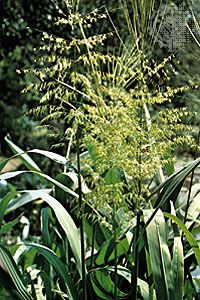
Muhly refers to any grass within the genus Muhlenbergia, a group comprising approximately 150 species of range grasses in the Poaceae family. Native to North…
What is Muhly?
Muhly refers to any grass within the genus Muhlenbergia, a group comprising approximately 150 species of range grasses in the Poaceae family. Native to North and South America, these perennial plants exhibit significant diversity in form, ranging from small, bushy plants to matlike or tufted varieties that can reach up to one meter in height.12
Key characteristics of the genus include:
- Reproduction: Each branch within a panicle (flower cluster) contains only a single floret.1
- Photosynthesis: Members utilize C₄ carbon fixation, a pathway that helps minimize photorespiration.1
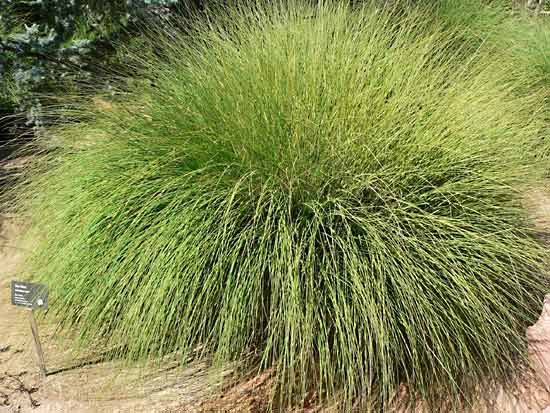
- Utility: While some species serve as livestock fodder—such as the highly palatable bush muhly (Muhlenbergia porteri)—others, like the pink muhlygrass (M. capillaris), are popular as garden ornamentals.1
What is C4 carbon fixation?
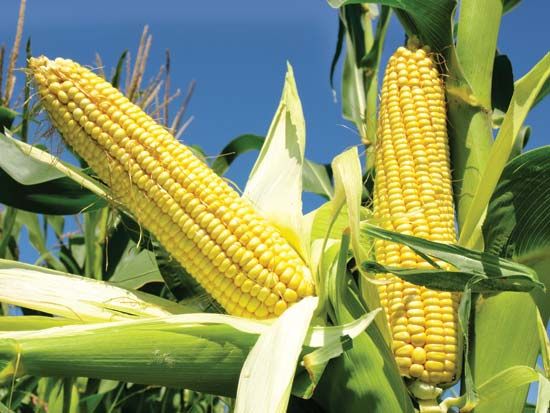
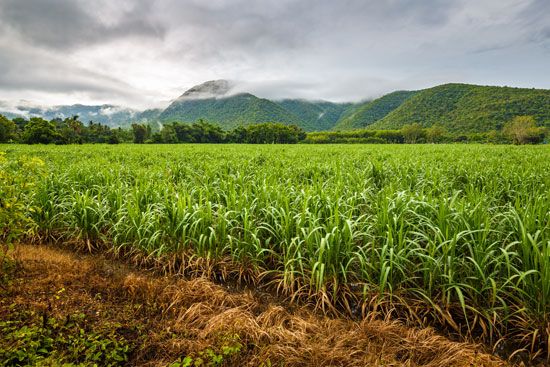
C₄ carbon fixation is a specialized photosynthetic mechanism that allows certain plants, such as corn and sugarcane, to thrive in hot, dry environments by minimizing photorespiration and water loss.34
How the Pathway Works
Unlike standard C₃ plants, which fix carbon directly into the Calvin-Benson cycle, C₄ plants utilize a spatial separation of processes between two types of cells:34
- Mesophyll Cells: Carbon dioxide is first fixed into a four-carbon acid called oxaloacetate by the enzyme PEP carboxylase. This enzyme is highly efficient and, unlike the common enzyme Rubisco, does not react with oxygen.34
- Bundle-Sheath Cells: The four-carbon product (often malate) is transported to bundle-sheath cells, where it is broken down to release a high concentration of CO₂. This concentrated CO₂ is then fed into the Calvin-Benson cycle, allowing Rubisco to function with high efficiency.34
Evolutionary Advantage
By concentrating CO₂ internally, C₄ plants can keep their stomata partially closed during hot, dry conditions to conserve water without sacrificing photosynthetic output. While this process requires extra ATP to recycle the necessary enzymes, the energy cost is offset by the significant reduction in photorespiratory waste.34
Why is pink muhlygrass popular in gardens?
Pink muhlygrass (Muhlenbergia capillaris), also known as hairawn muhly, is highly valued as a garden ornamental due to its aesthetic appeal and hardiness. As a member of the Poaceae family, it is a perennial grass that provides striking visual interest in landscaping, particularly when its feathery, cloud-like flower clusters appear.
Beyond its beauty, the plant is favored by gardeners for its efficiency. Like other members of the Muhlenbergia genus, it utilizes C₄ carbon fixation, a specialized photosynthetic pathway that allows it to thrive in various conditions by minimizing photorespiration. This biological adaptation makes it a robust and low-maintenance choice for many garden environments.
What are some other types of ornamental grasses?
Beyond the popular pink muhlygrass, many other grasses are utilized in landscaping for their aesthetic and functional qualities. These are often categorized by their growth habits and climate preferences:
- Blue Fescue (Festuca glauca): A popular choice for ornamental borders, this fescue is prized for its compact, tufted growth and distinct silvery-blue foliage.5
- Cool-Season Turf Grasses: These are frequently used for lawns and recreational surfaces. Common varieties include Kentucky bluegrass, creeping bent grass, and perennial ryegrass.6
- Warm-Season Turf Grasses: These thrive in warmer climates and are often used for durable ground cover. Examples include Bermuda grass, zoysia grass, and St. Augustine grass.6
- Erosion-Control Grasses: Some species, such as tall fescue (Festuca arundinacea), are selected for their ability to grow on bare ground and outcompete other plants, making them effective for stabilizing soil.5
Whether you are looking for fine-textured lawn coverage or structural ornamental accents, there is a wide variety of grasses available to suit different garden needs.
Sources
- muhly — Encyclopædia Britannica
- muhly — Merriam-Webster
- Photosynthesis - Carbon fixation in C 4 plants — Encyclopædia Britannica
- Plant - Specific variations in photosynthesis — Encyclopædia Britannica
- fescue — Encyclopædia Britannica
- turf — Encyclopædia Britannica
Published on · 3 min read