Ficus
Ficus trees are vital to tropical and subtropical ecosystems, primarily serving as keystone species that maintain biodiversity by providing critical…
How do Ficus trees contribute to ecosystem diversity in tropical and subtropical regions?
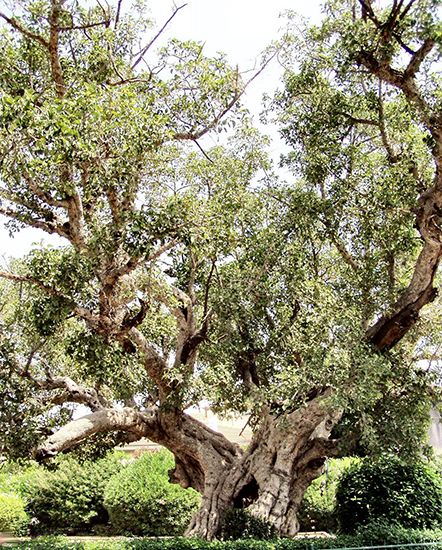
Ficus trees are vital to tropical and subtropical ecosystems, primarily serving as keystone species that maintain biodiversity by providing critical resources.1
Their contribution to ecosystem diversity is driven by several key factors:
- Steady Food Supply: Unlike many other plants, Ficus species produce fruit throughout the year. Because different trees release their fruit crops at various times, they provide a reliable, year-round food source for a wide array of birds and mammals, especially during periods when other food is scarce.231
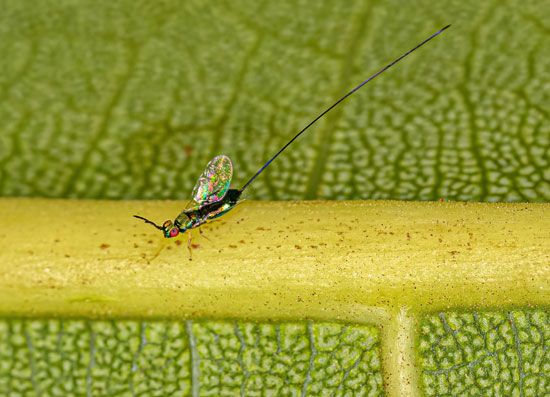
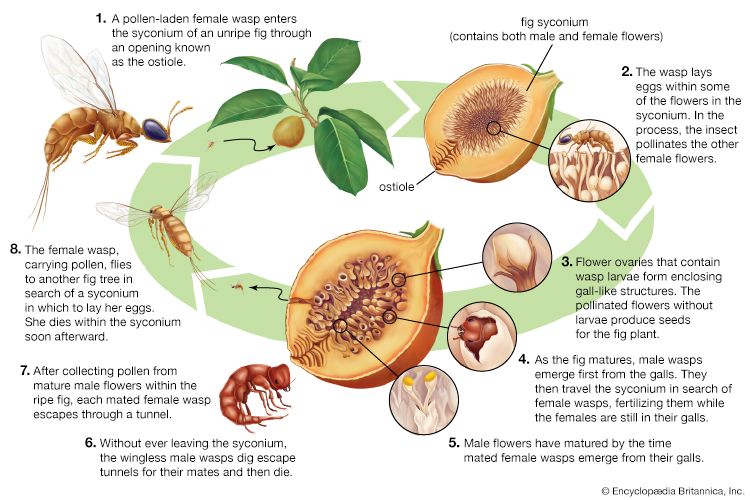
- Unique Pollination System: Each Ficus species maintains a specialized, coevolved relationship with a specific fig wasp. This obligate mutualism ensures the reproduction of both the trees and the wasps, supporting the stability of the forest community.23
- Habitat Provision: Many Ficus species, such as strangler figs, develop complex structures. Their hollow centers and intricate root systems offer essential shelter and breeding sites for various animals.4
The removal of Ficus from these environments would likely lead to a dramatic decline in animal populations, as these trees are fundamental to the survival of many forest-dwelling species.231
What are the main characteristics of plants in the Ficus genus?
The genus Ficus, belonging to the family Moraceae, comprises approximately 900 species of trees, shrubs, and vines primarily native to tropical regions. Their main characteristics include:1
- Physical Traits: Most species are evergreen with simple, waxy leaves that typically exude a white or yellow latex when damaged. Many possess aerial roots, and some are epiphytic.1
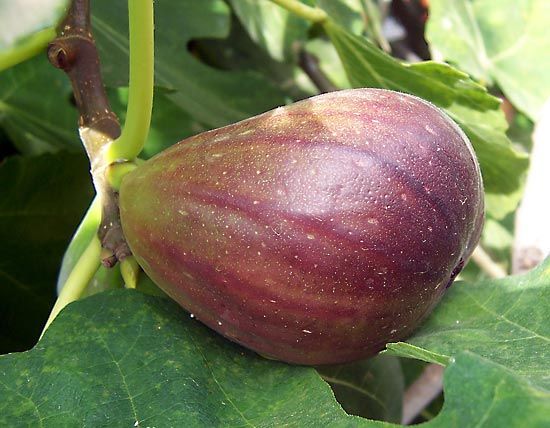
- Reproductive Structure: They feature a unique, hollow fruit structure called a syconium, which encloses an inflorescence of tiny male and female flowers.1
- Pollination: Ficus species engage in an obligate, species-specific pollination relationship with fig wasps. This coevolution is so profound that neither the tree nor the wasp can survive without the other.13
- Growth Patterns: The genus includes diverse forms, such as strangler figs—which germinate on host trees and eventually encase them in a root latticework—and banyans, which use enlarged aerial roots as auxiliary trunks1.2
What are the challenges in cultivating and maintaining Ficus plants as indoor or outdoor ornamentals?
Cultivating Ficus species as ornamentals presents specific challenges, as many popular varieties—such as the weeping fig and India rubber plant—are native to tropical environments and require careful management when kept indoors or in non-tropical climates.1
Key challenges include:
- Environmental Sensitivity: As tropical plants, many Ficus species are sensitive to fluctuations in light, temperature, and humidity. Indoor environments often lack the consistent conditions these plants require, which can lead to leaf drop or stunted growth.1
- Growth Habits: Some species, such as strangler figs, have aggressive growth patterns. When planted outdoors in appropriate climates, their extensive root systems can become invasive or damaging to nearby structures.1
- Maintenance: Larger species like the banyan develop massive crowns and aerial roots that may require significant space and pruning to manage, especially if the plant outgrows its container or designated garden area.1
While these plants are highly valued for their aesthetic appeal, their long-term health depends on mimicking their native tropical conditions as closely as possible.1
What are some of the most popular Ficus species used as houseplants?
Several species within the genus Ficus are widely cultivated as popular houseplants due to their aesthetic appeal and adaptability to indoor environments. Some of the most common include:
- India rubber plant (F. elastica): A classic choice known for its large, leathery leaves. The cultivar F. elastica ‘Decora’ is particularly well-known for its robust appearance.15
- Weeping fig (F. benjamina): Highly valued for its graceful, drooping habit and small, elegant leaves.15
- Fiddle-leaf fig (F. lyrata): Named for its large, violin-shaped leaves, this species serves as a striking indoor “tree” that adds a dramatic architectural element to interior spaces.156
- Climbing fig (F. pumila): A popular choice for those seeking a vining or trailing plant rather than a tree-like form.1
- Other varieties: Species such as F. retusa and F. nitida are also frequently kept indoors for their graceful growth habits.5
Most of these species require good light to maintain their foliage density and overall health when grown in homes or offices.5
Sources
- Ficus — Encyclopædia Britannica
- fig wasp — Encyclopædia Britannica
- strangler fig — Encyclopædia Britannica
- keystone species — Encyclopædia Britannica
- houseplant - Trees — Encyclopædia Britannica
- ficus — Merriam-Webster
- fiddle-leaf fig — Merriam-Webster
Published on · 3 min read