Linaceae
Linaceae, commonly known as the flax family, is a cosmopolitan group of plants within the order Malpighiales. The family comprises approximately 10 to 14…
What is Linaceae?
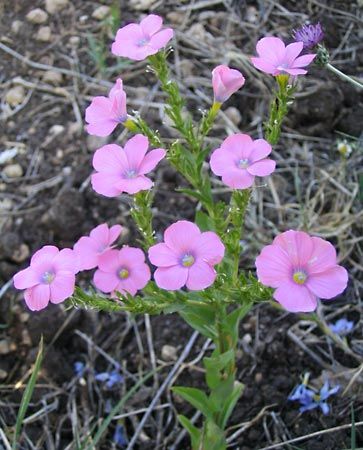
Linaceae, commonly known as the flax family, is a cosmopolitan group of plants within the order Malpighiales1. The family comprises approximately 10 to 14 genera and includes about 300 species of herbaceous plants, shrubs, trees, and occasionally lianas.12
The most economically significant member of the family is the genus Linum, which includes flax (Linum usitatissimum). Flax is widely cultivated for its fiber—used to produce linen—and for its seeds, which yield linseed oil. Other members of the family, such as Reinwardtia species, are often grown as ornamentals in greenhouses or warm climates for their large, vibrant flowers.213
While the family is distributed worldwide, it is most prevalent in north temperate and subtropical regions. Despite the familiarity of Linum, the broader evolutionary relationships and basic morphology of the Linaceae family remain subjects of ongoing botanical study.1
How is linen fiber extracted from the flax plant?
Linen fiber is extracted from the flax plant through a series of mechanical and biological operations. The process begins with harvesting the stalks, typically after the lower portion has turned yellow but before the fruit is fully mature.5
The primary steps in fiber extraction include:
- Retting: This is a fermentation process that uses moisture and microorganisms to dissolve the cellular tissues and gummy substances surrounding the bast-fiber bundles. Methods include dew retting (using moisture from the air) and water retting (submerging stalks in water or tanks).63
- Drying: Once retted, the stalks—now called straw—are dried in the open air or by mechanical means to prepare them for fiber removal.63
- Crushing and Beating: The dried straw undergoes a breaking process, either by hand or through rollers, to shatter the brittle woody portion of the stem. This is followed by scutching, where the broken woody pieces (shives) are removed by beating or scraping to isolate the usable fibers.63
Once separated, the fibers are processed, spun into yarn, and woven or knit into textiles.7
What are the nutritional benefits of consuming flaxseed?
Flaxseed is widely recognized as a nutrient-dense “superfood” due to its impressive profile of essential compounds. The seeds are particularly valued for their high concentration of dietary fibre and omega-3 fatty acids, specifically alpha-linolenic acid (ALA).8
Beyond these primary components, flaxseeds provide a variety of essential nutrients, including:
- Phytoestrogens: The seeds are rich in lignans, a class of plant-derived compounds.8
- Minerals: They serve as a good source of iron, calcium, manganese, magnesium, phosphorus, and copper.8
- Protein and Vitamins: They contain protein and thiamin.8
These seeds can be consumed raw or toasted, and they are easily incorporated into a diet by adding them to smoothies, cereals, salads, or baked goods. Additionally, linseed oil extracted from the seeds is used as a nutritional supplement because it contains the highest level of ALA found in any vegetable oil.8
Besides flax, what are some other plants found in the Linaceae family?
The Linaceae family, commonly known as the flax family, comprises approximately 14 genera and about 300 species of herbaceous plants, shrubs, trees, and lianas. While the genus Linum—which includes the well-known flax (Linum usitatissimum)—is the most prominent member, the family includes other notable plants:14
- Reinwardtia: This genus consists primarily of low shrubs often grown in greenhouses or outdoors in warmer climates.1
- Reinwardtia indica: Also known as the yellow flax, this species is particularly recognized for its large, vibrant yellow flowers that bloom in profusion during the late fall and early winter.1
The family is distributed worldwide, with a particularly strong presence in north temperate and subtropical regions.4
Sources
- Linaceae — Encyclopædia Britannica
- Linaceae — Merriam-Webster
- flax — Encyclopædia Britannica
- Malpighiales - Ungrouped families — Encyclopædia Britannica
- 11 Questions About Useful Plants Answered - Which plant is used to make linen? — Encyclopædia Britannica
- Linen — Encyclopædia Britannica
- retting — Encyclopædia Britannica
- flaxseed — Encyclopædia Britannica
Published on · 3 min read