Fleabane
Fleabane refers to any of the approximately 200 species of annual, biennial, and perennial herbs belonging to the genus Erigeron within the family Asteraceae…
What is Fleabane?
Fleabane refers to any of the approximately 200 species of annual, biennial, and perennial herbs belonging to the genus Erigeron within the family Asteraceae and the order Asterales. These plants are primarily native to temperate regions worldwide.1
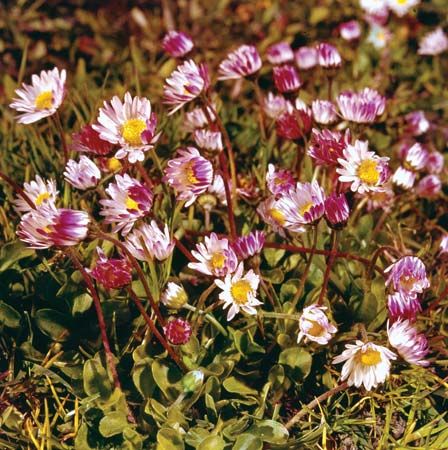
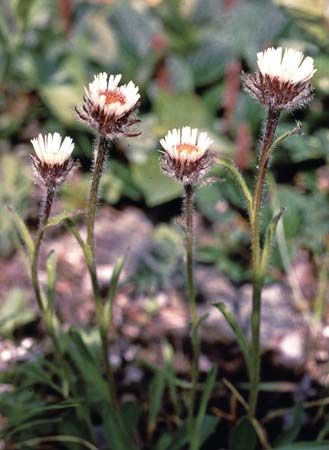
While they resemble members of the genus Aster, fleabanes are distinguished by having several rows of ray flowers and numerous overlapping bracts beneath their flower heads. The disk flowers are typically yellow, while the ray flowers can appear in shades of yellow, purple, pink, or white. Some species are cultivated as ornamentals in rock gardens or borders.12
The name “fleabane” is derived from the historical belief that these plants could repel fleas. The term combines “flea” with “bane,” an archaic word meaning a slayer or source of destruction. Historically, the plants were dried or scattered in homes to help control flea infestations.34
How did fleabane get its unusual name?
The name “fleabane” is a compound word derived from the insect “flea” and the archaic term “bane,” which historically meant a slayer, murderer, or source of destruction.31
The plant earned this moniker because it was once widely believed to possess the ability to repel or kill fleas. In earlier centuries, people would dry the plants and scatter them throughout their homes or hang them in bunches to help control flea infestations. While the modern definition of “bane” often refers to a general source of harm or ruin, its etymological roots in this context specifically highlight the plant’s traditional use as a natural deterrent against these pests.314
What are the main differences between fleabane and asters?
While fleabanes (Erigeron) and asters are both members of the Asteraceae family and share a similar appearance, they can be distinguished by specific botanical features:
- Ray Flowers: Fleabanes typically possess several rows of ray flowers, whereas true asters generally have a different arrangement.
- Involucral Bracts: A primary diagnostic difference lies in the bracts (leaflike structures) located beneath the flower heads. Fleabanes are characterized by having many overlapping bracts, while asters have fewer and narrower involucral bracts.
Both genera produce composite flower heads with yellow disk flowers, but these structural nuances in the bracts and ray flowers help botanists differentiate between the two groups in the field.18
Which species of fleabane are commonly grown in gardens?
Several species of the genus Erigeron are commonly cultivated as ornamentals in rock gardens or borders. These include:
- E. alpinus
- E. annuus
- E. aurantiacus
- E. karvinskianus
- E. speciosus
These plants are part of the Asteraceae family and are valued for their daisy-like flower heads, which feature yellow disk flowers surrounded by ray flowers that can appear in shades of purple, pink, white, or yellow.1
Sources
- Fleabane — Encyclopædia Britannica
- erigeron — Merriam-Webster
- fleabane — Merriam-Webster
- Plant Names That Sound Like Insults | Fleabane — Merriam-Webster
- Canada fleabane — Merriam-Webster
- banewort — Merriam-Webster
- bane — Merriam-Webster
- list of plants in the family Asteraceae — Encyclopædia Britannica
- daisy fleabane — Merriam-Webster
Published on · 2 min read