Fumitory
The term "fumitory" refers to the genus Fumaria, which comprises approximately 60 species of annual plants within the poppy family. These plants are native…
What are the different species of fumitory and how do they differ?
The term “fumitory” refers to the genus Fumaria, which comprises approximately 60 species of annual plants within the poppy family. These plants are native to Eurasia and Africa and have been introduced to other regions, including Australia and the Americas.1
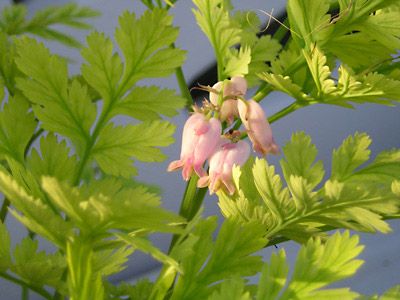
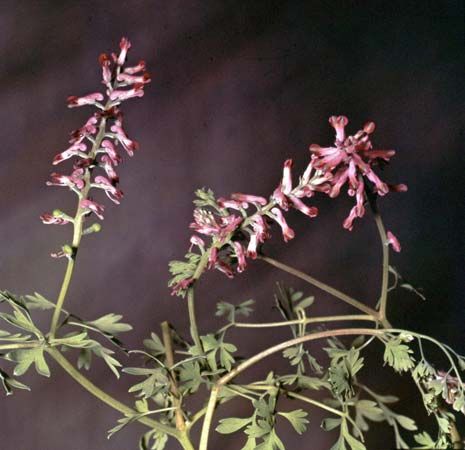
The most well-known species is the common, or drug, fumitory (Fumaria officinalis). It is an annual climbing plant that grows to about 90 cm (3 feet) in height, characterized by lacy leaves and spikelike sprays of tubular white or pinkish flowers.1
While often confused with other plants due to similar naming conventions, the “climbing fumitory” (Adlumia fungosa), also known as mountain fringe or Allegheny vine, is a distinct species. Unlike the annual Fumaria genus, it is a biennial that can reach heights of 3.5 meters (11.5 feet). It is the only species in its genus and is native to moist woodlands in North America and Asia, where it climbs by coiling its leafstalks around supports.1
How did fumitory get its name and what does it mean?
The name “fumitory” is derived from the Middle English fumeterre, which originates from the Anglo-French and Medieval Latin term fumus terrae.4
Literally translated, this phrase means “smoke of the earth,” combining the Latin words fumus (smoke) and terrae (earth). This evocative name is thought to describe the plant’s appearance, as its finely divided, greyish-green foliage can resemble a wisp of smoke rising from the ground. The term has been in use since at least the 14th century to describe members of the Fumaria genus, which are part of the poppy family.421
What is fumitory and what are its distinguishing characteristics?
Fumitory refers to the genus Fumaria, a group of approximately 60 species of annual plants belonging to the poppy family (Papaveraceae). These plants are native to Eurasia and Africa, though they have been introduced to Australia and the Americas.1
Distinguishing characteristics of the genus include:
- Flower Structure: Unlike many other members of the poppy family, Fumaria species feature bilaterally symmetrical flowers with two dissimilar pairs of petals.5
- Foliage: The leaves are typically finely divided or compound, often described as lacy in appearance.15
- Growth Habit: The common, or drug, fumitory (Fumaria officinalis) is an annual climbing plant that reaches about 90 cm (3 feet) in height, producing spikelike sprays of white or pinkish tubular flowers.1
- Related Species: The climbing fumitory (Adlumia fungosa) is a distinct, sprawling biennial that can reach 3.5 meters (11.5 feet) by coiling its leafstalks around supports.1
Historically, these plants have been utilized in herbal medicine and, in the case of F. officinalis, as a cosmetic.12
What are the traditional medicinal uses of fumitory?
Historically, several species within the Fumaria genus have been utilized in herbal medicine.1
Specifically, the common or drug fumitory (Fumaria officinalis) was once widely regarded for its medicinal properties. In addition to its applications in herbalism, the plant was also used in Great Britain as a cosmetic, where it was typically prepared by being boiled in water or milk.1
While these traditional uses are documented, it is important to note that the efficacy and safety of such historical remedies should be evaluated through modern scientific standards. We could dive deeper into the botanical classification of the poppy family or explore other plants historically used in traditional medicine. Would you like to explore more about these topics?
Sources
- fumitory — Encyclopædia Britannica
- fumaria — Merriam-Webster
- fennel — Encyclopædia Britannica
- fumitory — Merriam-Webster
- Papaveraceae — Encyclopædia Britannica
- fumewort — Merriam-Webster
Published on · 3 min read