Feverwort
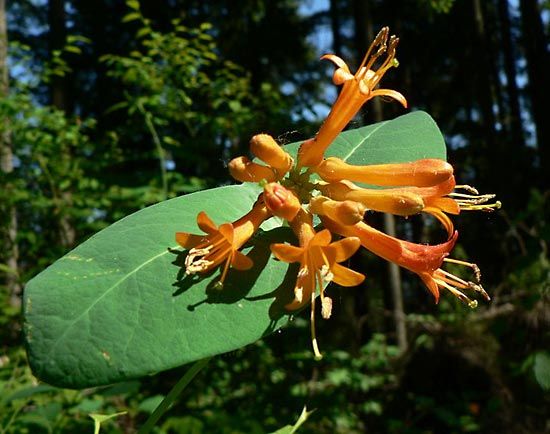
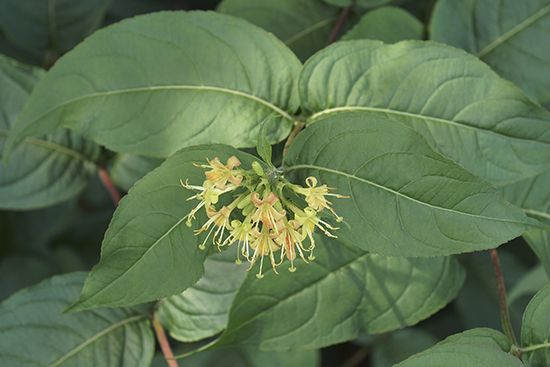
Feverwort refers to any of the four North American plant species within the genus Triosteum, which are coarse perennials in the Caprifoliaceae family. While…
What is Feverwort?
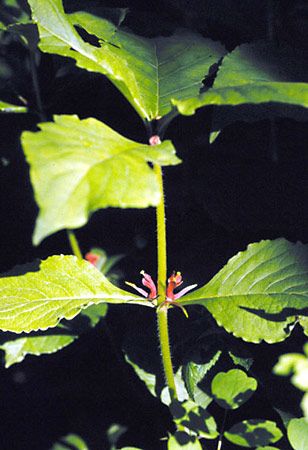
Feverwort refers to any of the four North American plant species within the genus Triosteum, which are coarse perennials in the Caprifoliaceae family. While some species are native to East Asia, the North American varieties are also known by names such as wild ipecac, horse gentian, tinker’s weed, and wild coffee, reflecting their historical medicinal applications.12
These plants typically grow over 1 meter (3 feet) tall and feature long, paired leaves, dull purplish or orange stalkless flowers, and vibrant red-orange or yellow-orange berries containing hard, oblong seeds. The genus name, Triosteum, is derived from the Greek for “three bones,” referring to the three bony nutlets found within the fruit. Specific North American species include T. perfoliatum, which is characterized by its clasping leaves, as well as T. aurantiacum, T. angustifolium, and T. illinoiense, which possess tapered leaves.13
What are other plants in the honeysuckle family?
The Caprifoliaceae family, commonly known as the honeysuckle family, comprises approximately 42 genera and 890 species of trees, shrubs, vines, and herbs. While the genus Lonicera (honeysuckles) is the largest and most well-known, the family includes a diverse array of other plants:
- Valerians: The genera Valeriana and Valerianella are notable for the rank odor of their stems and leaves when dried and are frequently used in traditional herbal medicine.
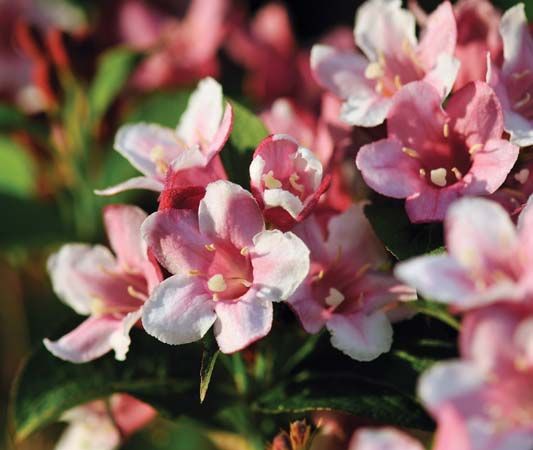
- Ornamental Shrubs: This group includes Symphoricarpos (snowberries), Abelia, and the beauty bush (Kolkwitzia amabilis), which is prized for its showy flowers.
- Pincushion Flowers and Teasels: The genus Scabiosa (pincushion flower) is closely related to the teasel (Dipsacus).
- Other Notable Genera: These include the bush honeysuckle (Diervilla) and the Himalaya honeysuckle (Leycesteria formosa).
These plants are generally characterized by their opposite leaves and bilaterally symmetric flowers.
How did early settlers use wild plants for medicine?
Early settlers and Indigenous peoples relied on ethnobotany—the study of how social groups use local plants—to address health needs. Knowledge of these remedies was often passed down through generations or recorded in herbals, which served as manuals for identifying medicinal flora.
Indigenous peoples utilized local plants with sophisticated pharmacological understanding. For example, they used the bark of the American black willow to brew tea for pain and inflammation, as it contains salicin, the precursor to aspirin. Other practices included using jimsonweed as a topical analgesic or anesthetic, and chili peppers to treat conditions ranging from colds and asthma to toothaches.8
European colonists also integrated local plants into their medical practices, often naming them after their perceived effects. For instance, feverwort (Triosteum) earned its name from its historical use as a medicinal treatment. By the 1800s, medicinal use of plants became more formalized, with substances like cannabis extracts appearing in the United States Pharmacopeia to treat various ailments.910
What are the differences between native and invasive plant species?
Native species are organisms that naturally occur in a specific ecosystem through evolutionary adaptation, whereas invasive species are nonnative organisms that disrupt the environments they colonize.12
The primary differences lie in their ecological impact and competitive behavior:
- Origin and Adaptation: Native species have evolved within their habitats, often maintaining a balance with other local organisms. Invasive species are introduced to new areas—frequently through human activity like global commerce—and often lack the natural predators or environmental constraints that would otherwise keep their populations in check.12
- Competitive Advantage: Invasive species often possess a competitive edge, allowing them to grow and disperse aggressively. They may monopolize essential resources such as food, water, and living space, often to the detriment of native species.1213
- Ecological Disruption: While native species contribute to the stability of their ecosystem, invasive species can significantly reduce biodiversity. They may drive native species toward localized extinction or act as vectors for diseases and parasites that further degrade the habitat.12
Sources
- Feverwort — Encyclopædia Britannica
- feverwort — Merriam-Webster
- Triosteum — Merriam-Webster
- Caprifoliaceae — Encyclopædia Britannica
- Honeysuckle — Encyclopædia Britannica
- Caprifoliaceae — Merriam-Webster
- hairy honeysuckle — Merriam-Webster
- herbal — Encyclopædia Britannica
- Ethnobotany — Encyclopædia Britannica
- 10 everyday items invented by Indigenous Americans - Pain relievers — Encyclopædia Britannica
- Recreational marijuana - Early history of cannabis in the United States — Encyclopædia Britannica
- invasive species — Encyclopædia Britannica
- invasive — Merriam-Webster
Published on · 3 min read