Flinders River
The Flinders River is the longest river in Queensland, Australia. It rises on the southwestern slopes of the Gregory Range and flows for 520 miles before…
What is Flinders River?
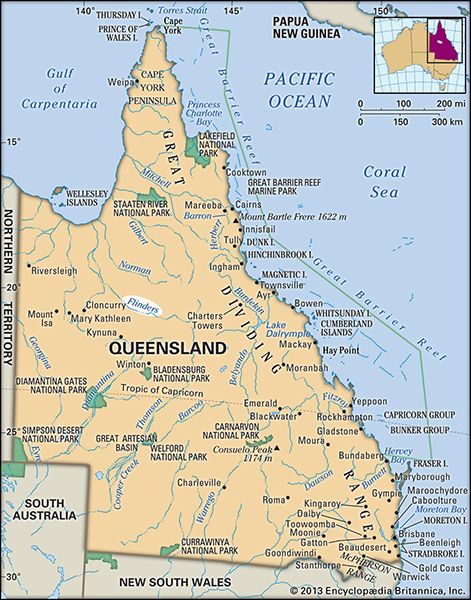
The Flinders River is the longest river in Queensland, Australia. It rises on the southwestern slopes of the Gregory Range and flows for 520 miles before entering the Gulf of Carpentaria through two mouths.1
Fed by the Saxby and Cloncurry rivers, the Flinders drains a basin of 41,600 square miles. While it is a significant waterway, only its lowest 70 miles are typically perennial. The river was named in honor of the English navigator Matthew Flinders by Captain John Stokes. Since its valley was first settled in 1864, the surrounding lands have been utilized primarily for raising cattle and sheep.1
Who was Matthew Flinders?
Matthew Flinders (1774–1814) was a distinguished English navigator and Royal Navy officer renowned for his extensive charting of the Australian coastline.
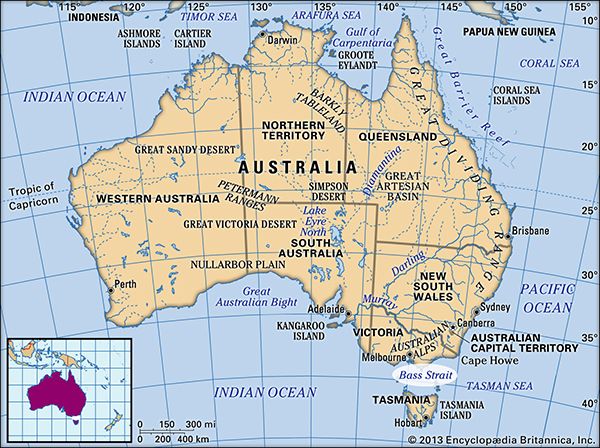
Beginning his career in 1789, Flinders traveled to Australia in 1795, where he explored the southeast coast and circumnavigated Tasmania. In 1801, commanding the Investigator, he surveyed the southern coast from Cape Leeuwin to the Bass Strait. By 1803, he had successfully circumnavigated the entire continent, charting the east coast and the Gulf of Carpentaria along the way.3
His later years were marked by hardship; while returning to England, he was interned by French authorities on Mauritius from 1803 to 1810. He published his findings in Voyage to Terra Australis shortly before his death. In 2019, his remains were discovered by archaeologists during excavations for a high-speed rail project in London.3
What is the Gulf of Carpentaria?
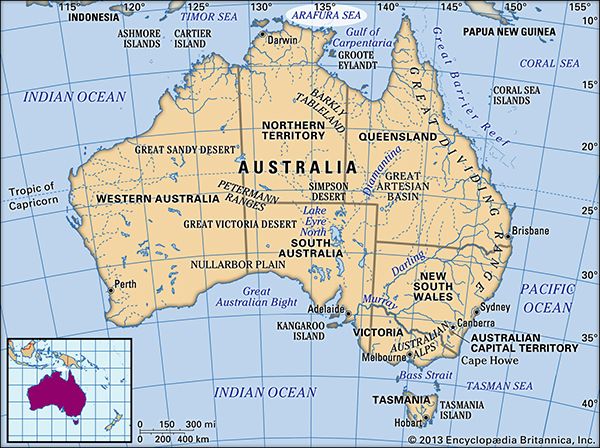
The Gulf of Carpentaria is a shallow, rectangular inlet of the Arafura Sea that indents the northern coast of Australia. Covering an area of 120,000 square miles, it is a rare modern example of an epicontinental sea—a shallow sea situated atop a continent.4
The gulf is enclosed by Arnhem Land to the west and the Cape York Peninsula to the east. Its floor consists of a shared continental shelf between Australia and New Guinea. More than 20 rivers, including the Flinders River, drain into the gulf, often forming extensive deltas.4
Historically neglected, the region gained international significance in the late 20th century due to the exploitation of bauxite, manganese, and prawn resources. The gulf was named after Pieter de Carpentier, a former governor-general of the Dutch East Indies.4
How does the climate affect Australian rivers?
The climate of Australia significantly influences its river systems, which are characterized by high variability in flow and susceptibility to extreme weather events.6
Rainfall and Flow Regimes
Australian rivers are heavily dependent on regional rainfall patterns. For example, coastal rivers in New South Wales are supplied by relatively high but variable rainfall. In contrast, interior rivers like the Darling River are fed by summer monsoonal rains, leading to dramatic fluctuations in flow rates. The Murray River, while also fed by winter rains, receives additional volume from spring snowmelt in the Snowy Mountains.67
Climate Oscillations
The El Niño-Southern Oscillation (ENSO) cycle is a primary driver of these variations.8
- El Niño: Associated with warmer, drier conditions in northern and eastern Australia, often leading to reduced river flow and increased drought risk.89
- La Niña: Typically brings cooler, wetter conditions, which can increase precipitation and river discharge.89
Drought and Water Management
Extended periods of rainless weather, such as the Millennium Drought (2001–2009), cause significant water imbalances, resulting in reduced streamflow and increased salinity issues. Because of this climatic volatility, large portions of river flow are captured by dams and weirs to support irrigation and human consumption.7106
Sources
- Flinders River — Encyclopædia Britannica
- list of rivers - Australia — Encyclopædia Britannica
- Matthew Flinders — Encyclopædia Britannica
- Gulf of Carpentaria — Encyclopædia Britannica
- Carpentaria, Gulf of — Merriam-Webster
- New South Wales - Drainage — Encyclopædia Britannica
- What Is the Difference Between El Niño and La Niña? — Encyclopædia Britannica
- Southern Oscillation: Top Questions — Encyclopædia Britannica
- Murray River — Encyclopædia Britannica
- river - Peak discharge and flooding — Encyclopædia Britannica
- Current and Historical Droughts Around the World — Encyclopædia Britannica
- river - Floodplains — Encyclopædia Britannica
Published on · 3 min read