Current and Historical Droughts Around the World
Drought is an extended period of rainless weather causing a significant water imbalance, where evaporation and transpiration exceed precipitation. It is…
What is Current and Historical Droughts Around the World?
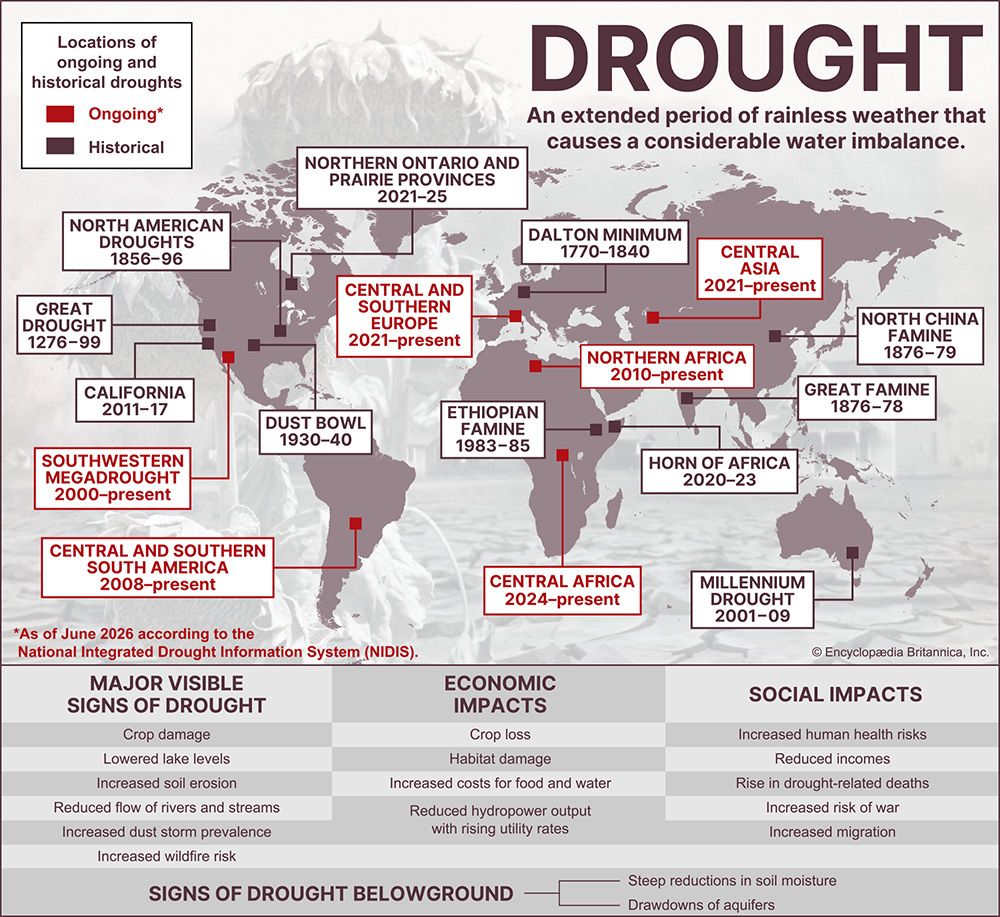
Drought is an extended period of rainless weather causing a significant water imbalance, where evaporation and transpiration exceed precipitation. It is categorized into four types: permanent, seasonal, unpredictable, and invisible.123
Historical Droughts
Major historical events include:
- North America: The Great Drought (1276–1299) and the Dust Bowl of the 1930s.1
- Africa: The Ethiopian famine (1983–1985).1
- Europe: The Dalton minimum (1770–1840).1
- Asia: The Great Famine in India (1876–1878) and the North China famine (1876–1879).1
- Australia: The Millennium Drought (2001–2009).1
Current Context and Impacts
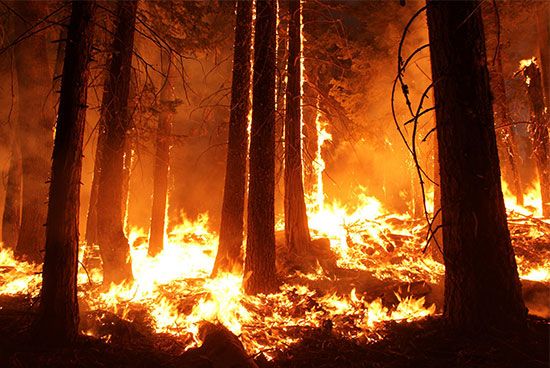
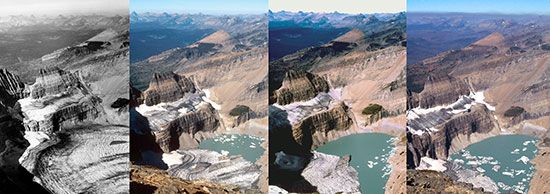
Droughts have severe social, economic, and environmental consequences, including crop loss, wildfire risk, and reduced hydropower output. Global warming, driven by human activity, is increasing the frequency and intensity of these events by altering precipitation patterns.145
How does cloud seeding work to combat drought?
Cloud seeding is a weather modification technique that involves introducing substances into clouds to act as condensation nuclei or ice nuclei, with the goal of inducing or increasing precipitation to help alleviate drought conditions.67
The Process
The method depends on the temperature and composition of the clouds:
- Supercooled Clouds: These clouds contain water droplets at temperatures below freezing. Seeding agents like silver iodide or dry ice are introduced to trigger the formation of ice crystals. As these crystals grow, they attract surrounding water droplets, eventually becoming heavy enough to fall as rain or snow.67
- Warm Clouds: In clouds above freezing, materials like sodium chloride or calcium chloride are used to encourage the formation of larger droplets that grow by coalescence and fall as rain.67
Effectiveness and Limitations
While some studies suggest that cloud seeding can increase precipitation by up to 20 percent under optimal conditions, its overall effectiveness remains a subject of scientific debate. The practice is limited to individual clouds or small groups, meaning it cannot significantly alter large-scale weather systems or provide a solution for widespread, severe drought. Furthermore, because precipitation is naturally variable, it is difficult to determine exactly how much rain would have fallen without intervention.68
What is the difference between an aquifer and a reservoir?
The primary difference between an aquifer and a reservoir lies in their location and the nature of their water storage.
Reservoirs
A reservoir is an open-air, surface-level storage area, typically created by constructing dams across rivers or by diverting water into natural or artificial depressions. These systems are designed to impound water during periods of high flow to prevent flooding and to provide a reliable supply during drier periods. Because they are exposed to the atmosphere, reservoirs are subject to significant water loss through evaporation and are prone to sedimentation, which can reduce their storage capacity over time.9
Aquifers
An aquifer is a subsurface geologic stratum or rock layer that contains and transmits groundwater through connected pore spaces. Unlike reservoirs, aquifers are located underground and are replenished through groundwater recharge, where precipitation infiltrates the soil. Because they are protected underground, they are generally less affected by short-term droughts and often provide water that is free of pathogenic organisms, though they remain vulnerable to chemical pollution and over-extraction, known as groundwater mining.101112
How do scientists use tree rings to study historical droughts?
Scientists use dendrochronology—the study of tree rings—to reconstruct historical drought patterns by analyzing the annual growth increments of trees.1314
How It Works
Trees growing in climate-sensitive environments produce annual growth rings that vary in width based on the moisture they receive. In years with sufficient precipitation, trees typically produce wider rings, while years of water stress result in narrower rings. By extracting core samples using an increment borer, researchers can measure these variations and correlate them across different trees to create long-term climatic chronologies.1513
Identifying Droughts
- Ring Width: Consistently narrow rings over a period of years serve as a primary indicator of prolonged drought.16
- False Rings: Drought during a growing season can cause a tree to temporarily slow growth, creating a “false ring” that mimics the appearance of an annual boundary. Scientists analyze these patterns to identify specific timing and intensity of moisture stress within a single season.14
- Cross-Dating: By matching ring patterns from living trees with those from dead wood or ancient structures, scientists can extend these records back thousands of years to identify major historical events, such as the Great Drought of the late 13th century.1516
Sources
- Current and Historical Droughts Around the World — Encyclopædia Britannica
- drought — Encyclopædia Britannica
- natural disaster - Frequency and disaster patterns — Encyclopædia Britannica
- Smothered in Drought — Encyclopædia Britannica
- What causes a drought? — Encyclopædia Britannica
- Cloud seeding — Encyclopædia Britannica
- weather modification - Cloud seeding — Encyclopædia Britannica
- weather modification - Precipitation modification — Encyclopædia Britannica
- reservoir — Encyclopædia Britannica
- aquifer — Encyclopædia Britannica
- groundwater — Encyclopædia Britannica
- water supply system - Groundwater sources — Encyclopædia Britannica
- dendrochronology — Encyclopædia Britannica
- geochronology - Tree-ring growth — Encyclopædia Britannica
- Climate change - Evidence for climate change — Encyclopædia Britannica
- Great Drought — Encyclopædia Britannica
- Tree - Growth ring formation — Encyclopædia Britannica
Published on · 3 min read