Fonio
Fonio refers to two cereal grass species in the genus Digitaria—black fonio (Digitaria iburua) and white fonio (D. exilis)—and their nutritious, edible…
What is Fonio?
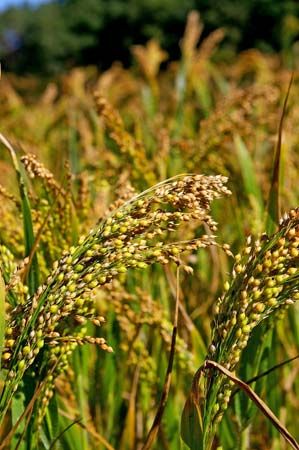
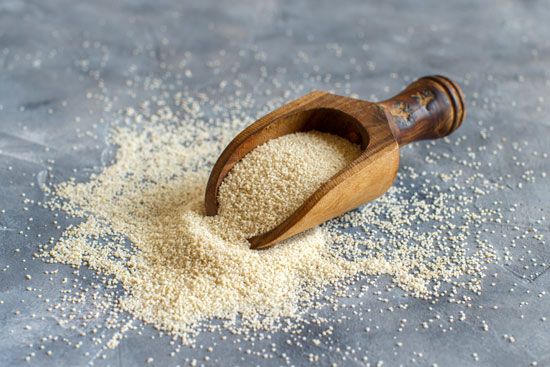
Fonio refers to two cereal grass species in the genus Digitaria—black fonio (Digitaria iburua) and white fonio (D. exilis)—and their nutritious, edible grains. Cultivated for thousands of years in western Africa, it is a hardy, drought-resistant crop that thrives in poor soil and is considered one of the fastest-maturing cereals in the world.12
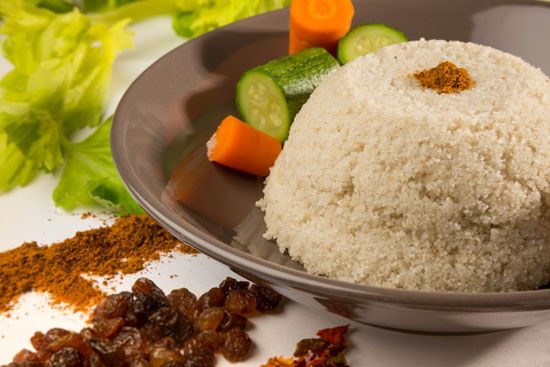
Nutritionally, fonio provides carbohydrates, protein, fat, and dietary fiber. It is rich in amino acids like methionine and cystine, and it contains essential minerals such as copper, magnesium, and zinc. Because it has a low gluten content and a low glycemic index, it is often recommended for those with celiac disease or diabetes. With a nutty flavor similar to couscous, it is used in various dishes, including porridge, salads, and breads.12
How does fonio compare to other ancient grains like quinoa or millet?
Fonio is often compared to other grains due to its nutritional profile and culinary versatility. While the provided search results do not offer a direct side-by-side nutritional comparison with quinoa, they highlight several key relationships between fonio and other cereals:
- Nutritional Parity: Fonio provides carbohydrates, protein, fat, and dietary fiber in proportions comparable to staples like rice, wheat, and maize.1
- Amino Acid Profile: Fonio is notably rich in the amino acids methionine and cystine. Specifically, the methionine content in white fonio is nearly double that found in egg protein.1
- Culinary Texture: Fonio is frequently likened to couscous and quinoa because of its nutty taste and similar texture.1
- Classification: Fonio is a member of the millet family, which is an umbrella term for various cereal crops grown in arid regions. Unlike some other millets, fonio is considered the least affected by major pests and diseases and is likely the fastest-maturing cereal in the world, often ready for harvest within six to eight weeks.1
Why is fonio considered a ‘future smart food’ in the context of climate change?
Fonio is increasingly recognized as a “future smart food” because its biological resilience makes it an ideal crop for a world facing the challenges of climate change. Its ability to thrive in poor soil and withstand harsh, arid, or semiarid weather conditions allows it to succeed where other, more sensitive crops might fail.12
Several key factors contribute to its status:
- Hardiness and Resilience: Fonio is a drought-resistant plant that is notably less affected by major pests and diseases than other millet species.2
- Rapid Maturation: As one of the fastest-maturing cereals globally, it can be harvested within six to eight weeks of planting. This rapid growth cycle is critical for maintaining food security in regions where environmental instability makes traditional, longer-season crops risky.2
- Economic and Nutritional Security: By providing a reliable, nutrient-dense alternative to staples like rice and wheat, fonio helps improve food security and creates more stable income opportunities for smallholder farmers.12
What are the traditional methods used by farmers to harvest and process fonio?
To prepare fonio for consumption, farmers employ traditional manual labor techniques to process the tiny, sandlike seeds. Because the grains are very small, the primary challenge is separating the edible portion from the outer husk.
The processing method involves two main steps:
- Threshing: Farmers first thresh the harvested fonio to loosen the grain from the stalks and husks.
- Pounding: The grain is then pounded, a labor-intensive process used to remove the chaff. Once the chaff is successfully removed, the remaining grain is ready to be cooked or ground into flour for baking.12
Beyond human consumption, the remaining straw and chaff are not wasted; they are frequently utilized as fodder for ruminant animals, while the straw may also be repurposed for brickmaking or burned as a source of heat and ash.2
Sources
- Fonio: Top Questions — Encyclopædia Britannica
- Fonio — Encyclopædia Britannica
Published on · 3 min read