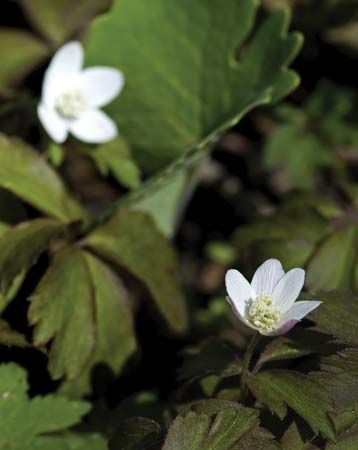
Forget-me-not
The term "forget-me-not" refers to any of several dozen species of plants belonging to the genus Myosotis within the family Boraginaceae. These plants are…
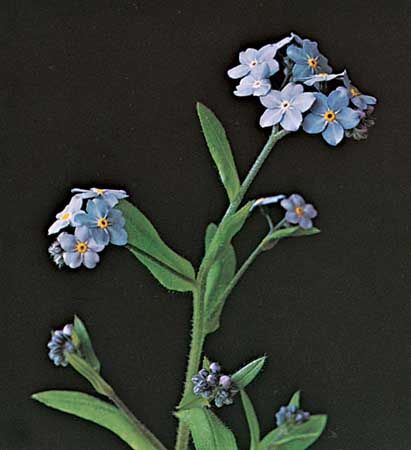
What is Forget-me-not?
The term “forget-me-not” refers to any of several dozen species of plants belonging to the genus Myosotis within the family Boraginaceae. These plants are native to temperate regions of Eurasia and North America, as well as the mountains of the Old World tropics.1
Many Myosotis species are popular garden plants prized for their clusters of flowers, which typically transition from pink to blue as they mature. Common varieties include the woods forget-me-not, a perennial that also appears in white and pink forms, and the water forget-me-not, which thrives in marshy environments. While the name is specifically associated with the Myosotis genus, it is sometimes used colloquially to describe other wildflowers that share a similar appearance.12
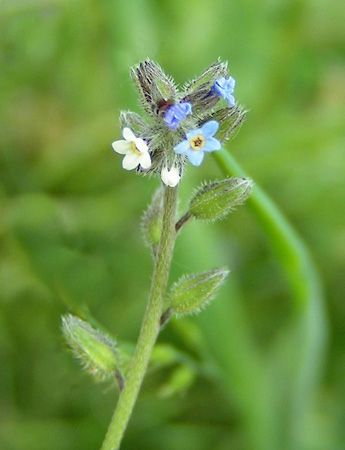
Why do forget-me-not flowers change color as they mature?
The color change in forget-me-not flowers from pink to blue as they mature is a common trait among species in the Myosotis genus, such as the woods forget-me-not. While the provided search results confirm that this transition occurs during the maturation of the tubular, five-lobed flowers, they do not specify the precise biochemical mechanism behind this shift.1
In the broader context of biological coloration, plants often utilize specific colors and patterns to facilitate pollination. Flowers frequently employ colors like blue and yellow to attract pollinators, such as bees, which are highly responsive to these hues and often rely on nectar guides to locate the center of the flower. It is possible that the color change serves as a signal to pollinators regarding the flower’s developmental stage, though the specific evolutionary advantage of this transition in Myosotis is not detailed in the available data.41
What is the cultural symbolism behind the name forget-me-not?
The cultural symbolism of the forget-me-not is deeply rooted in historical beliefs regarding memory and devotion. During the 15th century, it was widely believed that the delicate flowers of the Myosotis genus possessed specific powers over the human mind. It was thought that individuals who wore the flower would ensure they were not forgotten by their lovers, establishing the plant as a lasting emblem of remembrance and fidelity.2
While the name is now synonymous with these romantic associations, it is important to note that the term is sometimes applied colloquially to other wildflowers that share a similar appearance, such as the bluet, which may not carry the same historical folklore. The plant’s enduring popularity as a garden favorite continues to link its botanical identity to these themes of connection and memory.15
How does the Myosotis genus get its name from Greek words for mouse and ear?
The genus name Myosotis is derived from the Greek word myosōtis, which is a compound formed from two distinct Greek roots: myos and ōtis.3
- Myos: This is the genitive form of the Greek word mys, which translates to “mouse.”3
- Ōtis: This component is derived from ōt- or ous, the Greek word for “ear.”3
Together, these roots literally translate to “mouse ear,” a name likely inspired by the shape and texture of the plant’s small, rounded leaves. This etymology reflects a common practice in botanical naming, where the physical characteristics of a plant are used to describe its appearance.3
Sources
- Forget-me-not — Encyclopædia Britannica
- wild forget-me-not — Merriam-Webster
- myosotis — Merriam-Webster
- coloration - Interspecific signals — Encyclopædia Britannica
- 10 Flower Names and Their Histories | Forget-me-not — Merriam-Webster
- nemophila — Merriam-Webster
- myositis — Merriam-Webster
Published on · 2 min read