Four-eyed Opossum
Four-eyed opossums (genus Philander and the related Metachirus nudicaudatus) are omnivorous marsupials that play a functional role in their ecosystems as…
What role do four-eyed opossums play in their ecosystem?
Four-eyed opossums (genus Philander and the related Metachirus nudicaudatus) are omnivorous marsupials that play a functional role in their ecosystems as generalist consumers. By feeding on a wide variety of food sources—including fruits, insects, invertebrates, birds, reptiles, amphibians, small mammals, and carrion—they help regulate populations of small animals and insects while likely contributing to seed dispersal through their consumption of fruit.123
These animals are primarily terrestrial and nocturnal, inhabiting environments ranging from lowland tropical forests to various other habitats across Central and South America. As opportunistic feeders, they occupy a niche that bridges the gap between predator and scavenger, helping to cycle nutrients within their respective forest and scrubland environments.13
What are the unique physical characteristics of the four-eyed opossum?
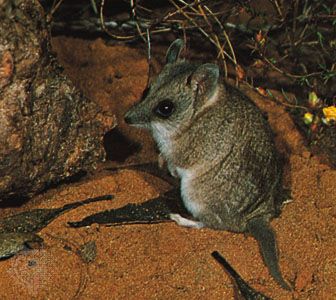
The four-eyed opossum derives its name from the distinctive white or cream-coloured spot located above each eye, which creates the appearance of having four eyes. While several species exist, they share a number of unique physical characteristics:214
- Size and Weight: Adults typically range from 40 to 80 cm (16 to 32 inches) in total length and can weigh up to 700 grams (1.5 pounds). The brown four-eyed opossum (Metachirus nudicaudatus) is generally smaller, averaging 57 cm (22 inches) and weighing up to 480 grams.24
- Tail Structure: The tail is consistently longer than the head and body combined. In the genus Philander, the tail is black over the basal half to two-thirds of its length and appears mostly naked, with body hair extending only onto the base. The brown four-eyed opossum features a tail that is brownish above, paler below, and white on the terminal third.24
- Fur and Coloration: Species vary in fur length and colour, ranging from pale gray to dark brown or black.24
- Reproductive Anatomy: Most species possess a well-developed pouch (marsupium). However, the brown four-eyed opossum is unique as the only large American marsupial that lacks a pouch entirely.24
How does the four-eyed opossum’s marsupial nature affect its reproductive cycle?
The reproductive cycle of the four-eyed opossum is fundamentally shaped by its status as a marsupial, characterized by a short period of intrauterine development followed by a period of external growth. Unlike placental mammals, the uterine wall in these animals is not specialized for embryo implantation, leading to a brief gestation period after which the underdeveloped young must migrate to the mother’s teats to continue their development.4
The two main groups of four-eyed opossums exhibit distinct reproductive strategies regarding this process:
- Genus Philander: These species possess a well-developed pouch (marsupium). Females have five to nine teats, and the pouch provides a protected environment for the young to attach and grow. The gray four-eyed opossum is known to produce at least two litters per year, with litter sizes typically ranging from two to seven young.2
- Brown Four-Eyed Opossum (Metachirus nudicaudatus): This species is unique among large American marsupials because it lacks a pouch entirely. Despite this, it remains highly reproductive, with females capable of breeding throughout the year and producing litters of up to nine young.5
Where is the four-eyed opossum native to, and what kind of habitat does it prefer?
Four-eyed opossums are native to a wide range across the Americas, spanning from Mexico through Central America and into South America, reaching as far south as Argentina, Bolivia, and Paraguay.234
Regarding their habitat, these marsupials are primarily terrestrial, though they are versatile in their nesting habits. They are known to inhabit lowland tropical forests, where they construct nests in trees, as well as under logs, rocks, and thick leaf litter. While they are mainly ground-dwelling, their ability to utilize both forest floors and elevated nesting sites allows them to thrive in these diverse tropical environments.24
Sources
- four-eyed opossum — Merriam-Webster
- four-eyed opossum — Encyclopædia Britannica
- opossum — Encyclopædia Britannica
- brown four-eyed opossum — Encyclopædia Britannica
- mammal - Estrus and other cycles — Encyclopædia Britannica
Published on · 3 min read