Invertebrate
The primary distinction between vertebrates and invertebrates is the presence of a vertebral column, or backbone, which is a defining feature of vertebrates…
How do invertebrates differ from vertebrates in terms of body structure and systems?
The primary distinction between vertebrates and invertebrates is the presence of a vertebral column, or backbone, which is a defining feature of vertebrates but absent in invertebrates.12
Structural Differences
- Skeleton: Vertebrates possess an internal skeleton made of specialized connective tissues, including bone. In contrast, invertebrates lack a bony internal skeleton; they may have a hydrostatic skeleton, a hard external exoskeleton, or internal structures composed of various nonbony substances.324
- Body Plan: Vertebrates are characterized by a distinct head, a brain, and a body divided into trunk and tail regions. Invertebrates exhibit vast diversity, spanning over 30 phyla with varied body plans, ranging from radially symmetrical forms to segmented bodies.125
Systemic Differences
- Nervous System: Vertebrates have a highly centralized nervous system featuring a well-developed brain and spinal cord5. While some higher invertebrates also have centralized systems, many lower invertebrates possess a diffuse, netlike nervous system without a brain.6
- Circulatory System: All vertebrates utilize a closed circulatory system where fluid is contained within an intricate network of vessels. Many invertebrates, however, rely on an open system where fluid passes more freely throughout their tissues.7
What are some of the major groups or phyla of invertebrate animals?
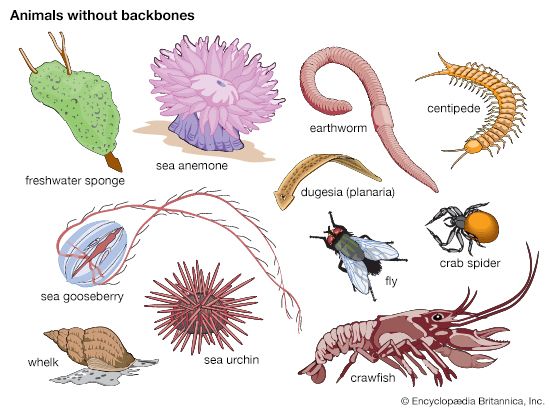
Invertebrates are an incredibly diverse group of animals, comprising more than 30 distinct phyla and accounting for over 90 percent of all living animal species. Because they lack a vertebral column, they exhibit a vast range of body plans and structural adaptations.8
Some of the major invertebrate phyla include:
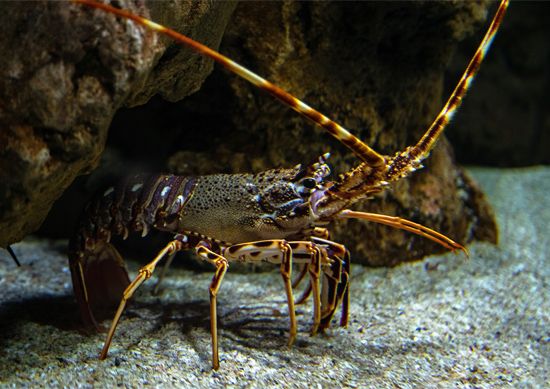
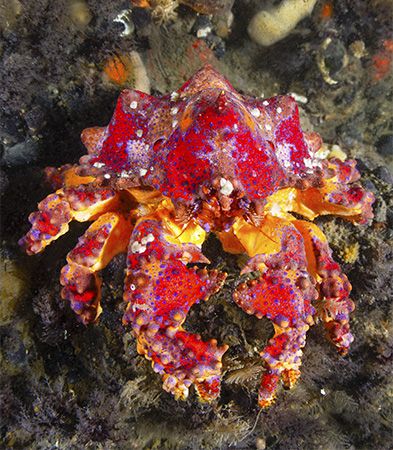
- Arthropoda: The largest phylum, including insects, spiders, crabs, and centipedes. They are characterized by a rigid, jointed exoskeleton and segmented bodies.29
- Mollusca: Includes snails, clams, and squid. Many possess a muscular foot for locomotion and a mantle that often secretes a protective shell.2
- Annelida: Segmented worms, such as earthworms, which typically feature paired appendages or setae for movement.2
- Cnidaria: Includes jellyfish and corals. They are known for their tentacles equipped with stinging cells used to paralyze prey.2
- Echinodermata: Marine animals like sea stars and sea urchins that utilize a unique water-vascular system for movement.28
- Porifera: Sponges, which are sessile, filter-feeding organisms with a simple cellular structure.2
- Nematoda: Roundworms, which are found in nearly every environment and possess a thick, complex cuticle.2
- Platyhelminthes: Flatworms, which are often characterized by a lack of a circulatory system and a simple body plan.2
What roles do invertebrates play in different ecosystems?
Invertebrates are essential to the health and function of ecosystems worldwide, performing critical services that support life across the planet.10
Ecological Roles of Invertebrates
- Decomposition and Nutrient Cycling: Invertebrates are vital to the breakdown of organic matter. In soil, organisms such as earthworms, millipedes, and various insect larvae fragment decaying plant and animal tissues. This process releases stored nutrients like carbon, nitrogen, and sulfur back into the environment in forms usable by plants. Earthworms, in particular, improve soil fertility, structure, and aeration by turning over soil and moving organic material through the earth.11
- Pollination: Many plants rely on invertebrates for pollination, a process critical for plant reproduction. Bees are the most significant group of pollinators, though flies, butterflies, moths, and beetles also play major roles in maintaining floral diversity.12102
- Food Web Foundations: Invertebrates serve as a primary food source for many birds, fish, and other vertebrates. In aquatic environments, planktonic crustaceans like krill graze on microscopic plants and are subsequently consumed by larger animals, including whales and seabirds.1013
- Predation and Population Control: Many invertebrates act as predators, helping to regulate the populations of other species. For example, crabs are important predators whose interactions with prey drive evolutionary adaptations in marine mollusks.1213
While some invertebrates are viewed as pests or parasites, their overall contribution to environmental rejuvenation and ecosystem stability is indispensable.1110
What percentage of known animal species are invertebrates?
Invertebrates, defined as animals that lack a vertebral column, make up more than 90 percent of all living animal species on Earth.14
While vertebrates—which include mammals, birds, reptiles, amphibians, and fish—comprise only about 75,000 known species, invertebrates represent a vast array of life forms distributed across more than 30 distinct phyla. This group includes highly diverse organisms such as insects, spiders, mollusks, jellyfish, and worms. Insects alone account for over half of all known animal species, highlighting the immense biodiversity found within the invertebrate category.214
Sources
- Vertebrate: Top Questions — Encyclopædia Britannica
- invertebrate — Encyclopædia Britannica
- Circulatory system — Encyclopædia Britannica
- skeleton — Encyclopædia Britannica
- nervous system — Encyclopædia Britannica
- evolution - Evolution and development — Encyclopædia Britannica
- skeleton - Comparative study of skeletal systems — Encyclopædia Britannica
- Animal - Annotated classification — Encyclopædia Britannica
- arthropod - Annotated classification — Encyclopædia Britannica
- insect - Role in nature — Encyclopædia Britannica
- soil organism — Encyclopædia Britannica
- angiosperm - Pollination — Encyclopædia Britannica
- crustacean - Ecology — Encyclopædia Britannica
- Are Insects Animals? — Encyclopædia Britannica
Published on · 3 min read