Omnivore
An omnivore is an animal with wide food preferences that consumes both plant and animal matter. Rather than having specialized digestive systems for fibrous…
What is omnivore?
An omnivore is an animal with wide food preferences that consumes both plant and animal matter. Rather than having specialized digestive systems for fibrous material, omnivores possess teeth and digestive tracts suited for a relatively concentrated diet.12
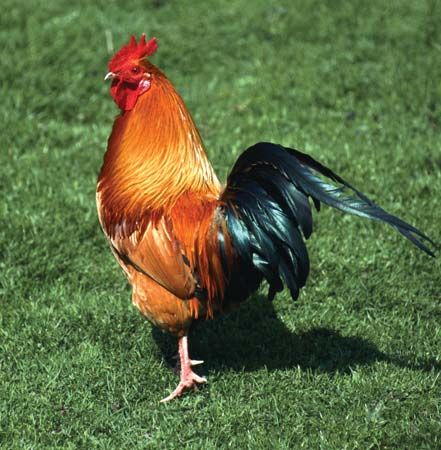
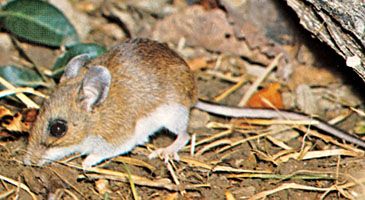
While many species are classified as omnivores—including chickens, pigs, bears, and rodents—the category is flexible. Many animals traditionally labeled as carnivores, such as the red fox or the snapping turtle, also incorporate plant matter into their diets. Humans are considered classic omnivores, historically evolving as hunter-gatherers with physical traits suited for both gathering vegetation and hunting game.321
Biologically, omnivores can digest meat, though they do not strictly require it unless it serves as the only practical source of vitamin B12. Some species supplement their nutritional needs through coprophagy, the consumption of fecal pellets to obtain vitamins synthesized by intestinal bacteria.2
How do teeth shapes differ between herbivores, carnivores, and omnivores?
The shapes of teeth in mammals are functional adaptations shaped by their specific diets. These differences allow animals to process food efficiently, whether it involves shearing meat or grinding tough plant matter.5
Carnivores
Carnivores possess teeth adapted for capturing, killing, and slicing prey. Their canines are typically long, large, and pointed to aid in stabbing. A defining feature for many is the presence of carnassials—specialized shearing teeth (usually the fourth upper premolar and first lower molar) that act like scissors to slice meat and cut tough sinews. Their premolars have sharply pointed cusps, and they generally lack the broad, flat surfaces required for extensive grinding.65
Herbivores
Herbivores require teeth capable of breaking down plant cell walls, which are encased in indigestible cellulose. To achieve this, they often have:5
- Incisors: Modified for nipping or gnawing.7
- Cheek Teeth: Premolars and molars are often large and flat with complex ridges and cusps to expand the grinding surface.75
- Diastema: Many herbivores have lost certain teeth, resulting in a gap in the tooth row.7
- Canines: These are frequently absent.5
Omnivores
Omnivores, such as humans, pigs, and bears, exhibit a dentition that is structurally and functionally intermediate between the extremes of carnivores and herbivores. They typically possess molars with low, rounded cusps, a condition known as bunodont. This versatile tooth shape allows them to both crush and grind a wide variety of plant and animal tissues.57
What are the benefits of having a flexible diet in the wild?
Having a flexible diet provides a significant survival advantage in the wild by reducing the risk of starvation. When an animal is capable of exploiting a broad range of food sources, it is unlikely that all types of food will become exhausted simultaneously, allowing the species to adapt to changing environmental conditions.4
The benefits of this dietary flexibility include:
- Resource Resilience: Animals that can shift between different food items—such as moving from insects to berries—are better equipped to handle seasonal fluctuations or the depletion of specific food sources.34
- Nutritional Adaptability: While many omnivores are physically adapted to a concentrated diet, their ability to consume both plant and animal matter allows them to meet their nutritional requirements even when preferred prey is scarce.13
- Behavioral Plasticity: Flexible feeders often utilize individual learning to assess the palatability and nutritional value of various objects in their environment. This allows them to adjust their feeding behavior based on their current hunger level and the availability of resources, often consuming items during periods of scarcity that they would otherwise ignore in times of plenty.9
Are there any plants that act as carnivores?
Yes, there are more than 600 species of carnivorous plants that have evolved to capture and digest prey. It is a common misconception that these plants “eat” insects for energy; like other plants, they are photosynthetic and produce their own sugars using sunlight. Instead, they use their prey as a vital source of nitrogen and other nutrients that are typically scarce in the poor soils where they grow, such as bogs and wetlands.1111
These plants utilize various ingenious trapping mechanisms, which are always modified leaves:
- Pitfall traps: Pitcher plants use hollow, lidded leaves filled with digestive fluids to collect prey.11
- Snap traps: The Venus flytrap uses rapid leaf movements to actively ensnare insects.1211
- Flypaper traps: Sundews and butterworts use sticky mucilage to trap insects.1211
- Bladder traps: Bladderworts use a partial vacuum to suck in small organisms.11
Sources
- omnivore — Encyclopædia Britannica
- omnivores — Merriam-Webster
- The Classic omnivore — Merriam-Webster
- nutrition - Omnivores — Encyclopædia Britannica
- mammal - Teeth — Encyclopædia Britannica
- carnivore - Form and function — Encyclopædia Britannica
- primate - Teeth — Encyclopædia Britannica
- human digestive system - The teeth — Encyclopædia Britannica
- Feeding behaviour - Types of food procurement — Encyclopædia Britannica
- Feeding behaviour - Responses to encountered food — Encyclopædia Britannica
- Do Carnivorous Plants Eat Their Prey? — Encyclopædia Britannica
- carnivorous plant — Encyclopædia Britannica
Published on · 3 min read