Foxglove
The genus Digitalis, commonly known as foxglove, comprises approximately 20 species of herbaceous plants within the family Plantaginaceae. While they share a…
What are the different species of foxglove, and how do they vary?
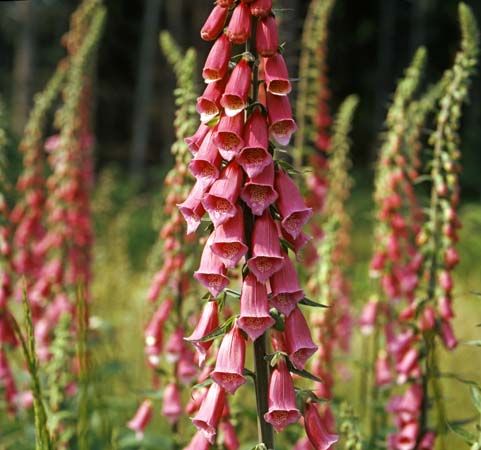
The genus Digitalis, commonly known as foxglove, comprises approximately 20 species of herbaceous plants within the family Plantaginaceae. While they share a characteristic structure of tall, one-sided clusters of bell-shaped flowers, they vary in their specific garden applications and chemical properties.1
Notable Species
- Common Foxglove (Digitalis purpurea): The most popular garden ornamental, known for its showy, spotted purple, white, or yellow flowers. It is a primary source of the heart-stimulating drug digitalis.12
- Grecian Foxglove (D. lanata): Cultivated commercially alongside the common foxglove for its medicinal properties.1
- Rusty Foxglove (D. ferruginea): A distinct garden species valued for its unique appearance.1
- Yellow Foxglove (D. grandiflora): Another common garden variety.1
- Straw or Small Yellow Foxglove (D. lutea): A smaller-flowered species.1
- Chocolate or Small-flowered Foxglove (D. parviflora): Notable for its smaller, distinctively colored blooms.1
It is important to note that all species contain toxic cardiac glycosides and are poisonous if ingested.1
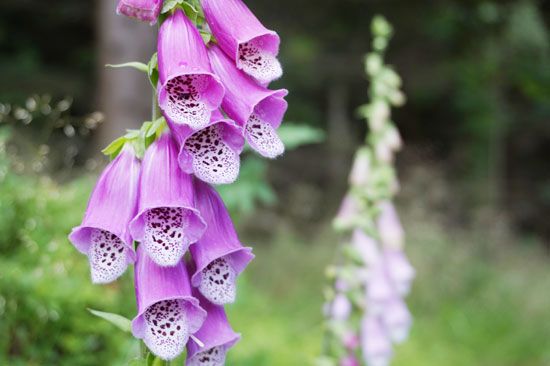
Are there any dangers or toxicity associated with foxglove?
All species of foxglove (Digitalis) are considered toxic if ingested because all parts of the plant contain poisonous cardiac glycosides. These compounds, while useful in controlled medical settings to strengthen heart muscle contractions, are highly dangerous in unregulated amounts.134
Symptoms of Toxicity
Ingestion of foxglove can lead to severe physiological distress. Documented symptoms of toxicity include:
- Loss of appetite, nausea, and vomiting35
- Diarrhea and abdominal pain35
- Fatigue, drowsiness, and headache5
- Slow pulse and irregular heartbeat54
- Breathing difficulties, convulsions, and unconsciousness54
- In severe cases, heart failure and death54
Because these plants are toxic, they must be handled with care, and any medicinal use is strictly limited to prescribed drugs—such as digoxin or digitoxin—which require careful clinical monitoring to prevent accumulation and adverse effects. It is essential to recognize that the line between a therapeutic dose and a lethal overdose is narrow, making the plant a significant safety hazard.34
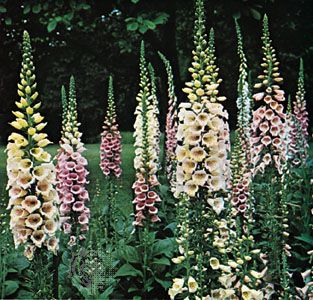
What are some common gardening techniques for growing and caring for foxgloves?
To grow and care for foxgloves, it is important to understand their life cycle and environmental needs. Most foxglove species are biennials, meaning they grow foliage during their first year and produce their signature tall, bell-shaped flower spikes in their second year before seeding and dying.1
Growing and Care Tips
- Propagation: Because they produce seeds freely, growing from seed is the most common and effective method of propagation. Seeds can be sown in open ground, but they require careful monitoring of moisture levels to ensure successful germination.6
- Soil and Medium: While they can grow in garden soil, using a porous medium—often containing sand or other fillers—is beneficial for seed germination to meet their high oxygen requirements.6
- Pest Management: Gardeners should be aware of the foxglove aphid, which can act as an economic pest for various cultivated plants.7
- Safety: Given that all parts of the plant are toxic if ingested, always wear gloves when handling them and ensure they are planted away from areas where children or pets might consume them.1
How long does it take for a foxglove plant to grow from seed to flowering?
Most foxglove species are biennials, which means they follow a two-year life cycle. During the first year, the plant focuses on vegetative growth, developing its foliage. It is not until the second year that the plant produces its characteristic tall, bell-shaped flower spikes. After the plant flowers and produces seeds in its second year, it typically dies.1
Sources
- Foxglove — Encyclopædia Britannica
- foxglove — Merriam-Webster
- digitalis — Encyclopædia Britannica
- poison - Plant poisons (phytotoxins) — Encyclopædia Britannica
- Agatha Christie’s Poisons - Digitalis — Encyclopædia Britannica
- foxglove aphid — Merriam-Webster
- Propagation — Encyclopædia Britannica
Published on · 3 min read