Mullein
Mullein refers to any of the approximately 360 species of herbs belonging to the genus Verbascum within the Scrophulariaceae family. These plants are…
What is Mullein?
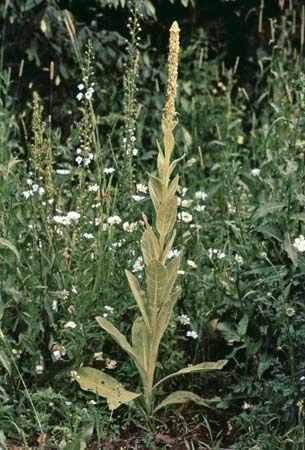
Mullein refers to any of the approximately 360 species of herbs belonging to the genus Verbascum within the Scrophulariaceae family. These plants are typically biennial or perennial and are native to northern temperate regions, particularly eastern Eurasia.12
The most well-known variety, the common mullein (Verbascum thapsus), is characterized by its tall, unbranched stem—reaching up to 2 meters—and large, densely velvety leaves. While often considered a troublesome weed in pastures or disturbed areas, these plants are sometimes cultivated in gardens for their terminal spikes of flowers, which can range in color from pale yellow to white, blue, purple, and red.13
What is the difference between a biennial and a perennial plant?
The primary difference between a biennial and a perennial plant lies in the duration of their life cycles.
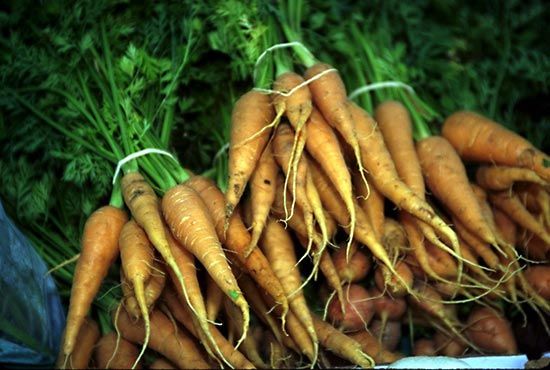
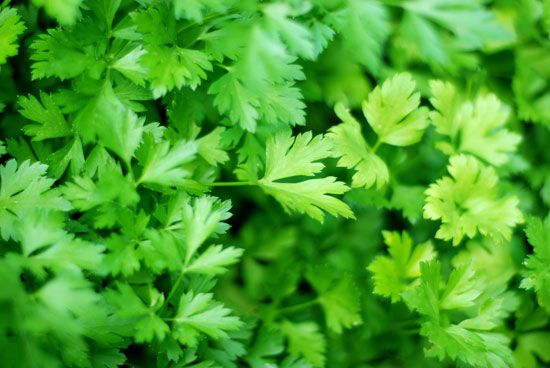
- Biennial Plants: These are herbaceous flowering plants that complete their entire life cycle over two growing seasons. During the first season, the plant focuses on vegetative growth, producing roots, stems, and leaves. In the second season, it produces flowers, fruits, and seeds before dying. Common examples include carrots, parsley, and dill.45
- Perennial Plants: These plants persist for several years, often flowering annually. While their aboveground portions may die back in cold climates, the plant survives through underground structures like bulbs, rhizomes, or tubers, allowing new growth to emerge in subsequent seasons. This category includes all trees and shrubs, as well as many herbaceous plants like chrysanthemums and asparagus.65
How did mullein become naturalized in North America?
Mullein species, which are native to Eurasia, were introduced to North America and have since become naturalized across the continent. While specific historical accounts detailing the exact method of their arrival are not provided in the search results, these plants—such as the common mullein, white mullein, and moth mullein—are now widely established as weeds in disturbed areas, pastures, and along roadsides. Their ability to thrive in these environments has allowed them to spread successfully throughout the region.1893
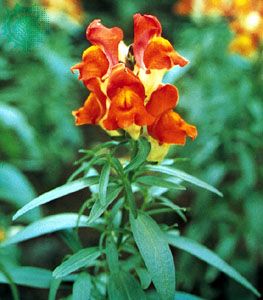
What are some other plants in the snapdragon family?
It is important to clarify that while snapdragons were traditionally associated with the family Scrophulariaceae, modern botanical classification—specifically by the Angiosperm Phylogeny Group—has reclassified them into the family Plantaginaceae. Many plants formerly known as “scrophs” were moved to this family following molecular studies that revealed their true evolutionary relationships.10
The family Plantaginaceae is diverse and includes approximately 90 genera. Some notable plants within this family include:
- Speedwells: Belonging to the genus Veronica, this is the largest genus in the family, containing about 450 species.10
- Penstemon: A large genus comprising about 270 species of herbs known for their showy flowers.10
- Plantains: These are small annuals with simple basal leaves, distinct from unrelated plants like plantain bananas.10
- Toadflax: The genus Linaria includes nearly 200 species characterized by attractive two-lipped flowers.10
- Foxglove: The genus Digitalis is well-known for its flower spikes and its role as a source of important heart medications.10
- Other Genera: The family also includes Angelonia, Bacopa, Russelia, and various aquatic genera such as Hippuris.10
Sources
- Mullein — Encyclopædia Britannica
- great mullein — Merriam-Webster
- mullein — Merriam-Webster
- Perennial — Encyclopædia Britannica
- Biennial — Encyclopædia Britannica
- Angiosperm - General features — Encyclopædia Britannica
- horticulture - Environmental control — Encyclopædia Britannica
- white mullein — Merriam-Webster
- moth mullein — Merriam-Webster
- Snapdragon — Encyclopædia Britannica
- Scrophulariaceae — Merriam-Webster
- Plantaginaceae — Encyclopædia Britannica
- snapdragon — Merriam-Webster
Published on · 2 min read