Plantaginaceae
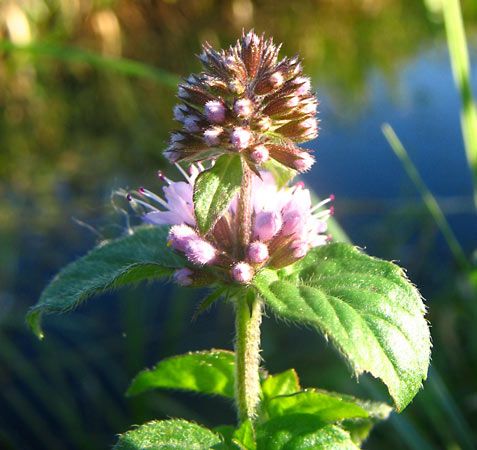
Plantaginaceae, commonly known as the plantain family, is a diverse group of entirely herbaceous plants within the order Lamiales. Following modern…
What is Plantaginaceae?
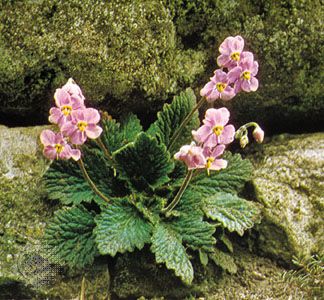
Plantaginaceae, commonly known as the plantain family, is a diverse group of entirely herbaceous plants within the order Lamiales. Following modern classification based on common ancestry, the family has expanded significantly to include many genera formerly categorized as “scrophs” (from the Scrophulariaceae family).1
The family now comprises approximately 90 genera and 1,900 species, including well-known plants such as:
- Antirrhinum (snapdragon)
- Veronica (speedwell)
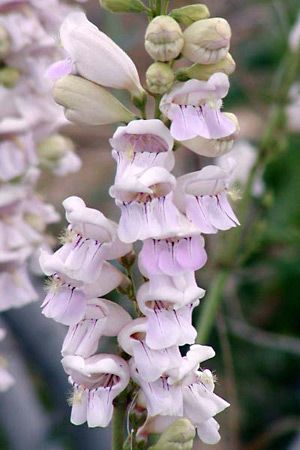
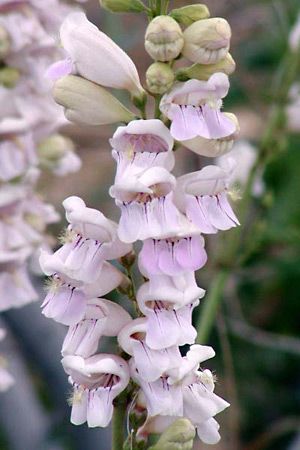
- Penstemon (beardtongue)
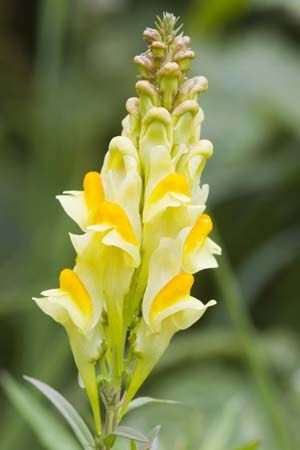
- Linaria (toadflax)
- Digitalis (foxglove)
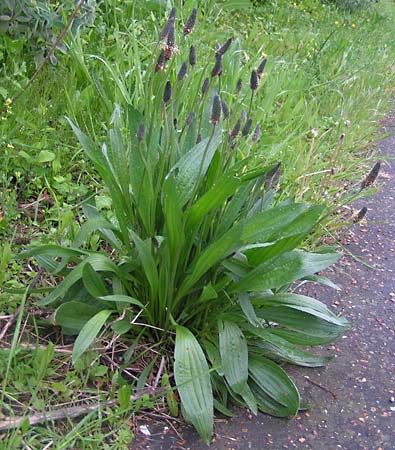
- Plantago (plantain)
These plants exhibit significant variety in floral form. Notably, Digitalis species are the source of digoxin and digitoxin, medications essential for treating irregular heart rhythms. While traditional morphological definitions once focused on specific flower structures, the current circumscription relies on molecular studies to better reflect evolutionary relationships.1
How are foxgloves used in modern medicine?
Digitalis, a drug derived from the dried leaves of the foxglove (Digitalis purpurea), is used in modern medicine as a potent cardiac glycoside to strengthen heart muscle contractions.45
Its primary therapeutic applications include:
- Congestive Heart Failure: It helps restore adequate circulation by increasing the contractile power of the heart, allowing a weakened heart to meet the body’s demands.4
- Arrhythmia Management: It is used to slow the rate of ventricular contraction in patients suffering from atrial fibrillation or flutter.4
The most commonly prescribed forms are digoxin and digitoxin. Because these drugs have long plasma half-lives and a narrow margin of safety, they can accumulate in the body, leading to toxicity. Consequently, treatment requires careful medical monitoring to avoid adverse effects such as nausea, vomiting, and dangerous heart rhythm disturbances.45
What is the difference between herbaceous plants and woody shrubs?
The primary difference between herbaceous plants and woody shrubs lies in their stem structure and longevity.
Herbaceous Plants
Herbaceous plants are vascular plants that lack true woody tissues. They typically possess soft, flexible green stems and often die back to the ground at the end of the growing season, persisting through underground storage organs like rhizomes, bulbs, or corms. Because they generally lack a vascular cambium, they undergo little to no secondary growth, meaning they do not form bark or accumulate layers of wood6.678
Woody Shrubs
In contrast, woody plants like shrubs have durable shoots that survive for multiple years. A shrub is defined as a woody plant with several stems and no single dominant trunk, usually reaching less than 3 meters (10 feet) in height. Their stems develop an outer layer of protective cork (bark) and a thick cylinder of xylem (wood) produced by the vascular cambium, which allows them to increase in diameter and structural strength over time.978
While these categories are distinct, some plants are considered “semiwoody” if they exhibit enough secondary growth to blur the classification, such as lavender the classification, such as lavender.6
Why do scientists reorganize plant families based on DNA?
Scientists reorganize plant families based on DNA to create phylogenetic classification systems that accurately reflect evolutionary relationships.
Historically, biological classifications were often “artificial” or based on overall physical similarities, which can be misleading due to analogies—similarities that arise from shared environmental pressures rather than common ancestry. By comparing the sequences of units within DNA molecules, researchers can objectively measure the degree of divergence between species since they evolved from a common ancestor.1112
This molecular approach provides a more precise tool for determining phylogeny than traditional morphology alone. Because closely related plants share more similarities in their DNA than unrelated ones, these sequences serve as a reliable “blueprint” for understanding genetic function and evolutionary history. Modern systems, such as the Angiosperm Phylogeny Group IV (APG IV), incorporate this vast body of comparative molecular data to refine how plants are grouped, ensuring that classifications are based on descent from a common ancestor rather than superficial traits.13141512
Sources
- Lamiales - Plantaginaceae — Encyclopædia Britannica
- Plantaginaceae — Merriam-Webster
- Caryophyllales - Other families — Encyclopædia Britannica
- digitalis — Encyclopædia Britannica
- cardiovascular drug - Contractions — Encyclopædia Britannica
- herbaceous plant — Encyclopædia Britannica
- plant - Stems — Encyclopædia Britannica
- shrub — Encyclopædia Britannica
- orchid - Growth forms — Encyclopædia Britannica
- plant - Classification of angiosperms — Encyclopædia Britannica
- phylogeny - Evidence for specific phylogenies — Encyclopædia Britannica
- botany - Taxonomic aspects — Encyclopædia Britannica
- angiosperm — Encyclopædia Britannica
- Morphology - Morphological basis of classification — Encyclopædia Britannica
- Morphology — Encyclopædia Britannica
- plant - Critical appraisal — Encyclopædia Britannica
- DNA sequencing — Encyclopædia Britannica
Published on · 3 min read