Freshwater Snail
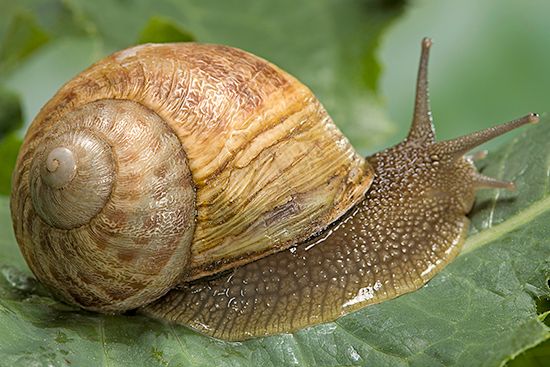
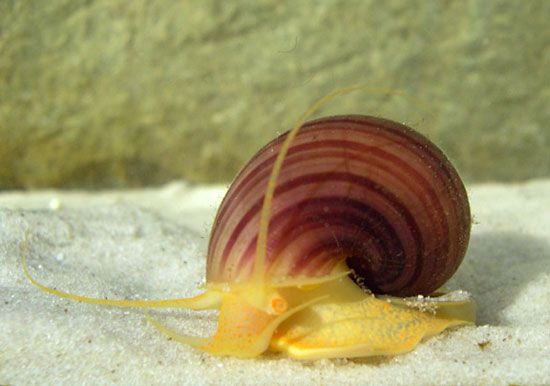
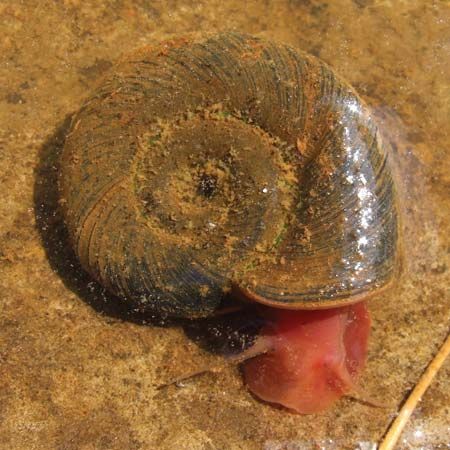
A freshwater snail is any of the approximately 5,000 gastropod species that inhabit lakes, ponds, rivers, and streams. Most belong to the subclass Pulmonata…
What is freshwater snail?
A freshwater snail is any of the approximately 5,000 gastropod species that inhabit lakes, ponds, rivers, and streams. Most belong to the subclass Pulmonata, though some are members of the subclass Prosobranchia.12
These snails are common in various aquatic environments, where they typically feed on algae or decaying plant matter. Because they lack the marine veliger stage, their dispersal is often limited to individual movement or accidental transport by birds and other vertebrates. Many freshwater pulmonates are hermaphrodites, allowing them to establish populations in new bodies of water relatively quickly.23
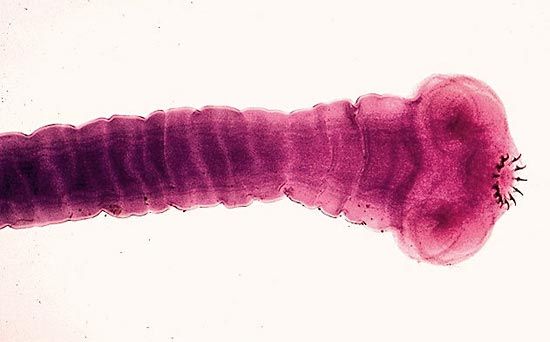
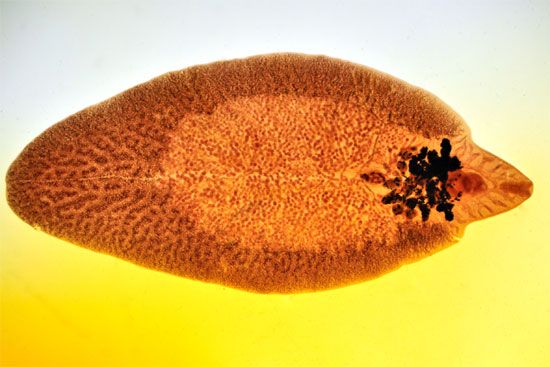
While some species are used to keep aquariums clean, others can pose health risks. Certain freshwater snails serve as intermediate hosts for parasitic flatworms (trematodes) that cause diseases such as schistosomiasis in humans and other animals. Additionally, some populations can become a nuisance by clogging water filtration systems.14
How do freshwater snails move between isolated bodies of water?
Freshwater snails move between isolated bodies of water primarily through passive transport rather than active migration. Because they lack a free-swimming larval stage, their dispersal is limited to the following methods:
- Animal Transport: Snails frequently adhere to the feet or feathers of wading birds via mucus secretions, allowing them to be carried to new ponds or lakes.12
- Environmental Factors: They can be dispersed by wind-blown leaves or during flood events, which may wash them into new water systems.1
- Individual Movement: In some cases, snails may colonize new areas through their own movement, though this is generally restricted to connected drainage systems.2
The ability to colonize new habitats varies by group. Many freshwater pulmonates are hermaphrodites capable of self-fertilization, which allows a single individual to establish a new population quickly. In contrast, prosobranchs often require both a male and a female—or a pregnant female—to arrive at a new location simultaneously to successfully reproduce, making their dispersal into isolated, unconnected bodies of water much less frequent.2
What are the differences between pulmonate and prosobranch snails?
The primary differences between pulmonate and prosobranch snails involve their respiratory systems, reproductive strategies, and physical anatomy.
Respiratory Systems
- Pulmonates: These snails have lost their ancestral gills. Instead, they breathe using a “lung,” which is a highly vascularized, saclike modification of the mantle cavity that also serves as a water reservoir.56
- Prosobranchs: These snails typically rely on gills (ctenidia) for respiration. Water currents are created by gill cilia to move oxygenated water over the sensory organs and gills.7
Reproductive Strategies
- Pulmonates: Nearly all pulmonate species are hermaphrodites, meaning each individual possesses both male and female reproductive organs.58
- Prosobranchs: These snails are generally more primitive in their reproductive evolution. While some have developed internal fertilization, many primitive species release gametes directly into the water for external fertilization, which results in a free-swimming veliger larval stage.8
Anatomical Features
- Operculum: A defining feature of many prosobranchs is the operculum, a calcified or horny disk on the rear of the foot that seals the shell aperture to protect the snail from predation and desiccation. Pulmonates lack an operculum.6
- Symmetry: Pulmonates are anatomically advanced, being detorted as adults, which results in bilateral symmetry and an unlooped nerve cord.5
Why are some freshwater snails considered harmful to human health?
Freshwater snails are considered harmful to human health primarily because they serve as essential intermediate hosts for various parasitic flatworms, known as trematodes, which cause serious diseases in humans and other mammals.19
The most significant health risk associated with these snails is schistosomiasis, a chronic condition caused by blood flukes. Humans typically contract this infection by working, bathing, or swimming in water containing snails that release the parasite’s larvae, known as cercariae. These larvae penetrate human skin and enter the bloodstream, eventually causing inflammation and damage to organs such as the liver, intestines, and bladder9.49
Additionally, freshwater snails play a role in the transmission of other parasites:
- Swimmer’s itch: Caused by bird schistosomes that attempt to penetrate human skin; although they cannot complete their life cycle in humans, their decomposition in the skin causes local infection and itching.9
- Paragonimiasis: While humans acquire this lung infection by eating undercooked crabs or crayfish, the parasite must first develop within a freshwater snail host before infecting those crustaceans.10
Sources
- freshwater snail — Encyclopædia Britannica
- gastropod - Ecology and habitats — Encyclopædia Britannica
- gastropod - Distribution and abundance — Encyclopædia Britannica
- gastropod - Importance to humans — Encyclopædia Britannica
- pulmonate — Encyclopædia Britannica
- gastropod - Evolution and paleontology — Encyclopædia Britannica
- gastropod - Size range and diversity of structure — Encyclopædia Britannica
- gastropod - Reproduction and life cycles — Encyclopædia Britannica
- schistosomiasis — Encyclopædia Britannica
- paragonimiasis — Encyclopædia Britannica
Published on · 3 min read