Fringe-lipped Bat
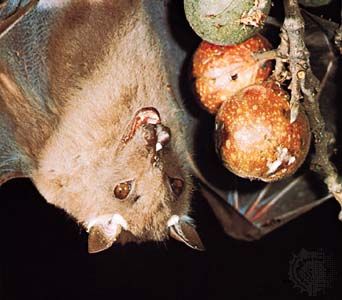
The fringe-lipped bat (Trachops cirrhosus) is considered a medium-sized species, reaching a maximum length of approximately 10 cm (4 inches) and a weight of…
How large are fringe-lipped bats compared to other bat species?
The fringe-lipped bat (Trachops cirrhosus) is considered a medium-sized species, reaching a maximum length of approximately 10 cm (4 inches) and a weight of up to 45 grams (1.6 ounces).1
When compared to the broader diversity of bats, this size places them in the middle range of the order. They are significantly larger than the hog-nosed, or bumblebee, bat, which is one of the smallest mammals, weighing only about 2 grams. Conversely, they are much smaller than the largest Megachiroptera, such as flying foxes, which can weigh up to 1 kg.2
The fringe-lipped bat is comparable in weight to some of the larger members of the genus Myotis, such as the little brown bat, which also reaches weights of up to 45 grams. However, it is smaller than the largest carnivorous bats, such as the spectral bat, which boasts a wingspan exceeding 60 cm.32
What is known about the reproduction and life cycle of fringe-lipped bats?
The provided search results do not contain specific information regarding the reproduction and life cycle of the fringe-lipped bat (Trachops cirrhosus).
While general information exists regarding the reproductive cycles of various bat species—such as the common pattern of delayed fertilization following hibernation or the unique developmental processes in vespertilionid bats—these details are not explicitly attributed to the fringe-lipped bat in the available data. The fringe-lipped bat is primarily noted for its specialized diet, sensory adaptations for hunting, and its classification within the leaf-nosed bat family.14
What is the primary diet of the fringe-lipped bat, and how does it catch its food?
The fringe-lipped bat (Trachops cirrhosus) is a specialized predator with a diverse diet. While it is best known for its ability to hunt frogs, it also consumes significant quantities of insects and small vertebrates, such as lizards.1
Hunting Strategy
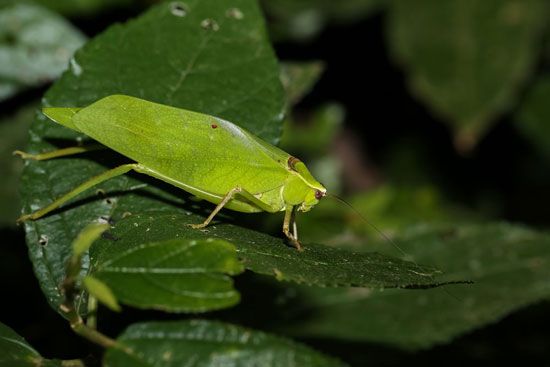
To locate prey, these bats fly continuously in circles over ponds or along ravines, using their acute hearing to detect the mating calls of male frogs and katydids. The species exhibits remarkable sensory discrimination, as it can distinguish between the calls of poisonous and nonpoisonous frogs.1
Once a target is identified, the bat employs a specific capture technique:
- Ensnarement: The bat approaches the prey and covers the area with its wings and tail membrane.1
- Search and Immobilization: While under the cover of its wings, the bat uses its head to locate the prey and then immobilizes it with a bite.1
- Consumption: The bat carries the captured prey in its mouth to a designated feeding perch to consume it.1
It is also believed that the fleshy tubercles on the bat’s chin assist in detecting chemicals present on the skin of its prey.1
How do fringe-lipped bats communicate with each other?
The provided search results do not contain specific information regarding how fringe-lipped bats (Trachops cirrhosus) communicate with one another.
While it is known that these bats utilize echolocation for navigation and possess the ability to detect the species-specific mating calls of frogs to locate prey, the available data does not detail their intraspecific communication methods or social signaling.15
Sources
- fringe-lipped bat — Encyclopædia Britannica
- bat - General features — Encyclopædia Britannica
- brown bat — Encyclopædia Britannica
- Dormancy - Reproductive cycles — Encyclopædia Britannica
- List of bats — Encyclopædia Britannica
Published on · 2 min read